Curtains play a vital role in home decor, providing privacy, light control, and insulation. Over time, they accumulate dust, allergens, and stains, which can affect both their appearance and indoor air quality. This comprehensive guide covers everything you need to know about cleaning different curtain fabrics, from blackout and sheer to velvet and acoustic curtains. Follow these expert tips to keep your curtains looking fresh and functioning perfectly.
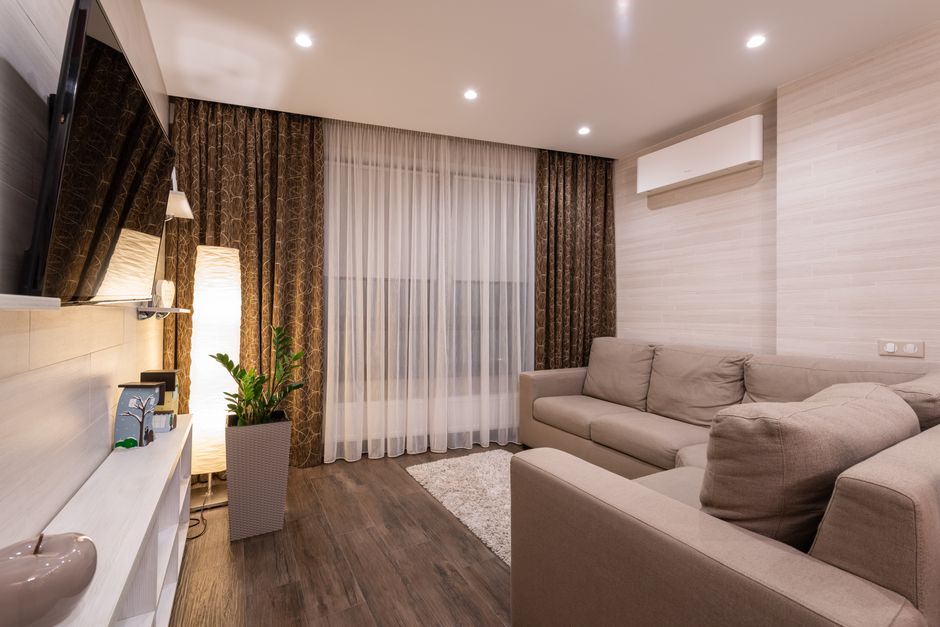
Why Regular Curtain Cleaning Matters
Regular cleaning extends the life of your curtains, maintains their aesthetic appeal, and improves indoor air quality. Dust mites, pet dander, and pollen can get trapped in fabric fibers, triggering allergies and respiratory issues. Additionally, dirt buildup can cause colors to fade and reduce the effectiveness of specialized features like blackout lining or acoustic absorption.
___PROTECTED_1___
Understanding Your Curtain Fabric
Different fabrics require specific care methods. Using the wrong cleaning technique can lead to shrinkage, color bleeding, or fabric damage. Identify your curtain type before starting any cleaning process.
Blackout Curtains
These curtains have a thick lining that blocks light. The lining is often made of foam or coated material, which is sensitive to heat and harsh chemicals. Avoid machine washing unless the care label explicitly allows it. Spot cleaning or professional dry cleaning is safer.
Sheer Curtains
Sheer fabrics are delicate and prone to tearing. They are typically made of polyester, cotton, or linen blends. Gentle hand washing or a delicate machine cycle with cold water and mild detergent is recommended. Never wring or twist sheers.
Velvet Curtains
Velvet has a plush pile that can be crushed by improper cleaning. Dry cleaning is the safest option for velvet curtains. If machine washing is allowed, use a gentle cycle with cold water and a mild detergent, then air dry flat to maintain the nap.
Acoustic Curtains
These heavy drapes are designed to absorb sound. They often contain multiple layers and dense fibers. Cleaning is challenging; most acoustic curtains require professional cleaning to preserve their acoustic properties. Vacuum regularly with a soft brush attachment.
___PROTECTED_2___
General Curtain Cleaning Tips
- Always check the care label first. Look for symbols indicating washing temperature, bleaching, and drying methods.
- Remove dust regularly using a vacuum cleaner with a brush attachment or a lint roller. This reduces the frequency of deep cleaning.
- Test any cleaning solution on an inconspicuous area before full application.
- Never use bleach or harsh chemicals unless specified – they can weaken fibers and cause discoloration.
- Unhook curtain rings or rods before washing to prevent snags.
- For machine washing, use a front-loading washer to avoid agitator damage. Put curtains in a mesh laundry bag for extra protection.
Step-by-Step Cleaning Guide by Fabric Type
| Fabric Type | Method | Steps |
|---|---|---|
| Blackout | Spot clean or dry clean | 1. Vacuum loose dirt. 2. Mix mild detergent with warm water. 3. Dab stains gently with a soft cloth. 4. Rinse with a damp cloth. 5. Air dry away from direct sunlight. |
| Sheer | Hand wash or delicate machine wash | 1. Soak in cold water with mild detergent for 15 minutes. 2. Gently agitate by hand. 3. Rinse thoroughly. 4. Roll in a towel to absorb excess water. 5. Hang to dry immediately to avoid wrinkles. |
| Velvet | Dry clean recommended | 1. If machine washable, use cold delicate cycle. 2. Air dry flat, fluffing occasionally to restore pile. 3. Steam lightly if needed, keep iron away from fabric. |
| Acoustic | Professional cleaning | 1. Vacuum frequently (low suction). 2. For stains, blot with a damp cloth and mild soap. 3. Consult manufacturer for deep cleaning or hire a specialist. |
How Often Should You Clean Curtains?
Frequency depends on fabric type, location, and household conditions. As a general rule:
- Vacuum: Every 1-2 weeks.
- Light wash (sheer/lightweight): Every 3-6 months.
- Deep clean (heavy/dark fabrics): Every 6-12 months.
- Kitchen curtains: Every 2-3 months due to grease and odors.
- If you have pets or allergies: Increase frequency by 50%.
Professional vs DIY Curtain Cleaning
While DIY cleaning saves money, professional services offer expertise and equipment for delicate fabrics. Consider professional cleaning for silk, antique curtains, or heavily soiled items. DIY is suitable for cotton, polyester, and machine-washable fabrics. Compare costs: professional cleaning typically ranges from $10-$50 per panel depending on size and fabric.
Common Curtain Cleaning Mistakes to Avoid
- Machine washing blackout curtains: Can damage the lining – stick to spot or professional cleaning.
- Using hot water on velvet: Causes shrinkage and pile distortion.
- Wringing sheer curtains: Leads to permanent creases; instead, press water out gently.
- Drying acoustic curtains in direct sunlight: Can degrade acoustic properties; air dry in shade.
- Skipping care label: Always read and follow manufacturer instructions.
Frequently Asked Questions about Curtain Cleaning
Can I wash blackout curtains in a washing machine? Only if the label says machine washable. Use cold water, gentle cycle, and no bleach. Air dry to protect the lining.
How do I remove yellow stains from white curtains? Soak in a mixture of oxygen bleach and cold water for 1 hour, then wash as usual. Test first.
Can I steam clean Velvet Curtains? Steam is acceptable as long as you keep the steamer moving and avoid saturating the fabric. Always test on a hidden area.
Do acoustic curtains shrink after washing? They can if washed in hot water. Always use cold water and avoid high heat drying.
How often should I replace curtains? With proper care, quality curtains last 5-10 years. Replace when fading, fraying, or loss of functionality occurs.
Regular Curtain Cleaning preserves their beauty and performance. By following these guidelines tailored to your fabric type, you can enjoy fresh, clean curtains for years to come. Remember, when in doubt, consult a professional cleaner for optimal results.