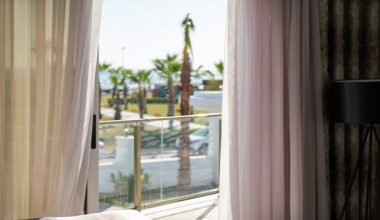
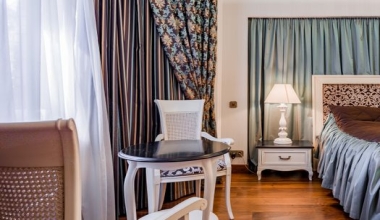
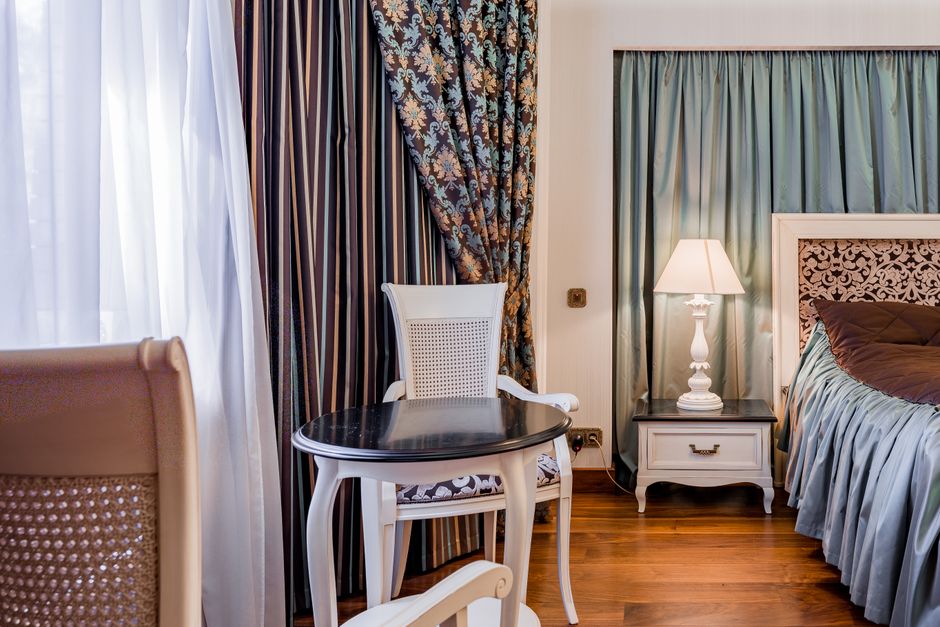
When it comes to outfitting a hotel, curtains are far more than decorative accents. They play a critical role in guest comfort, safety, energy efficiency, and brand identity. Hotel curtain standards encompass a range of specifications from fire resistance and light control to acoustic performance and durability. This comprehensive guide explores the essential standards every hotelier, interior designer, and procurement manager should know to select curtains that meet industry regulations and exceed guest expectations.
1. Fire Safety Standards
Fire safety is the foremost concern in hospitality. Hotel curtains must comply with local fire codes, which typically require flame retardant (FR) treatments or inherently FR fabrics. In the United States, NFPA 701 (National Fire Protection Association) is the most common standard, measuring flame spread and afterglow. In Europe, EN 13773 (for drapes) or BS 5867 (UK) are used. Certifications like NFPA 701 or Cal TB 117 ensure curtains self-extinguish within a specified time. Always request a certificate of compliance from suppliers.
| Region | Common Standard | Key Requirement |
|---|---|---|
| USA | NFPA 701 | Flames must self-extinguish within 2 seconds |
| UK | BS 5867 | Ignition time > 1 minute |
| EU | EN 13773 | Damage length < 150mm |
Hotels should also consider that some fabrics are inherently flame resistant (e.g., polyester with FR additives) while others require topical sprays that may need reapplication after cleaning.
___PROTECTED_1___
2. Light Control & Blackout Standards
Guest satisfaction heavily depends on room darkening capability. Blackout curtains typically block 99% of external light, measured by the blackout lining's opacity. The industry standard for a “blackout” curtain is a light transmission rate below 1% (ASTM E2190). For light filtering sheers, 10-30% transmission is common. Hotels often use a combination: a blackout drape over a sheer for flexibility. Remember that fabric weight and weave density affect light blocking; a 280-300 gsm fabric with a blackout coating provides reliable darkness.
Tip: Test curtains in situ with a light meter or at least hold a flashlight behind the fabric. Ensure side seams and bottom hems are light-tight, as gaps can ruin the effect.
___PROTECTED_2___
3. Acoustic Performance Standards
Noise reduction is a growing priority in hotels. Acoustic curtains absorb sound through dense, multi-layer constructions. The Noise Reduction Coefficient (NRC) rates how much sound a material absorbs (0 to 1, with 1 being total absorption). For hotel bedrooms, curtains with an NRC of 0.40 or higher significantly reduce echo and outside noise. Some fabrics also have a Sound Transmission Class (STC) rating, though curtains alone rarely exceed STC 10-15; they complement other acoustic treatments.
For best results, use a triple-weave or velvet fabric with a thick interlining. Acoustic blackout curtains combine light blockage and sound absorption, ideal for city hotels near traffic or nightlife.
4. Durability & Maintenance Standards
Hotels require curtains that withstand frequent opening and closing, cleaning, and exposure to sunlight. Key standards include:
- Fabric Weight: Minimum 250-300 gsm for drapes; heavier (400+ gsm) for luxury suites.
- Abrasion Resistance: A Martindale score of 20,000+ cycles for high-traffic areas.
- Colorfastness: Tested per AATCC 16 (light) or ISO 105; at least grade 4 to prevent fading.
- Washability: Commercial laundering must not shrink more than 3% or distort seams.
Velvet curtains, while luxurious, require special care; choose synthetic blends for easier maintenance. Always order extra yardage for future repairs or replacements.
5. Aesthetic & Branding Standards
Curtains reinforce a hotel’s visual identity. Standard practices include:
- Selecting colors from the brand’s palette (neutral + accent).
- Using a consistent header type (e.g., pinch pleat for classic hotels, grommet for modern).
- Ensuring drapes stack neatly – a general rule: 1.5x fullness for light fabrics, 2.5x for velvet.
- Coordinating with bed runners, pillows, and carpet.
Hotels often rotate seasonal colors or install sheers for daytime and blackouts for night. A design standard document should specify fabric swatches, hemming, and lining requirements.
6. Sustainability Standards
Eco-conscious guests and regulations push hotels toward sustainable curtains. Look for:
- OEKO-TEX Standard 100 – free from harmful chemicals.
- GOTS – for organic cotton curtains (rare in hotels due to cost).
- Recyclable Fabrics – polyester from recycled PET bottles.
- Greenguard Gold – low VOC emissions for indoor air quality.
Many manufacturers now offer take-back programs for old curtains. Sustainability also means durability: longer lifecycle reduces waste.
7. Industry Best Practices & Case Studies
Case 1: City Hotel, New York
Needed blackout + acoustic curtains for rooms facing a busy avenue. They chose triple-weave blackout with an NRC of 0.45. Results: 30% reduction in noise complaints.
Case 2: Boutique Resort, Maldives
Used sheer curtains to allow ocean views while filtering UV rays. Specified solution-dyed acrylic to resist salt and humidity.
Best Practices:
- Always request mock-up samples in the actual environment.
- Install curtain tracks with interlining access for easy removal.
- Train housekeeping on correct laundering and re-hanging.
- Include curtain specs in your FF&E (Furniture, Fixtures & Equipment) manual.
Conclusion
Hotel curtain standards are multifaceted, balancing safety, comfort, aesthetics, and sustainability. By adhering to fire codes, specifying blackout and acoustic properties, investing in durable materials, and aligning with your brand, you can elevate the guest experience while ensuring compliance. Always partner with reputable suppliers who provide certification and warranties. Review your current curtain specifications today – small upgrades can make a big difference in guest satisfaction and operational efficiency.