Why Specialized Curtains Matter in Senior Living
Selecting the right curtains for senior living communities goes beyond aesthetics. It directly impacts residents' comfort, safety, and well-being. Senior living environments—whether independent living, assisted living, or memory care—require window treatments that address unique needs: light control for better sleep, noise reduction for calmness, temperature regulation for energy efficiency, and ease of maintenance for staff. Specialized curtain fabrics like blackout, sheer, velvet, and acoustic options provide tailored solutions that enhance quality of life while meeting operational requirements.
___PROTECTED_1___
Key Fabric Choices for Senior Living Spaces
Blackout Curtains
Blackout curtains are essential in senior living, especially in bedrooms and memory care units. They block up to 99% of external light, promoting deeper sleep and reducing agitation in residents with dementia or circadian rhythm disorders. Look for fabrics with a high-density weave or a foam-backed coating. For senior living, choose flame-retardant (FR) certified blackout curtains to meet fire safety codes. Care tip: Most blackout curtains are machine washable on a gentle cycle, but avoid fabric softeners as they can degrade the light-blocking layer.
Sheer Curtains
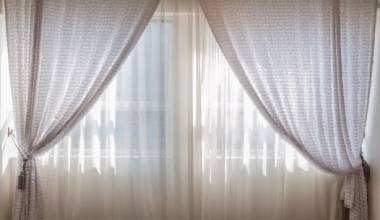
Sheer curtains allow natural light to filter in while providing privacy and a soft aesthetic. They are ideal for common areas like dining rooms and lounges, where daylight can boost mood and vitamin D synthesis. For seniors with low vision, sheers reduce glare without darkening the room. Pair sheers with blackout drapes in bedrooms for versatility. Care tip: Sheer fabrics are delicate—hand wash or use a mesh laundry bag on a delicate cycle, and hang to dry to maintain shape.
Velvet Curtains
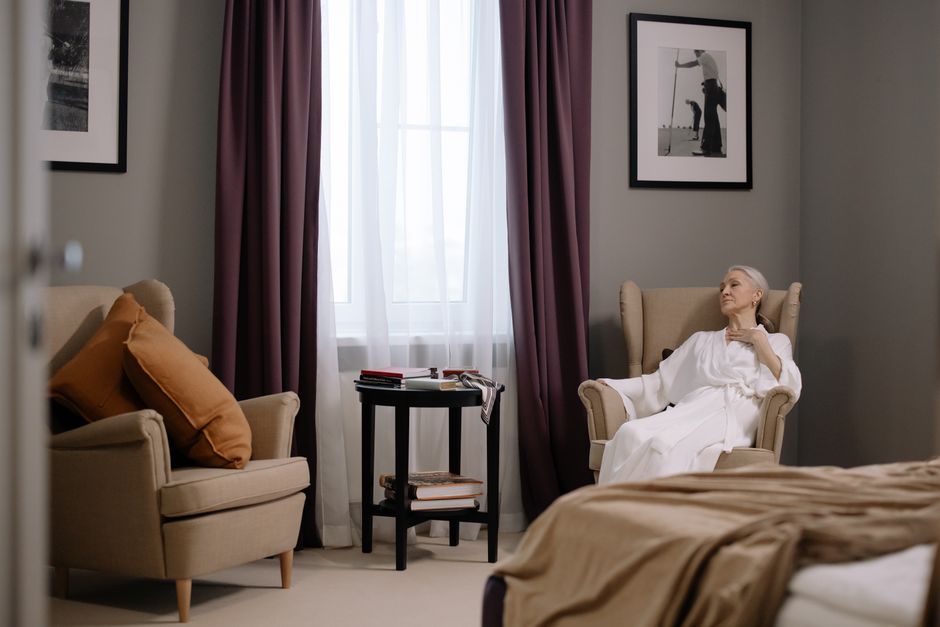
Velvet curtains add a touch of luxury and warmth, making spaces feel more inviting. Their dense pile also provides excellent thermal insulation, helping maintain consistent indoor temperatures—important for seniors sensitive to cold. Velvet is naturally noise-absorbing, reducing echoes in large rooms. Choose a synthetic velvet (e.g., polyester) for easier care and higher durability. Care tip: Spot clean velvet with a mild detergent; avoid machine washing unless specified. Use a steamer for wrinkles instead of ironing.
Acoustic Curtains
Acoustic curtains are specially designed to reduce noise levels, which is critical in senior living facilities near highways or within noisy buildings. They are typically made of thick, multi-layered fabrics that absorb sound waves. These curtains can lower noise by up to 10-15 decibels, creating a quieter, more restful environment. For maximum effect, ensure the curtains extend beyond the window frame and touch the floor. Care tip: Acoustic curtains often have a heavy lining; dry cleaning is recommended to preserve soundproofing properties.
___PROTECTED_2___
Practical Considerations for Installation and Maintenance
Safety First: All curtains in senior living must be flame-retardant and meet local fire codes. Use cordless blinds or motorized tracks to eliminate strangulation hazards. For wheelchair accessibility, ensure curtain rods are mounted high enough (above 80 inches) and that curtains don’t obstruct pathways.
Maintenance: Opt for fabrics that are stain-resistant and easy to clean. Regular vacuuming with a brush attachment removes dust and allergens. Schedule professional cleaning every 6–12 months for high-traffic areas. Always follow manufacturer care labels.
Senior Living Facility Case Studies
| Facility | Challenge | Solution | Outcome |
|---|---|---|---|
| Sunrise Memory Care | Residents with dementia often awoke confused due to early morning light. | Installed blackout curtains with a morning light timer that gradually opened sheers. | Reduced sundowning episodes by 30% and improved sleep quality. |
| Oakwood Assisted Living | Noise from nearby construction disturbed residents. | Fitted acoustic curtains in all bedrooms and common areas. | Noise complaints dropped by 40%; residents reported feeling calmer. |
| Maple Grove Senior Community | High energy bills from heat loss through windows. | Added velvet curtains with thermal backing in winter months. | Heating costs decreased by 15% in winter; residents enjoyed cozier rooms. |
Buying Guide: What to Look For
- Fire Safety Certification: Ensure all curtains have NFPA 701 or comparable certification.
- Light Blocking Rating: For blackout, look for a 100% blackout rating (total darkness).
- Noise Reduction Coefficient (NRC): For acoustic curtains, choose NRC 0.5 or higher.
- Thermal Insulation: Check the R-value if energy efficiency is a priority.
- Easy Care: Machine-washable fabrics save labor costs.
- Warranty and Durability: Commercial-grade curtains should last at least 5 years.
- Consult professionals: Work with a supplier experienced in healthcare or senior living installations.
Conclusion
Choosing the right curtains for senior living facilities requires balancing aesthetics, functionality, and safety. Blackout, sheer, velvet, and acoustic curtains each serve distinct purposes—from improving sleep to reducing noise. By considering fabric properties, maintenance needs, and real-world case studies, facility managers can create environments that enhance residents' quality of life. Invest in quality, flame-retardant, and easy-care curtains to ensure long-term satisfaction and compliance.