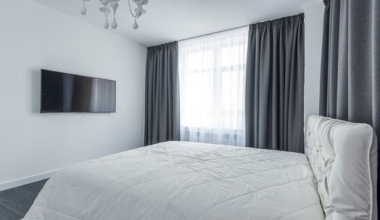
Hotel curtains endure heavy use, frequent cleaning cycles, and exposure to dust, smoke, and spills. Proper maintenance preserves their appearance, extends lifespan, and ensures guest satisfaction. This comprehensive guide covers everything you need to know about caring for blackout, sheer, velvet, and acoustic curtains in a hospitality setting.

Why Hotel Curtain Maintenance Matters
Well-maintained curtains contribute to a hotel's ambiance, reduce allergens, and protect privacy. Neglected drapes collect dust, harbor bacteria, and fade quickly. Regular care also prevents costly replacements and maintains fire-retardant properties required by building codes. A consistent maintenance schedule keeps curtains looking fresh and extends their service life by years.
___PROTECTED_1___
Understanding Different Curtain Fabrics
Hotel curtains come in various materials, each with unique care requirements. Knowing your fabric is the first step to effective maintenance.
Blackout Curtains
Typically made from polyester or blended fabrics with a foam or coating backing. They block light and provide thermal insulation. Avoid high heat when washing or drying to prevent delamination. Most are machine-washable on gentle cycle, but check the label.
Sheer Curtains
Lightweight, often made of polyester, nylon, or linen blends. They are delicate and prone to tearing. Hand washing or cold machine cycles in a mesh bag are recommended. Never wring or twist; simply drip dry. Iron on low heat if needed.
Velvet Curtains
Luxurious but high-maintenance. Many velvets are not washable and require professional dry cleaning. Vacuum regularly with a soft brush attachment to prevent dust buildup. Avoid water as it can cause water marks and crush the pile.
Acoustic Curtains
Heavy, multilayered fabrics designed to absorb sound. Often made with dense polyester, foam, or fiberglass interlinings. Most are dry-clean only; improper washing can ruin the sound-dampening properties. Vacuuming and spot cleaning are safe for light maintenance.
___PROTECTED_2___
Daily and Weekly Care Routines
Incorporate these simple practices to keep curtains in top condition:
- Dusting: Use a soft cloth or duster weekly on both sides to remove surface dust.
- Vacuuming: Attach a brush tool and vacuum curtains every two weeks, especially at pleats, hems, and valances. Use low suction on delicate fabrics.
- Spot Cleaning: Immediately treat spills with a damp cloth and mild detergent. Blot—never rub. Test on an inconspicuous area first.
- Air Circulation: Open curtains fully during the day to reduce moisture accumulation and prevent mildew.
Deep Cleaning Methods
Deep cleaning frequency depends on occupancy and location. Typically, hotel curtains should be cleaned every season or at least twice a year. Follow these fabric-specific guidelines:
| Fabric Type | Cleaning Method | Drying Method | Additional Tips |
|---|---|---|---|
| Blackout | Machine wash cold, gentle cycle with mild detergent | Low heat drying or air dry | Do not bleach; use a fabric softener sparingly |
| Sheer | Hand wash cold or machine in mesh bag | Hang to dry | Iron on low if needed; avoid wringing |
| Velvet | Professional dry clean only | N/A | Brush pile gently to restore texture |
| Acoustic | Dry clean or spot clean only | N/A | Vacuum regularly; never machine wash |
General washing tips: Always check the care label first. Use a mild detergent without bleach or optical brighteners. For blackout and sheer curtains, add a cup of white vinegar to the rinse cycle to remove soap residue and odors. For velvet and acoustic, consider professional cleaning to maintain warranties and performance.
Stain Removal Tips
Hotels face spills from wine, coffee, makeup, and body oils. Treat stains quickly:
- Red wine: Blot with a clean cloth, then apply a mixture of white vinegar and water. Rinse with cold water.
- Makeup: Gently dab with shaving cream or rubbing alcohol, then blot. Test first.
- Grease or oil: Sprinkle baking soda or cornstarch, let sit for 15 minutes, then brush off. Spot clean with dish soap.
- Ink: Use hairspray or rubbing alcohol on a cotton ball. Blot, then wash if possible.
For dry-clean-only fabrics, apply a dry solvent or take to a professional. Never rub—always blot to prevent spreading.
Professional Cleaning and Maintenance Schedule
For high-turnover hotels, schedule professional curtain cleaning every six months. This includes:
- Immersion cleaning for washable curtains
- Dry cleaning for velvet and acoustic types
- Re-treatment of fire-retardant chemicals if needed
- Inspection for tears, loose seams, or hardware damage
Consider off-site cleaning for larger volumes. Always ask for a policy on fabric shrink and colorfastness testing before cleaning.
Storage and Replacement Tips
Rotate curtains seasonally or during renovations. Store in a cool, dry place:
- Clean and fully dry before storage to prevent mold.
- Roll or hang loosely; avoid folding to prevent creases.
- Use acid-free tissue paper to protect fabric.
- Replace curtains when fading, fraying, or permanent stains appear—typically every 3–5 years for commercial use.
Extending Curtain Lifespan with Proper Hardware and Care
Use appropriate curtain rods, rings, and liners to reduce wear. Add tracks for heavy fabrics to prevent sagging. Install blackout linings behind decorative curtains to protect them from sun damage. For acoustic curtains, ensure proper floor clearance to avoid dragging. Train housekeeping staff on correct handling—avoid pulling curtains by the fabric; use the rod or returns instead. Regular maintenance not only saves money but also upholds the hotel's reputation for cleanliness and comfort.
By following these guidelines, hotel managers can keep their curtains beautiful and functional for years. Remember: always tailor care to the specific fabric, and don't hesitate to consult professionals for specialized cleaning needs.