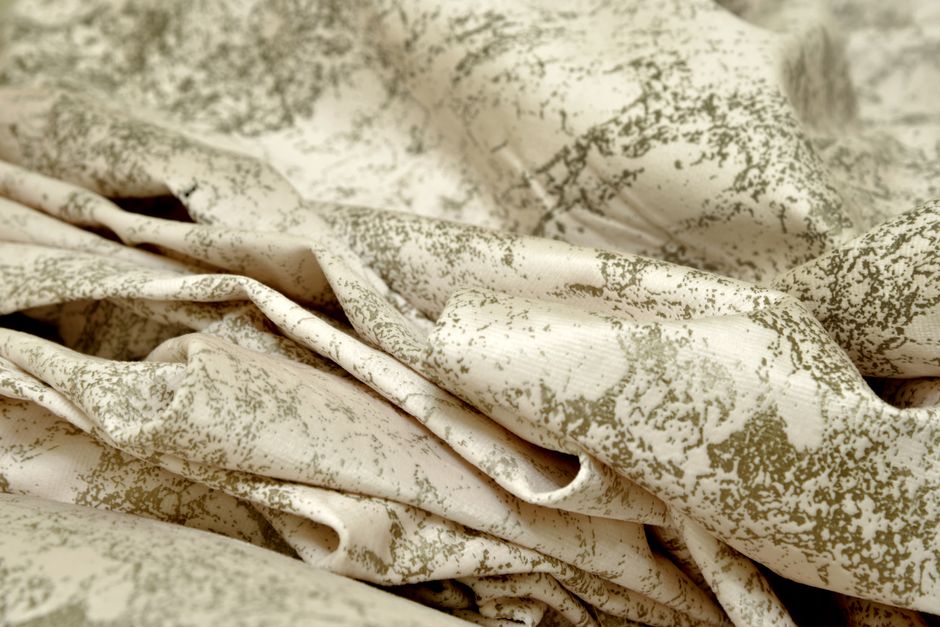
Understanding Why Curtains Wrinkle
Curtain wrinkles are a common annoyance, especially after unpacking new drapes or storing them for a season. Factors like packaging folds, humidity, and improper hanging can leave creases that mar the smooth, elegant look of your window treatments. Removing these wrinkles not only restores aesthetics but also prolongs fabric life—especially for delicate materials like sheer or velvet. This guide covers tailored methods for blackout, sheer, velvet, and acoustic curtains, ensuring you never have to live with unsightly folds.
___PROTECTED_1___
Method 1: Steaming – The Gentlest Approach
Steaming is ideal for most curtain fabrics because it relaxes fibers without direct heat contact. Use a handheld garment steamer or an iron with a vertical steam function.
For Sheer Curtains
Hold the steamer 6 inches away and move in downward strokes. Sheer fabrics are heat-sensitive, so avoid letting the steamer touch the material. Steam on a low setting to prevent water spots.
For Velvet Curtains
Velvet’s pile can crush easily. Hang the curtain and steam from a distance, using a gentle steam burst. Never press the steamer against the fabric. Optionally, brush the pile lightly with a soft brush after steaming to restore nap.
For Blackout Curtains
Blackout curtains often have a coated backing that can peel if overheated. Steam the front side only, keeping the steam head at least 8 inches away. Do not steam the backing directly.
For Acoustic Curtains
These heavy multilayered draperies respond well to steaming. Use a strong steamer and work in sections. The steam penetrates deeply without damaging soundproofing layers.
___PROTECTED_2___
Method 2: Ironing – Use with Caution
Ironing provides crisp results but demands care. Always check the care label first.
| Fabric Type | Iron Setting | Precautions |
|---|---|---|
| Sheer | Low (synthetic or silk setting) | Use a pressing cloth; iron while damp |
| Velvet | Medium (wool setting) | Iron on the reverse side over a thick towel to prevent pile flattening |
| Blackout | Low (polyester setting) | Iron only the fabric face; never touch the coated back |
| Acoustic | Medium (cotton setting) | Test on an inconspicuous area; iron with steam |
For best results, iron while the curtain is slightly damp. Use a spray bottle to mist, then iron in small sections. Always move the iron in the direction of the fabric grain to avoid stretching.
Method 3: Wrinkle-Release Spray
This no-heat method works wonders for synthetic blends like blackout and some acoustic curtains. Mix 1 cup water with 1 tablespoon fabric softener or white vinegar in a spray bottle. Lightly mist the wrinkled areas, then gently smooth the fabric with your hands. For stubborn wrinkles, use a hairdryer on a cool setting while pulling the fabric taut. Commercial sprays like Downy Wrinkle Releaser are also effective—follow package directions.
Method 4: Drying Techniques to Prevent Wrinkles
Prevention is easier than removal. After washing, shake out curtains and hang them immediately. Use a steamy dryer cycle: toss a damp towel in with the curtains on low heat for 10 minutes, then hang while still warm. Add curtain weights to the hem to help gravity pull out creases. For long curtains, use a hem tape that stretches slightly to maintain tension.
Quick Fixes for Last-Minute Wrinkles
- Hairdryer trick: Set to cool, aim at wrinkles while pulling the fabric taut.
- Bathroom steam: Hang the curtain in the bathroom during a hot shower for 15 minutes.
- Damp cloth ironing: Place a damp cloth over the wrinkle and iron on low heat.
Common Mistakes to Avoid
- Using high heat on polyester or acrylic blends – can melt or distort.
- Pressing directly onto blackout coating – causes peeling and discoloration.
- Overloading a steamer – leads to water spitting and spots.
- Skipping a test patch – always test on an inconspicuous area first.
- Ignoring care labels – they contain crucial temperature and method guidelines.
Professional vs. DIY Steaming
For heavily wrinkled heirloom curtains or delicate silk, consider professional steaming. DIY methods work for most fabrics but require patience. If you choose professional, request a steam-only service (no dry cleaning chemicals) to preserve fabric integrity.
Conclusion: Keep Them Wrinkle-Free
Regular maintenance extends curtain life. Use steam as your first line of defense, iron with caution, and adopt preventive drying habits. With these techniques, your blackout, sheer, velvet, and acoustic curtains will stay smooth and beautiful for years.