Large windows are a stunning architectural feature, but they come with unique challenges when it comes to light control and privacy. Standard blackout curtains often fall short, leaving gaps or sagging under their own weight. This comprehensive guide will help you choose, size, and install the best blackout curtains for large windows in your living room, ensuring total darkness, energy efficiency, and a seamless look.
Why Large Windows Need Special Blackout Curtains
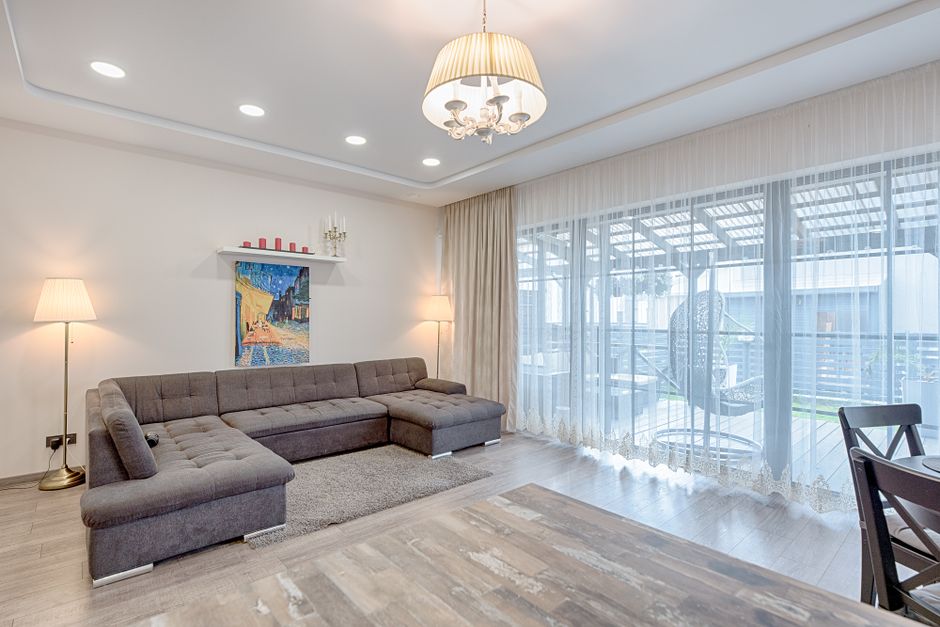
Oversized windows magnify common curtain problems. The sheer surface area means more light seeps through fabric joins, and the weight of heavy blackout lining can strain standard rods. Without proper planning, you may end up with uneven drapes, light leaks at the top and sides, or curtains that don't close completely. Additionally, large windows are often a primary source of heat loss or gain, making effective insulation critical. Specialized blackout curtains for large windows address these issues with wider panels, reinforced headers, and thicker fabrics.
___PROTECTED_1___
Key Factors to Consider When Choosing Blackout Curtains for Large Windows
Light Blocking Efficiency
Look for curtains rated with a high Total Blackout Factor (TBF). For living rooms used for home theaters or shift workers, choose 100% blackout fabrics. Triple-weave or foam-backed polyester often provides the best performance.
Width and Coverage
Standard curtain panels are 48-52 inches wide. For large windows (over 72 inches), you'll either need multiple panels or custom extra-wide panels. Ensure the total gathered width is 2-3 times the window width for proper fullness.
Length and Drop
Floor-to-ceiling windows require curtains that puddle slightly or just kiss the floor. Measure from the rod to the floor, adding 1-2 inches for a break or 4-8 inches for puddling.
Fabric Weight
Heavy blackout fabrics can overwhelm a room. Consider lined options with a decorative face fabric and a blackout lining – they offer insulation without excessive weight.
Rod Compatibility
Large curtains need sturdy rods. Choose steel or heavy-duty aluminum rods with a diameter of at least 1.5 inches and decorative brackets spaced every 3-4 feet to prevent sagging.
___PROTECTED_2___
Top Blackout Curtain Materials for Oversized Windows
| Material | Light Blockage | Insulation | Weight | Best For |
|---|---|---|---|---|
| Triple-weave Polyester | 100% | Good | Medium | Standard large windows, budget-friendly |
| Velvet | 99% | Excellent | Heavy | Formal living rooms, cold climates |
| Cotton with Foam Backing | 100% | Moderate | Light to medium | Eco-friendly options, moderate insulation |
| Acoustic Blackout Curtains | 100% | Excellent | Very heavy | Home theaters, noisy areas |
| Blackout Lined Sheers | 95% (with lining) | Good | Light | Layered looks, partial blackout |
For most large living room windows, triple-weave polyester offers the best balance of light blockage, weight, and cost. If you prioritize luxury, velvet provides superior insulation but requires extra-strong rods. Acoustic curtains are ideal if your window faces a busy street.
Measuring and Sizing for Large Windows
Step-by-Step Measuring Guide
- Measure the width: For a standard window, add 12-16 inches on each side to allow curtains to stack back and cover the entire window. For large windows (e.g., patio doors), measure the total width of the opening and add 20-30 inches total.
- Determine rod length: The rod should extend 6-12 inches beyond the window frame on each side so curtains don't block the glass when open.
- Measure the height: From the top of the rod casing to the desired length. For floor-length, subtract the rod height from the floor measurement. For a break, add 1-2 inches; for puddling, add 4-8 inches.
- Calculate panel width: Multiply the window width by 2 to 3 for fullness. Then divide by the width of one panel (usually 50-52 inches) to get the number of panels per side. For a 120-inch window with 2x fullness, you need 240 inches of fabric – that's 5 panels of 50 inches each. You can use 2.5 panels per side (buy 6 total and split).
Pro Tip for Extra-Wide Windows
Consider using a traverse rod system with a single panel per side that can be pulled across like a drapery. This avoids multiple pinch pleat panels and creates a clean, continuous look.
Installation Tips for Heavy or Oversized Curtains
Choosing the Right Rod
For curtains weighing over 10 pounds per panel, use a heavy-duty decorative rod with a center support bracket to prevent bowing. For extra-wide windows, install brackets every 3 feet. Adjustable rods with screw-in brackets are best for custom lengths.
Mounting Height and Width
Mount the rod as close to the ceiling as possible – this draws the eye upward and makes the room feel taller. For width, extend the rod 6-12 inches past the window on each side to ensure curtains don't block glass when open.
Handling Heavy Stackback
Wide panels can bunch up thickly when drawn open. Use holdback brackets or tiebacks to keep curtains neatly to the sides. Alternatively, choose curtains with grommet tops – they slide more smoothly than pinch pleat hooks.
Custom vs. Ready-Made: Which Is Better?
For truly large windows (over 100 inches wide), custom curtains are often the only option. They allow exact width, length, and fabric choice. Ready-made panels may be too short or not wide enough, leading to seam lines or insufficient coverage.
| Factor | Custom | Ready-Made |
|---|---|---|
| Cost | High ($200-$800+ per panel) | Moderate ($30-$150 per panel) |
| Lead Time | 2-6 weeks | Immediate |
| Fit | Perfect to your window | May require stitching or hemming |
| Fabric Choices | Extensive | Limited to stock patterns |
| Return Policy | Often non-returnable | Flexible |
If you have a non-standard window shape (arched, sliding, or floor-to-ceiling), invest in custom. For standard rectangles within a few inches of stock sizes, ready-made with extra panels works fine.
Best Blackout Curtain Brands for Large Windows
Top Picks
- IKEA Sanela: Affordable blackout panels up to 55 inches wide. Use multiple per window. Excellent light blockage.
- Sun Zero: Offers extra-wide panels (up to 100 inches) for sliding doors. Energy-efficient and durable.
- Grommet Blackout Curtains by NICETOWN: Available in 52- and 64-inch widths. Thermal and sound-reducing.
- Custom Curtains by The Shade Store: Fully customizable for any size, with designer fabrics and professional installation.
- Lush Decor: High-end velvet blackout curtains in oversized dimensions, perfect for dramatic elegance.
Frequently Asked Questions
How many panels do I need for a 120-inch window?
For 2x fullness, you need 240 inches of fabric. If using 50-inch-wide panels, you'll need 5 panels total (2.5 per side, so buy 6 and split one into two half-panels).
Can I use two rods for extra-wide windows?
Yes. Install a double rod system: one for a sheer layer (daytime) and one for blackout curtains. This adds depth and flexibility.
Do blackout curtains help with insulation?
Absolutely. Thermal blackout curtains can reduce heat loss by up to 25% in winter and block solar gain in summer, lowering energy bills.
How do I mount curtains on a wall that is all glass?
Use ceiling-mounted track systems or tension rods if there's no wall space. For floor-to-ceiling glass, mount the track just below the ceiling and let curtains fall to the floor.
Conclusion
Choosing the best blackout curtains for large living room windows requires attention to size, fabric, and hardware. Prioritize light blockage, proper fullness, and sturdy installation to achieve both function and beauty. Whether you opt for custom or ready-made, invest in quality materials that will last. With the tips in this guide, you'll enjoy a perfectly darkened, energy-efficient living room that enhances your comfort and style.