When it comes to choosing the perfect curtains for your home or office, two popular styles often stand out: wave curtains and eyelet curtains. Both offer distinct advantages in terms of aesthetics, functionality, and ease of use. This comprehensive guide will explore the differences, benefits, and ideal applications of each, helping you make an informed decision for your space.
What Are Wave Curtains?
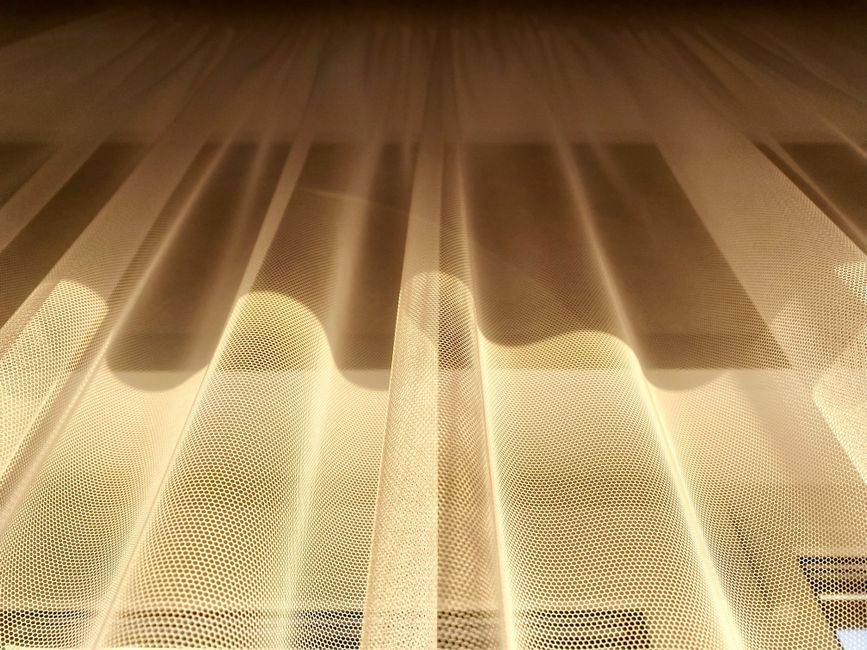
Wave curtains, also known as ripple fold or S-fold curtains, are a modern and minimalist window treatment. They are characterized by their continuous, gentle waves that run uniformly across the width of the curtain. This effect is achieved by using a specially designed track system with a glide mechanism that creates a consistent wave pattern. Wave curtains are often made from lightweight to medium-weight fabrics such as sheer, linen, or polyester blends, though they can also be used with blackout linings for added functionality.
Key Features of Wave Curtains
- Wave Pattern: The fabric flows in uniform, soft waves, creating a sleek and contemporary look.
- Track System: Requires a dedicated wave track or curtain rod with wave gliders to maintain the shape.
- Headings: The top of the curtain is finished with a tape that attaches to the gliders, ensuring even spacing.
- Fabric Compatibility: Best suited for fabrics with some drape, but can accommodate heavier fabrics with appropriate gliders.
___PROTECTED_1___
What Are Eyelet Curtains?
Eyelet curtains, also called grommet curtains, are a classic and versatile choice. They feature a row of metal rings (eyelets) along the top of the curtain panel, which slide onto a curtain rod. The rings create a natural, even pleat when the curtain is drawn, offering a tailored appearance. Eyelet curtains are suitable for a wide range of fabrics, from lightweight sheers to heavy blackout velvet.
Key Features of Eyelet Curtains
- Easy Installation: Simply slide the rings onto a standard curtain rod – no hooks or clips needed.
- Natural Fold: The weight of the fabric creates soft, uniform pleats from the top to bottom.
- Versatility: Works with almost any fabric type and weight, including blackout and thermal linings.
- Cost-Effective: Generally less expensive than wave curtain systems because no special track is required.
___PROTECTED_2___
Wave vs Eyelet Curtains: Key Differences
| Feature | Wave Curtains | Eyelet Curtains |
|---|---|---|
| Appearance | Modern, continuous waves | Classic, pleated folds |
| Header Style | Ripple fold with tape | Grommet rings |
| Hardware Required | Specialized track or wand | Standard curtain rod |
| Ease of Installation | Moderate (requires track mounting) | Easy (slip onto rod) |
| Fabric Drape | Uniform waves across entire width | Natural folds at top remain pleated |
| Suitable Fabrics | Light to medium drapable fabrics | All weights and types |
| Light Control | Good, but gaps may occur at edges | Excellent with proper width |
| Maintenance | Easy to remove and wash | Easy to remove and wash (rings stay) |
| Cost | Higher (track system required) | Lower to moderate |
Choosing the Right Curtain for Your Room
Consider the Room's Style
Wave curtains are ideal for minimalist, Scandinavian, or contemporary interiors where clean lines and a clutter-free look are desired. They work exceptionally well in open-plan spaces, offices, and high-end hotels. Eyelet curtains, on the other hand, suit traditional, transitional, or eclectic decors. They are perfect for living rooms, bedrooms, and dining areas where a classic, warm ambiance is preferred.
Functionality Needs
For light control and privacy, both can be paired with blackout linings, but eyelet curtains often provide better coverage at the top due to the pleats. Wave curtains may have small gaps at the top of the wave, which can allow light leakage if not properly mounted. For acoustic or thermal insulation, heavier fabrics like velvet or layered curtains are more effective; eyelet curtains accommodate these fabrics easily, while wave curtains may require stronger gliders and tracks.
Budget and Installation
If you're on a tight budget or prefer a DIY installation, eyelet curtains are the way to go. They require only a curtain rod and basic tools. Wave curtains involve a more expensive track system and professional installation is often recommended for best results. However, the sleek look of wave curtains can add a touch of luxury that justifies the higher cost.
Practical Tips
- Measuring: For wave curtains, ensure the track is at least 1.5-2 times the window width for proper wave depth. For eyelet curtains, the rod should be 1.5-2.5 times the window width for fullness.
- Fabric Selection: Wave curtains work best with fabrics that have good drape, such as polyester, linen blends, or sheers. Eyelet curtains can handle anything from sheer to heavy blackout velvet.
- Lining: Both styles can be lined for added insulation, privacy, or blackout. Ensure the lining is attached correctly to avoid bunching.
Installation and Maintenance
Wave Curtains
Installation: Mount the wave track securely to the wall or ceiling. Thread the gliders onto the track, then attach the curtain tape to the gliders. Evenly distribute the fabric to create uniform waves. Professional installation is recommended for bay windows or long spans.
Maintenance: Remove the curtain from the gliders by detaching the tape. Most wave curtains are machine washable on a gentle cycle, but always check the care label. Iron on low heat if needed. The track system may require occasional dusting or vacuuming.
Eyelet Curtains
Installation: Measure and install a curtain rod at the desired height. Slide the curtain rings onto the rod, then arrange the pleats evenly. Use a rod with decorative finials to complete the look.
Maintenance: Remove the curtain by sliding the rings off the rod. Most eyelet curtains can be machine washed. To prevent rusting of the grommets, avoid harsh detergents and dry promptly. The rings may be wiped clean with a damp cloth.
Industry Application Cases
Residential Use
Wave Curtains: In a modern apartment with floor-to-ceiling windows, wave curtains in a light sheer fabric add elegance without overwhelming the space. They are often used in living rooms with minimalist furniture and neutral palettes. For example, a client chose wave curtains in a soft ivory velvet for a luxury bedroom, creating a serene and sophisticated environment.
Eyelet Curtains: In a traditional suburban home, eyelet curtains in heavy blackout fabric are perfect for the master bedroom, providing maximum darkness for sleep. In a child's room, playful patterns on eyelet curtains add character and are easy to replace as the child grows.
Commercial Use
Wave Curtains: Hotels and event venues favor wave curtains for their clean, uniform appearance. They are often used in lobbies, ballrooms, and conference rooms to create a professional and luxurious atmosphere. For instance, a boutique hotel installed wave curtains in blackout fabric for guest rooms, ensuring both style and functional light control.
Eyelet Curtains: Offices, clinics, and restaurants frequently choose eyelet curtains for their cost-effectiveness and ease of maintenance. A corporate office might use eyelet curtains in medium-weight fabric to reduce glare on computer screens while maintaining a neat appearance. A busy café could opt for durable, easy-to-clean eyelet curtains in a vibrant color to enhance the interior design.
Frequently Asked Questions
Can wave curtains be used for blackout?
Yes, wave curtains can be made with blackout lining or fabric. However, due to the wave design, there may be small gaps at the top and bottom where light can seep through. For complete blackout, consider adding a pelmet or using a track that allows the fabric to sit flush against the wall.
Are eyelet curtains outdated?
Not at all. Eyelet curtains are a timeless choice and remain popular due to their simplicity and versatility. Modern eyelet curtains come in a wide range of designs, from classic to contemporary, ensuring they fit any decor.
Which curtain style is better for sliding doors?
Wave curtains are often preferred for sliding doors because their track can be mounted close to the door glass, and the waves fold neatly to one side without obstructing the door. However, eyelet curtains with a long rod can also work if the rod extends beyond the door length to allow the curtains to clear the door entirely.
Conclusion
Both wave curtains and eyelet curtains offer unique benefits, and the right choice depends on your personal style, functional needs, and budget. Wave curtains deliver a modern, streamlined look with uniform waves, ideal for contemporary spaces and those who appreciate minimalist design. Eyelet curtains provide classic elegance, easy installation, and versatility across various fabric types and room styles. Consider the room's purpose, the desired ambiance, and your long-term maintenance preferences. Whether you opt for the sleek appeal of wave curtains or the timeless charm of eyelet curtains, both can transform your windows into beautiful focal points.