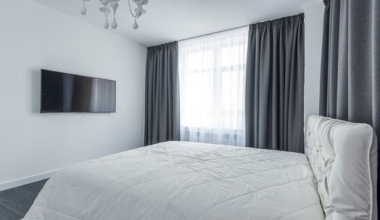
Blackout curtains are a wonderful investment for improving sleep quality, reducing energy costs, and adding a touch of elegance to any room. However, their specialized construction—often featuring multiple layers of fabric, foam, or dark lining—makes them trickier to clean than standard drapes. Improper cleaning can lead to delamination, shrinkage, or loss of blackout properties. This comprehensive guide covers everything you need to know to clean blackout curtains safely and effectively, whether they are polyester, cotton, velvet, or a blend.
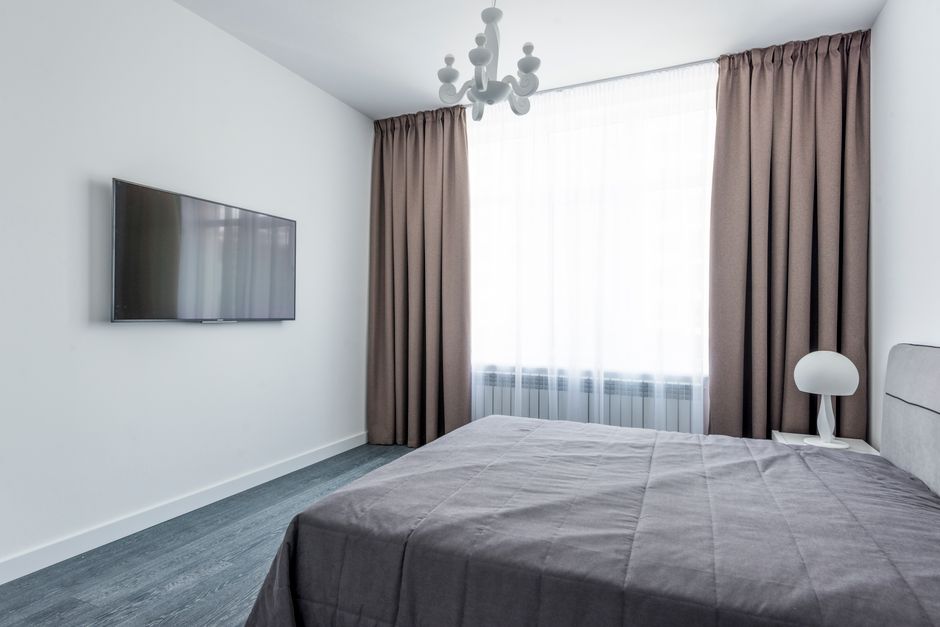
Why Cleaning Blackout Curtains Matters
Over time, blackout curtains accumulate dust, allergens, pet dander, and even mold spores—especially in humid environments. Regular cleaning not only maintains their appearance but also ensures they continue to block light effectively. Dust buildup can clog the fabric’s pores, reducing its light-blocking ability. Moreover, clean curtains contribute to better indoor air quality, which is essential for allergy sufferers. Aim to wash blackout curtains every 3 to 6 months, or more frequently in high-traffic or smoky environments.
___PROTECTED_1___
Before You Start: Check the Care Label
The most important step is to read the manufacturer’s care label. Blackout curtains can be made from various materials such as polyester, cotton, silk, or velvet, and each has unique cleaning requirements. Look for symbols indicating whether the curtains are machine washable, hand wash only, dry clean only, or require gentle cycles. If the label is missing or illegible, test a small inconspicuous area before proceeding with full cleaning.
___PROTECTED_2___
General Cleaning Guidelines (Do’s and Don’ts)
Here are universal tips for cleaning blackout curtains:
- Dust regularly: Use a vacuum cleaner with a soft brush attachment on low suction to remove loose dust and dirt. Alternatively, use a lint roller for quick touch-ups.
- Avoid bleach: Bleach can break down the blackout coating and cause yellowing. Use mild detergents or specialized fabric cleaners.
- Never wring or twist: Wet blackout curtains are heavy; wringing can damage the lining and cause wrinkles. Gently press out water or use a spin cycle on low.
- Check for colorfastness: Dampen a hidden corner with water and blot with a white cloth to see if any dye transfers.
- Remove hooks and weights: Before washing, take off all hardware, including curtain rings, hooks, and weighted hem tapes, to prevent damage to the curtains and the washing machine.
Machine Washing Blackout Curtains
Many polyester and cotton blackout curtains are machine washable. Follow these steps for the best results:
- Pre-treat stains: Apply a small amount of gentle detergent directly to stains and let sit for 10 minutes.
- Choose the right cycle: Set your washing machine to a gentle or delicate cycle with cold or lukewarm water (never hot). Hot water can shrink the fabric or damage the coating.
- Use mild detergent: Select a phosphate-free, color-safe detergent. Avoid fabric softeners as they can leave a residue that attracts dust and reduces blackout efficiency.
- Load properly: Do not overcrowd the machine. Wash blackout curtains separately or with similar lightweight items. For very large curtains, wash one panel at a time.
- Extra rinse: Add an extra rinse cycle to ensure all detergent residues are removed.
Hand Washing Blackout Curtains
For delicate fabrics like silk or velvet, or if the care label recommends hand washing, use this method:
- Fill a bathtub or large basin with cool water and add a small amount of mild detergent (e.g., Woolite).
- Submerge the curtains and gently agitate by hand. Do not scrub vigorously, especially on the blackout layer.
- Let them soak for 10–15 minutes, then drain the soapy water.
- Refill with clean cool water and gently press the curtains to remove soap. Repeat if necessary until no suds remain.
- Carefully lift the curtains out—do not wring—and press out excess water with your hands or by rolling them in a clean, dry towel.
Spot Cleaning Blackout Curtains
For minor stains or dirt, spot cleaning is the safest method to avoid full washing. Use a clean white cloth and a solution of mild detergent (one teaspoon per cup of water). Dab the stain gently—do not rub, as that can push the stain deeper. For grease or oil stains, apply a small amount of cornstarch or baking soda, let sit for 15 minutes, then brush off followed by a gentle water wipe. Always test on an inconspicuous area first.
Drying Blackout Curtains: Air Dry Preferred
Heat is the enemy of blackout curtains. High heat can cause the fabric to shrink, the coating to crack, or the layers to separate. Therefore, air drying is highly recommended.
- Hang drying: Rehang the curtains on the rod while still slightly damp. This allows them to dry in their natural shape and minimizes wrinkles. Ensure the curtains are fully open to allow air circulation.
- Line drying: If you need to dry them flat, lay a clean sheet on the floor and place the curtains on top. Flip occasionally to speed up drying.
- Tumble drying (if allowed): Only if the care label explicitly states it is safe. Use the lowest heat setting (no heat air fluff) and remove while still slightly damp to avoid over-drying. Add clean, dry towels to absorb moisture and reduce wrinkles.
Important: Never expose blackout curtains to direct sunlight while drying, as UV rays can degrade the blackout coating over time.
Steaming and Ironing Blackout Curtains
Wrinkles in blackout curtains are common after washing. The best way to remove them is with a garment steamer. Hold the steamer nozzle a few inches away from the fabric and steam while the curtains are hanging. For stubborn wrinkles, use a low-temperature iron with a pressing cloth between the iron and the curtain to protect the blackout layer. Never iron directly on the blackout coating, as it can melt or become sticky. Avoid using high heat on velvet or flocked blackout curtains.
Professional Cleaning for Delicate or Heavily Soiled Curtains
For blackout curtains made of silk, velvet, or with complex layers, professional dry cleaning is often the safest choice. Similarly, if your curtains are heavily soiled with smoke, mold, or stubborn stains, a professional will have the expertise and equipment to clean them without damage. Be sure to inform the cleaner that the curtains are blackout and specify any lining sensitivities.
Maintenance Tips to Extend Curtain Life
- Vacuum curtains weekly with a soft brush attachment to reduce dust buildup.
- Rotate curtains periodically to ensure even exposure to sunlight and prevent fading on one side.
- Keep curtains away from heat sources like radiators, as heat can degrade the blackout coating.
- In humid climates, use a dehumidifier or occasionally open windows to prevent mold growth on the curtains.
- For velvet blackout curtains, use a lint roller or soft brush to remove dust without crushing the pile.
Common Mistakes to Avoid
| Mistake | Consequence |
|---|---|
| Washing with hot water | Shrinkage and coating delamination |
| Using bleach or harsh chemicals | Yellowing, loss of blackout ability |
| Machine drying on high heat | Permanent wrinkles, cracking of coating |
| Scrubbing stains aggressively | Damage to the fabric and lining |
| Ignoring care label instructions | Voided warranty, irreversible damage |
By following these guidelines, you can keep your blackout curtains looking fresh and functioning perfectly for years. Always prioritize gentle methods and when in doubt, consult a professional. With proper care, your investment in darkness and comfort will continue to pay off night after night.