Why Curtains Matter in Small Spaces
In a small room, every visual element counts. Curtains are more than just window coverings; they are architectural tools that can alter perceptions of height, width, and depth. The right curtain choice can make a compact bedroom feel like a serene retreat, a tiny living room seem more expansive, or a narrow hallway gain a sense of purpose. By controlling natural light, adding texture, and drawing the eye upward, curtains become a strategic element in small-space design. Unlike bulky furniture or area rugs, curtains occupy a relatively small surface area when open, yet they frame the entire room when closed. This dual nature makes them one of the most versatile and impactful design decisions for small interiors.
___PROTECTED_1___
Choosing the Right Fabric: Light and Airy vs. Heavy and Cozy
The fabric you select sets the tone for the room. In small spaces, the weight, color, and texture of the material can either open up the space or make it feel confined. Generally, lightweight fabrics like sheer or linen blends allow more natural light to filter through, creating an airy, breezy atmosphere that visually expands the room. On the other hand, heavier fabrics like velvet or blackout lining add warmth and a sense of intimacy, making a small room feel cozy rather than cramped. The key is to balance the fabric's weight with the room's function. For instance, a small bedroom that needs darkness for sleep will benefit from blackout curtains, but if the entire room is tiny, choose a light-colored blackout fabric to avoid overwhelming the space. Always consider the texture too: smooth, flat fabrics reflect light, while textured fabrics like velvet absorb and soften it, which can make a small room feel more intimate but potentially smaller.
Material Guide for Small-Space Curtains
Here's a quick comparison of popular curtain fabrics and how they perform in small spaces:
| Fabric Type | Best For | Light Control | Privacy | Sound Absorption | Space Effect |
|---|---|---|---|---|---|
| Sheer | Living rooms, dining nooks | Diffuses light, no blackout | Low during day, higher at night with lining | Minimal | Expands visually, airy |
| Blackout | Bedrooms, home theaters | Blocks 99% of light | High | Moderate | Can feel heavy if dark, but light colors help |
| Velvet | Cozy living rooms, statement windows | Medium-high, depends on lining | High | Good | Adds richness, can visually shrink if too dark |
| Acoustic | Home offices, apartments near noise | Varies, often blackout-like | High | Excellent | Often thick; use light colors to offset bulk |
___PROTECTED_2___
Blackout Curtains for Small Bedrooms: Maximize Sleep and Space
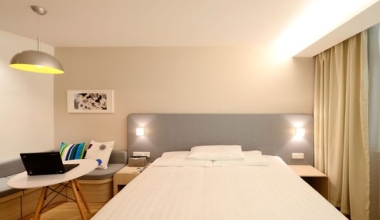
Blackout curtains are a godsend for light-sensitive sleepers, but in small bedrooms they pose a design challenge: how do you block light without making a cramped room feel like a cave? The answer lies in color and hardware. Choose blackout curtains in light, neutral tones—white, ivory, soft gray, or pastel blue—to prevent the material from absorbing the room's limited natural light. These colors reflect ambient daylight when the curtains are open, maintaining an open feel. Additionally, consider mounting the blackout curtain rod higher than the window frame and wider than the window itself. This trick not only makes the window appear larger but also allows the curtains to draw fully to the side, exposing the entire window and flooding the room with light when needed. For small bedrooms, safety and ease of operation are also crucial: use a cordless chain or motorized system to reduce bulk and avoid long, tangle-prone cords that can visually clutter the space.
Sheer Curtains: Create the Illusion of Space
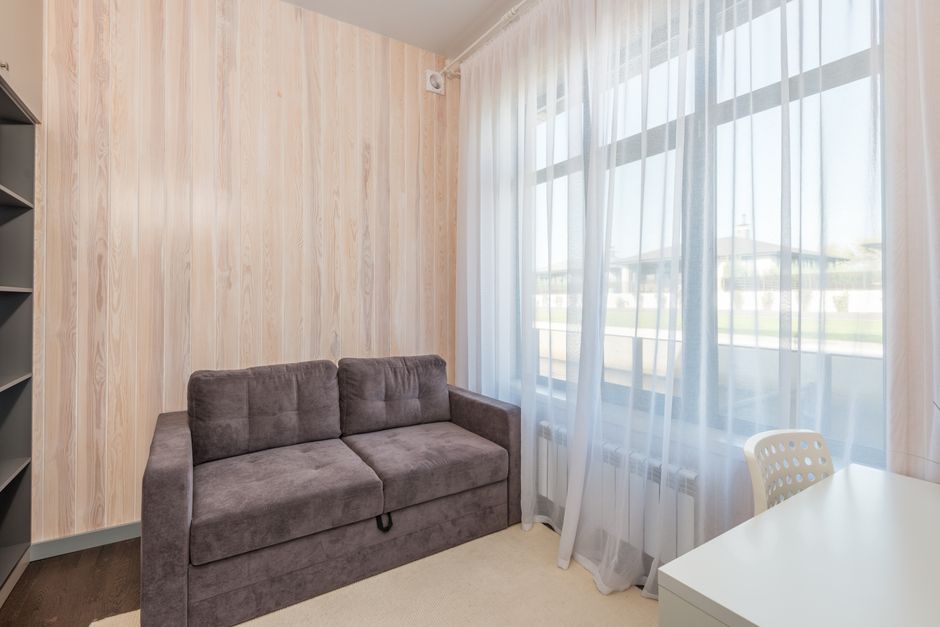
Sheer curtains are arguably the most effective tool for making a small room feel larger. Because they allow light to pass through while softening the view outside, they create a seamless connection between the interior and exterior. This transparency tricks the eye into seeing the window as part of the room's volume, effectively extending the visual boundaries. For a truly expansive effect, hang sheers from ceiling to floor; the continuous length draws the eye upward, making the ceiling appear higher. In small living rooms, use white or off-white sheers to let natural light bounce around the space. For a touch of color, choose pastel sheers that tint the light without reducing brightness. Sheer curtains also work exceptionally well on their own in rooms that need privacy during the day but don't require full darkness. They can be layered with blackout curtains for a versatile solution—see the section on layering below.
Velvet Curtains: Add Depth and Luxury Without Clutter
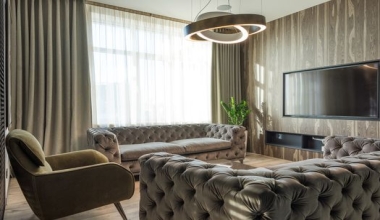
Velvet curtains might seem like a risky choice for a small space, but when used correctly, they add a surprising amount of depth and elegance. The plush texture absorbs sound and light, creating a cocoon-like atmosphere that is particularly valuable in small, echo-prone rooms. To prevent velvet from overwhelming a compact space, choose a rich but not overly dark shade like deep teal, emerald, or berry, and pair it with lighter walls and furniture. The contrast will make the velvet drape a focal point, drawing attention away from the room's size. Additionally, velvet's weight allows it to hang beautifully, which can visually lengthen the walls. Use a double rod to pair velvet panels with sheer under-drapes; this allows you to close the sheers for daylight privacy while leaving the velvet open, or close the velvet for cozy evenings. This layering approach adds dimension without requiring more floor space.
Acoustic Curtains: Soundproofing and Comfort in Compact Homes
Small homes often face noise challenges because walls and windows are close to neighbors or street traffic. Acoustic curtains, typically made of dense, heavyweight materials with special sound-absorbing layers, can significantly reduce incoming noise. While they are functional, they also have design implications for small spaces. Because acoustic curtains are thicker than standard curtains, they can visually narrow an already tight room. To mitigate this, select acoustic curtains in vertical pleats or clean, simple patterns that add texture without bulk. Also, choose a tone-on-tone color that blends with the wall rather than contrasting sharply, which helps the curtains recede into the background. Hanging acoustic curtains as close to the ceiling as possible and letting them puddle slightly at the floor creates a luxurious, floor-to-ceiling silhouette that adds apparent height. In a home office or music room, acoustic curtains can be the difference between a chaotic and a focused environment, making them a smart investment for small-space living.
Smart Curtain Hanging Techniques to Make Windows Look Larger
How you hang your curtains can dramatically influence the perceived size of both the window and the room. First, always mount the rod high: ideally halfway between the top of the window trim and the ceiling, or even at the ceiling line if possible. This creates a vertical line that draws the eye upward. Second, extend the rod beyond the window frame by 4 to 8 inches on each side. When open, the curtains should hang beside the window, not cover any part of it, exposing the full glass area. This makes the window appear larger and allows maximum light in. Third, use a single, continuous rod rather than multiple brackets or rings that add visual noise. Opt for minimalist rods in matte black, brushed brass, or satin nickel to avoid a cluttered look. Finally, consider using grommet or tab-top curtains if you want a clean, contemporary look; their hardware adds little visual weight. For a more traditional feel, pinch pleats create structural ripples that add body and elegance, but ensure they are hung to just kiss the floor, avoiding puddles that collect dust and visually shorten the wall in a small space.
Pattern and Color Tricks for Small Rooms
Color is one of the most powerful tools for altering spatial perception. Light, cool colors like pale blue, soft green, and lavender recede from the eye, making a room feel more expansive. White curtains are a classic choice for small spaces because they reflect both daylight and lamplight. However, this doesn't mean you have to sacrifice print. Vertical stripes elongate the height of a room, so consider curtains with subtle vertical lines in a tone-on-tone color. Small-scale geometric patterns add interest without overpowering the space, while large, bold patterns can make a small room feel busy and cramped. If you love a big floral or abstract print, use it on a single window and keep the rest of the room neutral. Another trick is to match curtain color to wall color, which blurs the boundary between window and wall, creating a seamless backdrop that visually expands the floor area. For a contrasting accent, choose a brighter hue for the curtains but keep the pattern simple; this draws the eye to the window and away from the room's dimensions.
Curtain Hardware and Rods: Extend Visual Space
The hardware you choose can either enhance or undermine your curtain strategy for small spaces. A rod with a slim profile, such as a 3/8-inch to 1/2-inch diameter, looks sleek and unobtrusive. Heavier, ornate rods can feel clunky and make a small window appear even smaller. Also, consider the finials—the decorative ends of the rod. Simple, compact finials (like a small finial or a flat metal disk) keep the visual line clean. If you want a touch of style, choose finials that are smaller than the curtain's rod diameter to avoid visual weight. Another clever trick is to use a track system instead of a traditional rod. Tracks are mounted at the ceiling, allowing curtains to glide smoothly and entirely eliminate the need for a visual rod break between the wall and the window. This maximizes ceiling height and creates a minimalistic look. For small French doors or windows close to corners, use a flex rod or an offset bracket to allow curtains to wrap around the corner without blocking light.
Layering Curtains: Combining Sheers and Blackouts
Layering isn't just for furniture and rugs—it's a brilliant curtain strategy for small spaces. Combining a sheer white curtain with a blackout panel gives you ultimate flexibility: during the day, use the sheers alone to let in soft, diffused light while maintaining a level of privacy. At night, pull the blackouts closed for complete darkness and added insulation. This layering also adds a sense of depth and richness to the window area, making it a focal point without adding bulky furniture. To execute layering well in a small space, use a double rod or a single rod with a curtain track for the sheers and rings for the blackouts. Keep the sheers underneath and the heavier curtains on top, ensuring the sheers are visible on either side when the blackouts are open. Choose a sheer that is much lighter than the blackout in both color and weight; the contrast will emphasize the light and airiness of the sheer. When closed, the two layers create a plush window treatment that instantly elevates the room's ambiance.
Care Tips for Small Space Curtains
Maintaining curtains in a small space is essential because dust and grime can accumulate faster in compact areas with less air circulation. Regular vacuuming using a brush attachment is a gentle way to remove dust from sheers, velvet, and acoustic fabrics without washing them too frequently. For washable curtains, check the care label; most sheer and some velvet blends can be machine washed on a gentle cycle with cold water. Always hang them back up while slightly damp to let gravity pull out wrinkles. Blackout curtains often have a special coating—avoid wringing or harsh spin cycles, and spot clean with a damp sponge instead of full washing. Acoustic curtains are usually dry-clean only due to their dense composition; professional cleaning is recommended. In small spaces, avoid using heavy fabric softeners on curtains because they can leave a residue that attracts dust. Also, consider installing a curtain liner to protect the fabric from sun damage, but ensure it's attached with a simple clip system that doesn't add bulk. Finally, mist curtains with a neutral fragrance to keep them fresh without overpowering the room.
Final Thoughts
Curtains are a powerful ally in making small spaces feel larger, brighter, and more comfortable. Whether you opt for the airy minimalism of sheers, the functional darkness of blackout panels, the luxurious texture of velvet, or the sound-dampening efficiency of acoustic curtains, the key is to tailor your choice to the room's unique needs. Always remember to mount hardware high and wide, favor light colors and subtle patterns, and consider layering to maximize flexibility. By applying these expert curtain ideas, you can transform even the tiniest room into a spacious, stylish sanctuary—proving that small spaces can have big style. For more fabric guidance and professional tips, explore our full range of curtain fabrics and start your transformation today.