Curtains are far more than window coverings—they are architectural elements that shape light, sound, privacy, and mood. Whether you're designing a cozy reading nook, a luxury hotel suite, or a high-tech office, the right curtain design concept can transform a space. In this in-depth guide, we explore how to combine fabric types like blackout, sheer, velvet, and acoustic curtains with style principles to create stunning, functional interiors.
The Role of Curtains in Interior Design
Think of curtains as the finishing touch that ties a room together. They soften hard edges, add texture, and introduce color or pattern. But beyond aesthetics, curtains serve critical functions: managing natural light, providing privacy, improving acoustics, and even regulating temperature. A well-designed curtain scheme considers the room's purpose, the amount of sunlight, the existing décor, and the specific fabric's properties.
For instance, a bedroom designed for deep rest calls for blackout curtains that block external light, while a living room might benefit from sheer curtains that diffuse daylight and create an airy feel. Velvet curtains add drama and insulation, while acoustic curtains are a smart choice for home theaters, offices, and restaurants. The best designs often layer these fabrics to achieve both beauty and performance.
___PROTECTED_1___
Understanding Fabric Types: Blackout, Sheer, Velvet, Acoustic
Before diving into design concepts, it's essential to know the unique characteristics of the four primary curtain fabrics available on our site. Each has its own strengths, and careful selection will elevate your design.
Blackout Curtains
Blackout curtains are constructed with a dense weave or a special backing that blocks virtually all external light. They are ideal for bedrooms, nurseries, home theaters, and anyone who works night shifts. Modern blackout fabrics come in a wide range of colors and textures, so you don’t have to sacrifice style for functionality. Designers often use them with a decorative outer layer to combine light control with aesthetics.
Sheer Curtains
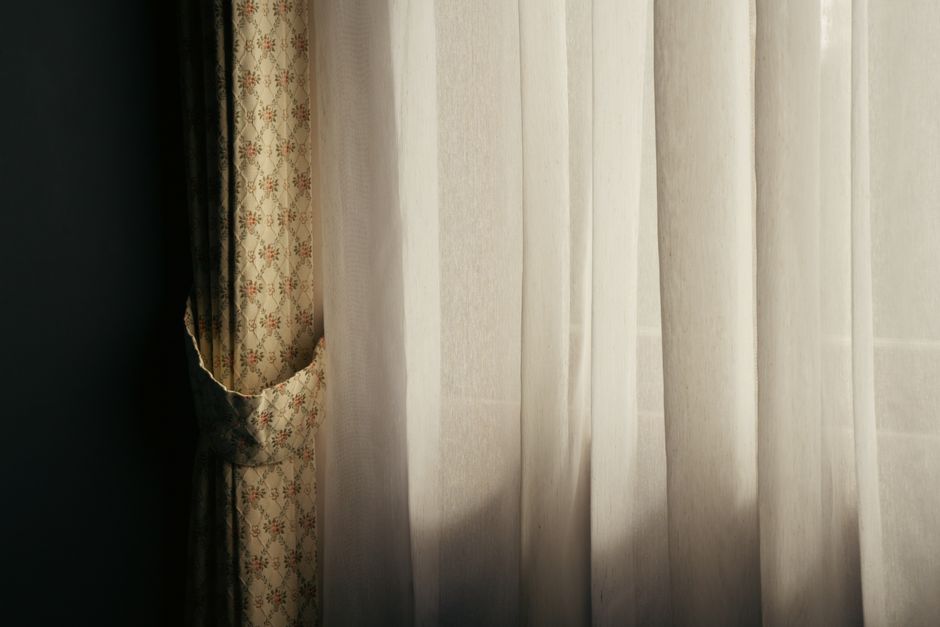
Sheer curtains are lightweight, translucent, and often made from cotton, polyester, or linen blends. They allow natural light to filter through while providing a degree of privacy during the day. Sheers create an ethereal, romantic atmosphere and are perfect for living rooms, dining areas, and conservatories. They can be used alone or layered with heavier curtains for flexible light control.
Velvet Curtains
Velvet is a woven fabric with a dense pile, giving it a luxurious sheen and a soft, plush feel. It is heavyweight and excellent at insulating rooms, blocking drafts, and absorbing sound. Velvet curtains are a classic choice for formal living rooms, bedrooms, and theaters. Available in rich jewel tones and muted earth tones, they add an instant sense of opulence. However, they require proper care to maintain their texture.
Acoustic Curtains
Acoustic curtains are specially engineered to reduce sound transmission. They are made from multiple layers of dense fabric with an inner core, often including foam or mass-loaded vinyl. These curtains are practical for recording studios, offices, and homes near noisy streets. They also offer thermal insulation, making them a versatile addition. Acoustic curtains come in modern, neutral designs that blend well with contemporary interiors.
| Fabric Type | Primary Benefit | Best For | Design Style |
|---|---|---|---|
| Blackout | Blocks light, thermal insulation | Bedrooms, home theaters | Minimalist, modern |
| Sheer | Diffuses light, adds airiness | Living rooms, dining areas | Light, romantic, bohemian |
| Velvet | Luxury texture, insulation, sound absorption | Formal lounges, bedrooms | Classic, luxurious, eclectic |
| Acoustic | Sound reduction, thermal barrier | Offices, studios, noisy areas | Contemporary, utilitarian |
___PROTECTED_2___
Design Concepts and Styles
Now that we understand the fabrics, let's explore specific design concepts that use them effectively. Each concept is a starting point for your creativity, and you can mix and match elements to suit your taste.
Minimalist and Modern
Clean lines and simplicity define this style. Choose blackout curtains in neutral tones like white, gray, or beige with a sleek track system. Hang them from ceiling to floor to elongate the room and create a seamless look. To avoid visual clutter, opt for solid colors and hidden hardware. For windows that don't require blackout, sheer curtains can be added beneath a heavier curtain for depth.
Tip: Use a single panel on each side rather than multiple panels for a modern, streamlined appearance. And consider motorized curtains for ultimate convenience and a tech-forward aesthetic.
Classic and Luxurious
Velvet is the queen of this concept. Rich colors like emerald green, sapphire blue, or burgundy immediately elevate a space. Go for full-length curtains with decorative tie-backs, valances, or swags. Pair velvet curtains with contrasting sheer liners that frame the window during the day. Add gold or brass curtain rods with finials for a traditional touch.
Tip: If you're on a budget, use velvet only on the outer layer and choose a more affordable lining fabric. This still gives the luxurious appearance without the full weight of velvet on every inch.
Eclectic and Layered
For a boho or maximalist look, layer different fabrics and textures. Combine a sheer base layer with colorful blackout curtains, then add a velvet throw over the top for texture. This not only looks visually interesting but also allows you to adjust the amount of light and privacy throughout the day. Use patterned fabrics, fringe trims, or tassels to express your personality.
Tip: Choose a common color palette across layers to keep the ensemble cohesive. For example, mix a white sheer, a mustard yellow blackout, and a rust velvet—all warm tones.
Functional Spaces: Home Office, Theater, and Bedrooms
When designing for specific functions, performance takes precedence. In a home office, acoustic curtains can minimize distracting street noise, while sheer curtains prevent glare on computer screens. In a home theater, blackout curtains are non-negotiable to eliminate any light spill. Combine them with velvet for added soundproofing and a cinema-like atmosphere. In bedrooms, layering blackout with sheer gives flexibility: sheer for daytime privacy, blackout for deep sleep.
Color and Pattern Psychology
The colors and patterns you choose for your curtains have a profound impact on the room's mood. Light colors like white, pastel blue, and soft beige make a room feel larger and more open, ideal for small spaces. Dark colors like navy, charcoal, and deep green add intimacy and warmth, but they can make a room feel smaller if used in excess.
Patterns can also influence perception. Vertical stripes draw the eye upward, making ceilings appear higher. Large florals are romantic but can be overwhelming—reserve them for spaces where you want a statement. Geometric patterns add a modern, dynamic touch. If you're unsure, start with solid curtains and introduce pattern through other accessories like cushions or rugs.
Practical Tips for Curtain Design
- Measure accurately: Always measure the full width and height of your window area. For a luxurious drape, the curtain width should be 1.5 to 3 times the window's width.
- Hang high and wide: Mount the rod 4-6 inches above the window frame and extend it 6-8 inches on each side to make the window appear larger.
- Consider the pleats: Different pleat styles (pencil, pinch, eyelet) affect the curtain's fullness and formality. Pinch pleats look polished, while eyelets are modern.
- Layer for versatility: Combining sheer and blackout curtains gives you ultimate control over natural light and privacy throughout the day.
- Mix textures: Pair velvet curtains with linen sheers or cotton blackout liners to add depth· without overwhelming the senses.
- Use tie-backs strategically: Tie-backs allow more light in when open and create a decorative element. Try magnetic tie-backs for an easy, heat-free option.
Industry Application Cases
Our curtains are used across various industries, and real-world examples illustrate how design concepts translate into practice.
Hospitality: A boutique hotel in Miami uses floor-to-ceiling blackout curtains with a linen texture in all guest rooms. The neutral sand color complements the seaside view, while the blackout fabric ensures guests sleep soundly. The hotel pairs them with sheer inner curtains to allow filtered daylight during the day, giving guests full control.
Corporate Offices: A tech company's open-plan office in Berlin installed acoustic curtains as room dividers. The curtains feature a gray woven material that absorbs sound, reducing echoes and improving concentration. The design also allows easy reconfiguration of the space, as the curtains can be drawn or pushed aside. This approach blended functionality with a sleek, contemporary aesthetic.
Healthcare: A pediatric clinic used colorful velvet curtains in pastel shades to create a warm, welcoming environment. The velvet's insulating and sound-absorbing properties helped maintain a quiet, calm atmosphere, which is crucial for anxious children. The clinic chose wipeable treatments where possible, but velvet proved durable enough with regular cleaning.
Care and Maintenance Essentials
To keep your curtains looking their best, proper care is key. Here are basic guidelines for each fabric type:
- Blackout curtains: Vacuum with a brush attachment weekly. If machine washable, use cold water on a gentle cycle and hang dry. Avoid direct heat when ironing—use a low setting or steam only.
- Sheer curtains: Hand wash or machine wash on delicate with mild detergent. To prevent snags, place them in a mesh laundry bag. Hang to dry; they typically do not need ironing if you smooth them out immediately.
- Velvet curtains: Spot clean with a soft cloth and mild soapy water. Avoid rubbing, which can crush the pile. For deep cleaning, professional dry cleaning is recommended. Always test a small hidden area first.
- Acoustic curtains: Vacuum regularly. If they have a special acoustic layer, do not machine wash—use a professional cleaning service to avoid damage. Some acoustic curtains have a removable outer shell that can be washed separately.
Also, check the care label on your specific product. Different blends and treatments may have unique requirements.
Conclusion
Curtain design is a delicate balance between art and science. By understanding the unique properties of blackout, sheer, velvet, and acoustic fabrics, you can craft spaces that are not only beautiful but also highly functional. From minimalist modern to classic luxury, there is a curtain design concept for every room and every lifestyle. Remember to measure carefully, choose colors and patterns with intention, and care for your investments to enjoy them for years to come. Ready to start your project? Browse our premium selection of curtain fabrics and let your imagination soar.