Introduction
Hospitality decor is all about creating memorable, functional, and inviting spaces that make guests feel at home. Whether you are designing a boutique hotel, a luxury resort, or a corporate event venue, every element matters—especially the window treatments. Curtains do more than cover windows; they set the mood, control light, provide privacy, and even influence acoustics. In this comprehensive guide, we explore creative hospitality decor ideas using fabric curtains, focusing on blackout, sheer, velvet, and acoustic options. We'll provide practical tips, industry insights, and care advice to help you elevate your interior design projects.
___PROTECTED_1___
Why Fabric Choice Matters in Hospitality Interiors
Choosing the right fabric for hospitality curtains goes beyond aesthetics. It affects guest comfort, operational efficiency, and the durability of your investment. High-traffic environments demand materials that withstand constant use, cleaning cycles, and environmental factors like sunlight and humidity. The right fabric can also contribute to energy savings by insulating rooms, reduce noise pollution for restful sleep, and elevate a brand's visual identity. Understanding the unique properties of each fabric type will guide you in making informed design decisions that balance style with practicality.
___PROTECTED_2___
Blackout Curtains – The Backbone of Comfort
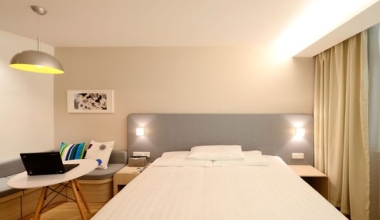
Blackout curtains are a staple in hospitality settings, particularly in hotels and guest houses. Their primary function is to block external light, ensuring guests can sleep soundly regardless of the time of day. However, modern blackout fabrics offer more than darkness. They are designed with thermal insulation properties that help maintain room temperatures, reducing heating and cooling costs. When selecting blackout curtains, consider factors such as opacity, fabric weight, and mounting style. For a seamless guest experience, motorized blackout curtains are recommended, allowing guests to control light with a remote or smart home system. Look for triple-weave blackout fabrics that are soft, durable, and easy to clean. Layering blackout curtains with sheer panels can create a versatile window treatment that offers both privacy and daylight control.
Practical Tips for Blackout Curtains
- Choose curtains with a blackout lining that is also flame-retardant to meet safety regulations.
- Ensure curtains extend beyond the window frame to prevent light leaks.
- Opt for grommet or wave-fold headings for a clean, modern look that is easy to operate.
- Incorporate a track system that allows independent control of blackout and sheer layers.
Sheer Curtains – Effortless Elegance and Light Diffusion
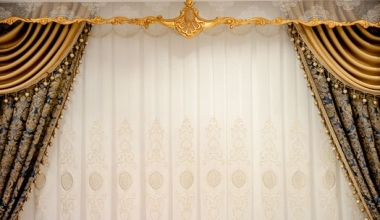
Sheer fabrics add a touch of sophistication and softness to any hospitality space. They allow natural light to filter through while providing a sense of privacy and airiness. In lobbies, restaurants, and lounges, sheer curtains can create an open, welcoming ambience without compromising on style. They are perfect for layering behind blackout curtains, giving guests the option to enjoy soft daylight or complete darkness. Sheer curtains come in a variety of textures, from lightweight voile and organdy to embroidered and patterned options that add visual interest. When choosing sheers, consider the drape and translucency—higher transparency creates an ethereal look, while semi-opaque sheers offer more privacy. For humid climates, select synthetic blends that resist mildew and remain crisp. Regular vacuuming with a low-power setting will keep sheers dust-free and extend their lifespan.
Velvet Fabrics – Luxurious Texture and Sophistication
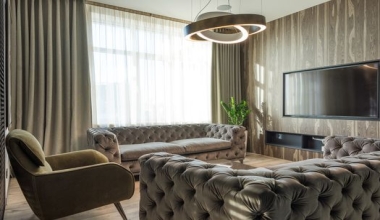
Velvet is the epitome of luxury and is increasingly used in hospitality decor to create statement spaces. With its rich texture and deep colors, velvet adds warmth and opulence to hotel suites, executive lounges, and upscale restaurants. It also provides excellent acoustic absorption, which contributes to a quieter environment. Velvet curtains are available in various compositions, including cotton, silk, and synthetic blends. Synthetic velvets, such as polyester, are more durable and easier to clean, making them suitable for high-traffic areas. When incorporating velvet into your decor, consider the pile direction and its effect on light reflection. Use velvet curtains in eye-catching hues like emerald green, royal blue, or deep burgundy to create a focal point. Because velvet is prone to crushing, avoid placing furniture too close to the curtains and use tie-backs to protect the fabric when drapes are open.
Care Tips for Velvet Curtains
- Dry clean velvet curtains to preserve their texture and shape; avoid machine washing.
- Use a fabric steamer to remove wrinkles without damaging the pile.
- Vacuum gently with a soft brush attachment to remove dust without flattening the velvet.
- Protect velvet from prolonged direct sunlight to prevent fading.
Acoustic Curtains – Reducing Noise for Guest Serenity
Noise pollution can significantly impact guest satisfaction, and acoustic curtains are an effective solution. Made from dense, heavy fabrics with sound-absorbing properties, these curtains minimize noise from outside traffic, adjacent rooms, and HVAC systems. Acoustic curtains are ideal for hotels located in busy city centers, conference rooms, and venues where audio clarity is essential. They are typically constructed with multi-layer materials, such as bonded fabric and felt, which trap sound waves and reduce echo. While acoustic curtains do not eliminate noise entirely, they can reduce sound levels significantly, enhancing comfort and privacy. When choosing acoustic curtains, check their Noise Reduction Coefficient (NRC) rating—the higher the rating, the better the absorption. Hang them with pleated or buckram headings that keep the fabric taut against the wall to maximize sound-blocking effectiveness. For optimal results, combine acoustic curtains with other soundproofing materials like carpets and wall panels.
Practical Tips for Selecting Hospitality Curtain Fabrics
Choosing the right fabric for hospitality environments requires careful consideration of several factors to ensure beauty and performance. Here are key tips:
- Fire Retardancy: Always verify that curtains meet local fire safety standards. Look for permanent flame-retardant treatments or inherently flame-resistant fibers.
- Durability: High-traffic areas require robust fabrics that can withstand pulling, sun exposure, and frequent cleaning. Test abrasion resistance and colorfastness.
- Maintenance: Select fabrics that are stain-resistant and easy to clean. Some fabrics can be machine washed, while others require professional dry cleaning.
- Light Control: Determine the desired level of light in each space and choose materials accordingly—blackout for sleeping areas, sheers for public spaces.
- Insulation: Look for thermal backing to improve energy efficiency and guest comfort.
- Aesthetics: Match fabrics with your interior design theme—neutrals for minimalist styles, bold patterns for eclectic spaces.
Care and Maintenance Best Practices
Proper maintenance extends the life of hospitality curtains and keeps them looking pristine. Develop a routine cleaning schedule based on the fabric type and environmental conditions. For daily maintenance, vacuum curtains with a soft brush to remove dust and prevent dust mites. Avoid using harsh chemicals or abrasive cleaners. For spot cleaning, blot stains with a mild detergent and water—never rub, as this can damage colored fibers. When machine washing is possible, use a gentle cycle with cold water and hang to dry. For delicate fabrics like velvet, always consult the manufacturer's instructions, and consider professional dry cleaning for a flawless finish. Inspect hardware, such as tracks and rings, regularly to prevent wear and tear. Additionally, rotate curtains in seasonal usage areas to avoid uneven fading, and keep spare fabric swatches for repairs or replacements.
Industry Application Cases
| Industry Setting | Recommended Fabrics | Key Benefits |
|---|---|---|
| Boutique Hotel Guest Rooms | Blackout + Sheer layers | Optimal sleep, light control, and elegant ambiance |
| Luxury Resort Lobby | Velvet and decorative sheers | Creates a grand first impression and acoustic comfort |
| Conference Center / Meeting Rooms | Acoustic curtains with blackout lining | Reduced echo for clear presentations; light dimming for AV |
| Restaurant Evening Venue | Blackout or velvet in rich tones | Sets a cozy, intimate mood while managing daylight |
| Hospitality Suites | Motorized blackout + shear | Convenience for guests and energy-saving automation |
These examples demonstrate how different fabric choices can address specific needs. For instance, a boutique hotel aiming for a serene and luxurious feel might invest in motorized blackout curtains with a soft velvet texture. In contrast, a conference center prioritizes acoustic curtains to enhance speech intelligibility and reduce distractions. By aligning fabric choices with functional goals, you can exceed guest expectations and streamline maintenance.
Current Trends in Hospitality Curtain Decor
Staying up-to-date with design trends helps you delight guests and differentiate your property. Currently, sustainability is a major driving force—many brands are offering eco-friendly curtains made from recycled fibers, organic cotton, and low-impact dyes. Smart technology is also gaining popularity, with motorized systems controlled via AI, voice commands, or smartphone apps. In terms of aesthetics, earthy tones, botanical prints, and textured fabrics like linen and boucle are replacing stark minimalism. Another trend is layered window treatments, combining blackout and sheer panels for visual depth. Use biophilic design principles by incorporating natural materials that connect guests with the outdoors. Also, consider modular curtain systems that allow easy replacement of single panels, reducing waste and operational costs.
Conclusion
Hospitality decor ideas revolve around creating spaces that are not only visually appealing but also functional and comfortable. By understanding the unique properties of blackout, sheer, velvet, and acoustic curtains, you can make strategic choices that enhance guest experience, improve energy efficiency, and reinforce your brand's style. From luxurious velvet in lobbies to acoustic panels in conference rooms, the right fabric can transform any environment. Remember to prioritize safety, durability, and maintenance in your selection process. With careful planning and attention to current trends, your hospitality project can achieve a perfect harmony of form and function. For expert advice and high-quality curtain fabrics, explore our range of blackout, sheer, velvet, and acoustic options today.