Large windows are a stunning architectural feature that floods your space with natural light and offers panoramic views. However, dressing these expansive expanses of glass can be a decorating challenge. Too little fabric and they look bare; too much and they can overwhelm the room. The right curtain ideas for large windows can transform them from a design obstacle into the focal point of your home, balancing beauty, privacy, and functionality. Whether you crave airy brightness, cozy darkness, or serene silence, this comprehensive guide explores the best curtain styles, fabrics, and hanging techniques to make your grand windows shine.
Understanding the Scale and Proportion of Large Windows
Before diving into specific curtain ideas, it's crucial to understand how scale and proportion affect your choices. Large windows often serve as the main visual anchor in a room, so your window treatment must complement, not compete with, their size. Consider the following factors:
- Window Height: Tall windows, such as floor-to-ceiling glass, benefit from vertically elongated curtain panels that emphasize the room's height. If your windows are wide but not very tall, use horizontal layering or valances to add visual width.
- Window Width: For expansive picture windows or sliding glass doors, you may need multiple panels. Ensure the gathered fabric is wide enough to look lush and substantial—typically 1.5 to 3 times the window width.
- Room Size: A large window in a small room can eat up visual space. Opt for lightweight, light-colored fabrics to keep the room feeling open. In a large room, you can be bolder with richer colors and heavier fabrics.
- Architectural Style: Match your curtain treatment to the room's architectural vibe. For modern lofts, minimalist rod-and-panel systems work well. For traditional interiors, layering with drapes and valances adds classic elegance.
Taking accurate measurements is the first step to successful large-window dressing. Measure the width of the window and the height from the rod to the floor, accounting for the desired hem and header allowances. For a custom look, extend the rod 12–18 inches beyond the window frame on each side to allow the curtains to be drawn fully clear of the glass, maximizing light and views when open.
___PROTECTED_1___
The Best Curtain Styles for Large Windows
Different styles serve different purposes. The right choice depends on how you use the room and the atmosphere you want to create. Here are the top curtain styles for expansive windows:
Floor-to-Ceiling Elegance with Sheer Curtains
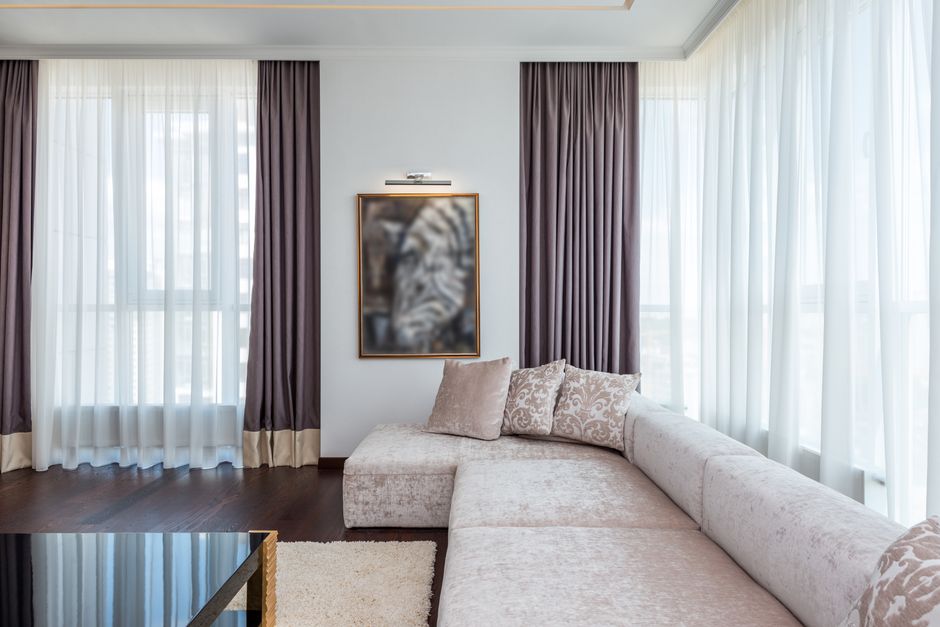
Sheer curtains are a favorite for large windows because they bring in soft, diffused light while offering daytime privacy. Made from lightweight fabrics like voile, organza, or linen-blend sheers, they create an airy, romantic atmosphere that doesn't overwhelm the space.
- Benefits: Sheers make a room feel more spacious, soften harsh sunlight, and protect furniture from UV damage. They are perfect for living rooms, dining areas, and any space where you want a bright, ethereal look.
- Ideal Use: For floor-to-ceiling windows, hang sheer panels from a ceiling-mounted track to create a continuous veil of fabric that mimics the grandeur of the window itself. This works especially well in modern and Scandinavian interiors.
- Pro Tip: Choose a white or ivory sheer with a subtle shimmer to brighten the room. If you need more insulation, opt for a slightly heavier duck sheer or linen blend that offers better thermal control.
Blackout Curtains for Light Control and Insulation
Large windows are notorious for heat gain in summer and heat loss in winter. Blackout curtains are the ultimate solution for both. They feature a dense weave or a special acrylic foam coating that blocks nearly all external light and provides a significant thermal barrier.
- Benefits: These curtains keep bedrooms and home theaters dark for better sleep and movie viewing. They also reduce noise and lower energy bills by stabilizing room temperature.
- Ideal Use: For sliding glass doors facing east or west, blackout panels on a sturdy traversing rod are a practical and stylish choice. Choose double-fold blackout panels that drape smoothly from ceiling to floor.
- Pro Tip: Don't sacrifice aesthetics. Modern blackout curtains come in a wide range of colors and textures, including matte, linen-look, and even velvet-backed styles, so you don't have to settle for clunky institutional designs.
Velvet Curtains for Drama and Acoustic Benefits
If you want to make a bold statement, velvet curtains are the epitome of luxury and drama. Their heavy, plush texture instantly adds warmth and sophistication to any large-windowed room. Velvet also has natural sound-absorbing properties, making it an excellent choice for living rooms and home libraries.
- Benefits: Velvet drapes beautifully, creating deep folds that enhance the scale of tall windows. It also blocks light effectively, especially when lined, and adds a layer of insulation.
- Ideal Use: For a formal living room, pair deep emerald or navy velvet curtains with gold or bronze rods. In a cozier setting, a caramel or blush velvet creates a warm, inviting glow against natural light.
- Pro Tip: Because velvet is heavy, use a reinforced rod with sturdy brackets spaced no more than 24 inches apart to prevent sagging. For extra fullness, order panels that are at least 2.5 times the width of your window.
Acoustic Curtains for Noise Reduction
Large windows can also be a source of unwanted noise from traffic, neighbors, or city life. Acoustic curtains, also known as soundproof curtains, are specially designed to absorb sound waves and reduce echo. They are typically made from multiple dense layers of fabric, often with a felt-like interior and a soft outer face.
- Benefits: Acoustic curtains can reduce noise levels by up to 50%, making them ideal for bedrooms, home offices, and apartments near busy streets. They also offer excellent thermal insulation and light blocking.
- Ideal Use: For very large windows that span an entire wall, install acoustic curtains on a ceiling-mounted track to cover the full area seamlessly. The extra weight requires professional-grade hardware.
- Pro Tip: To maximize sound absorption, ensure the curtains extend at least 6 inches beyond the window edges and puddle slightly at the floor. This prevents gaps where sound can sneak around.
___PROTECTED_2___
Practical Tips for Hanging Curtains on Large Windows
Correct installation is essential for curtains to look their best and function properly. Large windows present unique challenges, so follow these expert tips:
- Choose the Right Rod: Select a rod with a diameter of at least 2 inches to support the heavier fabrics often used on large windows. Decorative rods in iron, steel, or thick wood are both stylish and sturdy. For maximum width, use traverse rods with sliding carriers.
- Mount High and Wide: Always mount the rod 4–6 inches below the ceiling (or at the ceiling line for a dramatic effect). Extend the rod 12–18 inches past the window frame on each side. This makes the window appear broader and allows the curtains to fully clear the glass when open.
- Use Proper Weight Capacity: Check the weight capacity of your rod and brackets. Heavy velvet or acoustic curtains can weigh tens of pounds. Use metal brackets with anchored screws into studs or use toggle bolts for plaster walls.
- Consider Motorization: Large curtains are cumbersome to open and close daily. Motorized systems with remote controls or smart home integration allow you to adjust light and privacy effortlessly. This is a worthwhile investment for hard-to-reach high windows.
Layering Curtains for Style and Function
One of the most effective ways to dress large windows is to layer multiple types of curtains. This gives you the flexibility to adapt to different times of day and moods. Here are two popular layering strategies:
- Sheer + Blackout: Hang sheer panels nearest to the window for diffused daytime light and privacy, then mount a decorative rod slightly outside the sheers for blackout panels. During the day, close only the sheers; at night, close the blackouts for total darkness. This combination is perfect for living rooms and bedrooms.
- Velvet + Acoustic: For ultimate luxury and silence, pair a layer of acoustic curtains (against the glass) with an outer layer of velvet drapes. The acoustic layer absorbs noise and blocks drafts, while the velvet provides the visual finish. Use a double rod system or two separate rods mounted at different heights.
Layering also adds depth and texture to a room. Mixing materials—like a nubby linen with a smooth silk or a matte cotton with a shiny velvet—creates visual interest that is especially welcome in minimalist spaces.
Choosing Fabrics and Patterns for Large Windows
The fabric and pattern you choose can dramatically alter the perception of your large windows. Here are some guidelines:
- Light Colors Expand: White, cream, pastel, and other light-colored curtains reflect light and make a room feel larger. They are ideal for small rooms with large windows, as they keep the eye from being drawn to the window's mass.
- Dark Colors Ground: Deep charcoal, navy, or forest green curtains create a cozy, intimate feel and can anchor a large room. They also make the windows recede visually, which is a great trick for facing an unattractive view.
- Bold Patterns Make a Statement: Large-scale patterns or vertical stripes add interest and can elongate short windows. If you have extremely wide windows, consider repeating a pattern across multiple panels to achieve a seamless look.
- Texture Adds Warmth: Texture is the new neutral. Boucle, tweed, or strie weaves give depth without overwhelming the space. These textures work beautifully in farmhouse, mid-century, and contemporary interiors.
When selecting fabric for large windows, also think about maintenance. Lighter fabrics may show dust and dirt more easily, while velvet and dark colors hide stains well. If you have pets or children, opt for washable fabrics or add a protective lining.
Curtain Care and Maintenance for Large Windows
Large curtains require extra attention to keep them looking their best. Follow these care tips:
- Vacuum Regularly: Use a soft brush upholstery attachment on your vacuum to remove dust from both sides of the fabric. Do this weekly to prevent dirt from embedding in the fibers.
- Check Cleaning Labels: Sheer and polyester curtains may be machine washable on cold, but velvet and acoustic curtains often require professional dry cleaning. Always read the label before attempting any wash.
- Steam or Iron Carefully: To remove wrinkles, use a handheld steamer while the curtains are hanging. Avoid ironing velvet or acoustic materials, as pressure can crush the pile or foam backing.
- Rotate and Fluff: If your curtains are overly long or puddle, they can flatten in certain spots. Give them a shake and rotate the panels occasionally to distribute wear evenly.
- Protect from Solar Damage: Even though many curtains block UV rays, prolonged direct sunlight can fade the fabric over time. Consider adding a sheer UV-protective underlayer to extend the life of your expensive drapes.
Professional Installation and Cost Considerations
Due to their size and weight, professional installation of large window curtains is often worth the cost. A professional can ensure that your rods are securely anchored, the curtains hang perfectly even, and the operation runs smoothly. They can also advise on custom solutions, such as curved rods for bay windows or traversing systems for heavy fabric.
The cost of curtains for large windows varies greatly depending on material, size, and brand. Sheer curtains are typically the most affordable, while custom velvet or acoustic curtains can be a significant investment. To save money, consider purchasing ready-made panels in multiple widths and splicing them together behind a center overlap. You can also repurpose long panels by adding a band of contrasting fabric to the bottom hem.
Remember that curtains are not just a decorating afterthought—they are functional investments in your comfort and energy efficiency. With proper care and installation, high-quality curtains will last for decades, making them a smart long-term enhancement for your home.
Conclusion
Large windows deserve equally grand curtain ideas. Whether you choose airy sheers to celebrate the light, dramatic velvet for a touch of opulence, or specialized blackout and acoustic panels for utility, the key is to balance form and function. Take your time to measure, select the right fabrics, and consider layering for maximum versatility. By following the tips in this guide, you can turn your large windows into a breathtaking focal point that elevates the entire room. And if you're ever unsure, consult with curtain professionals who can help you bring your vision to life—your large windows will thank you.