When it comes to home comfort and interior preservation, curtains do far more than frame a window. They control light, create ambiance, and—most importantly—shield your furniture, flooring, and family from the sun's harmful ultraviolet (UV) rays. This comprehensive sun protection guide will walk you through the best curtain fabrics, key selection factors, and essential care routines to keep your curtains performing at their peak for years to come.
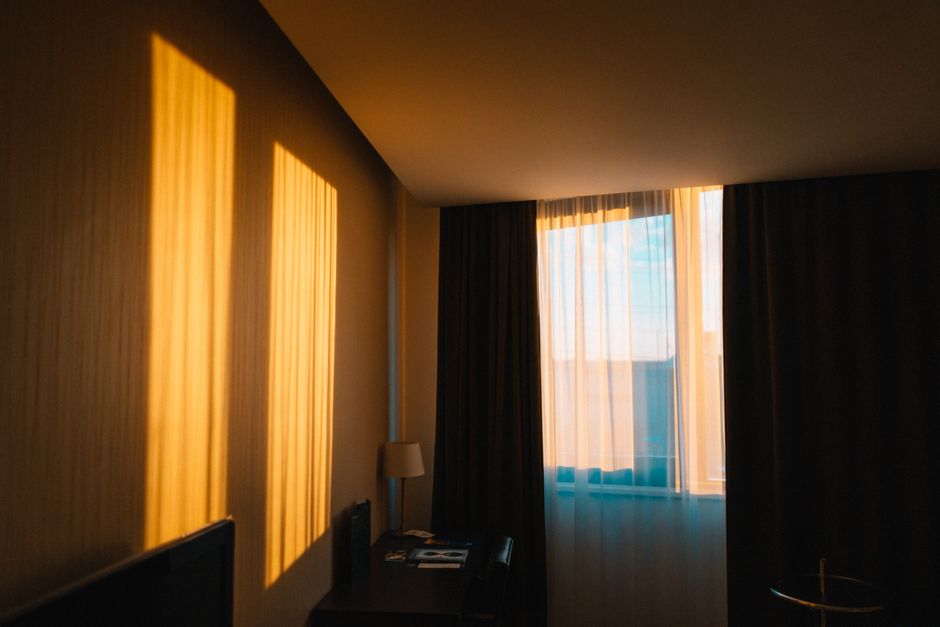
Why Sun Protection for Curtains Matters
Continuous exposure to sunlight doesn't just cause glare; it silently damages your belongings. UV radiation is the primary culprit behind faded upholstery, discolored wood floors, and brittle plastic fixtures. It also accelerates the deterioration of curtain fibers themselves, causing them to weaken, fade, or even tear prematurely.
Moreover, solar heat gain can raise indoor temperatures significantly, forcing your air conditioner to work harder and inflating your energy bills. Sun-protective curtains act as a barrier, reducing heat transfer and helping maintain a stable indoor climate. For health, blocking UV rays also protects your skin when you're relaxing near a window.
___PROTECTED_1___
Best Curtain Fabrics for Sun Protection
Not all curtain fabrics offer the same level of sun defense. Here's how different materials stack up:
1. Blackout Curtains
Blackout curtains are the undisputed champions of sun protection. They are engineered with multiple layers of tightly woven fabric, often including a specialized acrylic foam coating or an opaque backing. This construction prevents nearly all UV rays and visible light from passing through. Blackout curtains are ideal for bedrooms, media rooms, and any space where darkness is essential. They also provide excellent thermal insulation, keeping rooms cooler in summer and warmer in winter.
2. Sheer Curtains
Sheer curtains are lightweight and translucent, offering a soft, ethereal aesthetic. While they do not block all sunlight, they filter and diffuse UV rays, reducing their intensity by about 30% to 50%. This makes sheers an excellent first line of defense when paired with blackout or velvet curtains. They allow natural light to flood the room while minimizing the risk of sun damage to your floors and furniture.
3. Velvet Curtains
Velvet curtains, with their dense pile and heavy weight, naturally provide moderate to high sun protection. The thick, plush fibers trap light and UV radiation, making them a stylish yet functional choice for living rooms and formal spaces. Darker velvet shades absorb more light, while lighter shades reflect it—both help reduce UV penetration. Velvet also adds a layer of acoustic insulation, similar to acoustic curtains.
4. Acoustic Curtains
Acoustic curtains are primarily designed for sound reduction, but they also offer substantial sun protection. Typically made from triple-weave or multi-layer fabrics, they are dense and opaque, blocking up to 99% of UV rays. Because they are designed to absorb sound, they also absorb and dissipate solar heat, making them a versatile option for home theaters, recording studios, and even urban apartments where both noise and heat are concerns.
| Fabric Type | UV Blocking % | Light Filtering | Best Use |
|---|---|---|---|
| Blackout | 95-100% | None (full darkness) | Bedrooms, nurseries, media rooms |
| Sheer | 30-50% | Diffused soft light | Layering, living rooms, dining areas |
| Velvet | 70-90% | Minimal to none | Formal living spaces, winter insulation |
| Acoustic | 90-99% | Very low to none | Home theaters, offices, noise reduction |
___PROTECTED_2___
How to Choose Sun-Protection Curtains
Selecting the right curtains for sun protection involves more than just picking a fabric. Consider the following factors to make the best choice for your space:
- Orientation of the window: South-facing windows receive intense, direct sunlight most of the day, so opt for blackout or acoustic curtains. East- and west-facing windows benefit from velvet or even a combination of sheer and blackout layers. North-facing windows rarely need heavy protection; a light sheer may be enough.
- Color and density: Darker fabrics absorb more heat and light, while lighter colors reflect them. For maximum UV blocking, choose a dense fabric with a tight weave. If you prefer lighter shades, look for curtains with a built-in UV-resistant coating.
- Lining: A thermal or blackout lining can instantly upgrade any curtain fabric. Even a delicate silk or cotton curtain can become sun-protective when lined. Linings also add insulation and improve drape.
- Mounting and coverage: For full protection, install curtain rods wide enough to extend beyond the window frame, and hang curtains close to the ceiling. This prevents UV rays from leaking in through the sides and top.
Caring for Sun-Protection Curtains
Proper care is essential if you want your curtains to maintain their UV-blocking abilities over time. Here are some expert tips:
Regular Dusting and Vacuuming
Dust and grime can clog the fibers of your curtains, reducing their effectiveness and making them look dingy. Use a hand-held vacuum with a brush attachment once a week to gently remove surface dust. For delicate sheer or velvet, consider using a fabric shaver or a lint roller.
Cleaning Instructions
- Blackout curtains: Most blackout curtains are machine washable on a gentle cycle with cold water. However, always check the care label—some with special coatings should be dry-cleaned only to prevent cracking or peeling of the backing.
- Sheer curtains: Hand wash or use the delicate cycle with mild detergent. Never wring them out; instead, press out excess water and hang to dry.
- Velvet curtains: Velvet is delicate and prone to crushing. Always dry-clean velvet curtains, or spot clean using a soft cloth and mild soap. Avoid using too much water, as it can cause shrinkage or staining.
- Acoustic curtains: Due to their multi-layer construction, acoustic curtains are best professional cleaned to avoid damaging the sound-absorbing properties.
Avoid Sun Damage to Your Curtains Themselves
Ironically, curtains meant to protect you from the sun can also suffer from it. Even UV-resistant curtains will eventually fade if exposed to intense light. To extend their life, use a sheer curtain or a valance to shield the main curtain from direct sunlight, especially during peak hours. Also, consider rotating your curtains (if you have two pairs) to distribute fading evenly.
Reapply UV Protection Treatments
Some fabrics can be treated with a UV-blocking spray or fabric finish. These treatments wear off over time, especially after washing. You can reapply a fabric-safe UV protectant every 6-12 months to bolster sun defense. Always test on a small, inconspicuous area first.
Additional Tips to Enhance Sun Protection
Beyond the curtains themselves, you can take a multi-layered approach to protect your interior:
- Use window film: Solar window films block up to 99% of UV rays and can be applied directly to the glass. They work well with sheer curtains, adding protection without compromising light.
- Add blinds or shades: Combining curtains with honeycomb or cellular shades creates an insulating pocket of air that reduces heat gain and blocks UV light even more effectively.
- Install awnings or external shades: For extreme sun exposure, consider outdoor solutions. Awnings block sunlight before it reaches your window, reducing heat and UV damage significantly.
- Strategically place reflective interior blinds: Reflect sunlight away from the room while still letting in a soft glow.
Industry Applications and Case Studies
Sun-protective curtains are not just for homes; they play a critical role in many industries:
- Hotels and hospitality: Blackout curtains are a must for hotel rooms to ensure guests get quality sleep regardless of the time of day. They also protect expensive furnishings from UV fading.
- Healthcare facilities: Sun-sensitive patients, especially in recovery rooms, benefit from acoustic and blackout curtains that also reduce noise and maintain a calm environment.
- Retail stores: UV protection is crucial for merchandise, especially clothing, leather goods, and artwork. Velvet or lined curtains not only protect but also add an upscale look to window displays.
- Museums and galleries: To preserve precious artifacts and paintings, museums use blackout and UV-filtering curtains to control ambient light levels. Acoustic curtains might also be used to manage sound in large exhibition halls.
- Offices and co-working spaces: Reducing glare on screens is essential. Layered sheer and blackout curtains allow employees to adjust light levels, while acoustic curtains help minimize noise distractions.
Frequently Asked Questions
Do blackout curtains protect against UV rays?
Yes, high-quality blackout curtains are specifically designed to block both visible light and UV radiation. They often feature a special backing that absorbs or reflects up to 99% of UV rays, making them ideal for protecting furniture and improving sleep.
Can sheer curtains provide any sun protection?
Absolutely. While sheer curtains do not block all sunlight, they diffuse UV rays and reduce their intensity. They are most effective when used as a layer behind heavier curtains, or on their own in rooms with limited sun exposure.
Is velvet a good choice for hot climates?
Velvet may feel heavy and warm, but its dense weave actually helps block heat from entering the room. In hot climates, choose lighter-colored velvet with a light-reflective lining to maximize sun protection without trapping heat.
How often should I wash sun-protection curtains?
It depends on your environment. For most homes, a thorough cleaning every 3 to 6 months is sufficient. If you live in a dusty area or have allergies, clean more frequently—but always follow the manufacturer's care instructions to avoid damaging the UV treatment.
Conclusion
Investing in the right sun-protection curtains is a smart way to preserve your interiors, reduce energy costs, and enhance your comfort. Whether you choose the total blackout of acoustic curtains, the elegance of velvet, or the versatility of layered sheers, matching the fabric to your needs and maintaining it properly will ensure long-lasting performance. Use this guide to make an informed decision, and remember: caring for your curtains today means a brighter (and safer) tomorrow.
Still have questions? Explore our full range of sun-protective curtain fabrics or contact our experts for personalized advice. Your home—and your skin—will thank you.