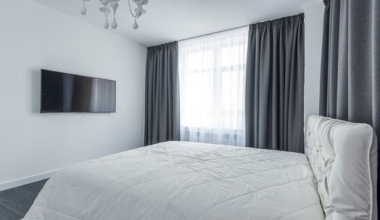
Mold on curtains is a common but often overlooked household problem. Not only does it ruin the appearance of your window treatments, but it can also trigger allergies, asthma, and respiratory issues. Curtains provide an ideal breeding ground for mold because they absorb moisture from the air, trap dust, and are often left undisturbed for long periods. Whether you have luxurious velvet drapes, practical blackout curtains, or airy sheers, mold can strike any fabric if conditions are right. In this comprehensive guide, we'll show you exactly how to prevent mold on curtains, what to do if mold has already taken hold, and which fabrics are naturally more resistant to fungal growth.

Why Curtains Get Moldy: Causes and Risk Factors
Mold thrives in environments that are warm, damp, and poorly ventilated. Curtains, especially those in bathrooms, kitchens, and basements, are constantly exposed to humidity and moisture. Understanding the underlying causes of mold growth is the first step to preventing it.
High Humidity Levels
When indoor humidity exceeds 60%, moisture condenses on cold surfaces like windows and then transfers to the fabric of nearby curtains. This sustained dampness creates a perfect habitat for mold spores already present in household dust.
Poor Air Circulation
Curtains often hang close to walls and windows, restricting airflow. Without proper ventilation, moisture remains trapped against the fabric, allowing mold colonies to develop and spread quickly.
Dust and Dirt Accumulation
Mold spores attach themselves to dust particles. Curtains act as giant air filters, trapping pollen, dead skin cells, and other organic matter. This layer of dirt provides a nutritious food source for mold, especially when combined with moisture.
Leaks and Condensation
Window leaks, poor seals, or even everyday condensation from cooking and showering can wet your curtains repeatedly. Over time, the constant wetness breaks down the fabric fibers and makes them even more susceptible to fungal growth.
___PROTECTED_1___
How to Prevent Mold on Curtains
Prevention is always easier than cure. By adopting a few simple habits and making some smart choices, you can keep your curtains mold-free for years to come.
1. Control Humidity Levels
Keep your home's relative humidity between 30% and 50%. Use a hygrometer to monitor levels. In damp spaces like basements or laundry rooms, run a dehumidifier, especially during warmer months. Air conditioners also help reduce moisture while cooling is in use.
2. Ensure Proper Ventilation
Open windows daily for at least 10-15 minutes to let fresh air circulate. Use exhaust fans in bathrooms, kitchens, and laundry rooms to expel moist air. If you have double-glazed windows, make sure the weep holes are not blocked.
3. Allow Sunlight In
Sunlight is one of nature's best mold killers. During the day, pull back your curtains to expose them to direct sunlight for at least an hour. The UV rays kill mold spores and dry out any residual moisture.
4. Vacuum and Dust Regularly
Use a vacuum cleaner with a brush attachment to remove dust and dirt from your curtains every week. This eliminates the food source for mold. Also, wipe windowsills and frames frequently to prevent dust accumulation.
5. Avoid Drying Clothes Indoors
Drying clothes on radiators or racks in the same room as your curtains can dramatically increase humidity. If you must dry indoors, use a well-ventilated area and keep the door closed, or better yet, use a tumble dryer.
6. Treat Windows Against Condensation
Apply anti-condensation film to your windows, or use a squeegee to remove water droplets each morning. This simple step prevents moisture from soaking into your curtain fabric.
7. Use Mold-Resistant Curtain Liners
If you live in a particularly humid climate, consider adding a mold-resistant liner behind your decorative curtains. These liners are treated with antifungal agents and create a barrier between the window and the fabric.
8. Choose Mold-Resistant Fabrics
When buying new curtains, opt for synthetics like polyester or treated natural fabrics. Some fabrics are naturally more resistant to moisture and mold, but they still require proper care.
___PROTECTED_2___
Step-by-Step Cleaning and Treatment for Mold-Affected Curtains
If you discover mold on your curtains, act quickly. The longer it sits, the deeper the mold penetrates the fabric. Follow these steps to remove mold and save your curtains.
What You'll Need
- Rubber gloves
- Protective mask (N95 recommended)
- Vacuum with a HEPA filter
- Soft brush
- White vinegar or diluted bleach (for whitening only)
- Baking soda
- Warm water and mild detergent
Cleaning Method for Washable Curtains
First, take the curtains outside or to a well-ventilated area to avoid spreading spores indoors. Vacuum both sides with a HEPA filter vacuum to remove loose mold spores. Then, mix a solution of equal parts warm water and white vinegar. Test it on a hidden area first to ensure colorfastness. Gently blot the mold stains with a soft cloth dipped in the solution. Rinse thoroughly with clean water. Wash the curtains on a gentle cycle using a mild detergent and a cup of vinegar instead of fabric softener. Hang them to dry in direct sunlight if possible.
Cleaning Method for Dry-Clean Only Curtains
For delicate fabrics like velvet or treated blackout curtains, do not attempt to wash them at home. Instead, take them to a professional dry cleaner and inform them about the mold. They use specialized solvents that kill mold spores without damaging the fabric.
Treating Stubborn Mold Spots
If vinegar doesn't do the trick, make a paste of baking soda and water. Apply it to the affected area and let it sit for 30 minutes. Scrub gently with a brush, then rinse. For white cotton curtains, you can use a diluted bleach solution (1 part bleach to 3 parts water), but always test first and never mix bleach with vinegar or other cleaners.
Post-Cleaning Mold Prevention
After cleaning, treat your curtains with a store-bought antimicrobial fabric spray or a homemade solution of tea tree oil and water (10 drops per cup). This adds a protective barrier that discourages future mold growth.
Curtain Fabrics and Mold Resistance: A Comparison
Different fabrics offer varying levels of mold resistance. Here's a quick guide to help you choose mold-resistant curtains for your home.
| Fabric Type | Mold Resistance | Why | Care Tips |
|---|---|---|---|
| Blackout Curtains | Moderate | Generally made of polyester or acrylic with a foam backing. The backing can trap moisture if not breathable. | Vacuum weekly. Spot clean spills immediately. Do not iron the backing. Allow to dry completely. |
| Sheer Curtains | Low to Moderate | Lightweight and breathe easily, but they absorb humidity from the air quickly. | Wash monthly with vinegar. Don't use fabric softener. Hang them fully stretched to dry. |
| Velvet Curtains | Low | Heavy and thick, velvet retains moisture for long periods. It's also prone to staining and needs professional care. | Dry clean only. Avoid exposure to steam or high humidity. Use a dehumidifier in the room. |
| Acoustic Curtains | High | Often made with multiple layers of dense synthetic materials that are treated for mildew resistance. Good for soundproofing and they often have moisture barriers. | Check manufacturer instructions. Some can be spot cleaned; others need dry cleaning. Ensure they are not compressed when stored. |
Special Considerations for Different Room Types
Not all rooms are created equal when it comes to mold risk. Here's how to adapt your prevention strategy for different areas of your home.
Bathroom Curtains
Bathrooms are the highest risk zone for mold on curtains. Use a shower curtain made of plastic or vinyl, which doesn't absorb water. For window curtains in bathrooms, choose polyester or nylon sheers that you can wash weekly. Run the exhaust fan during and 30 minutes after every shower. Keep the curtain pulled back during the day to allow airflow.
Kitchen Curtains
Cooking releases steam and grease, which can cling to fabrics and promote mold. Use a range hood that vents outdoors. Wash kitchen curtains every two weeks, and dry them in the sun to kill leftover spores. Consider installing shutters or blinds instead of fabric curtains if you cook frequently.
Basement Curtains
Basements are naturally humid and often have poor ventilation. If you have curtains down there, opt for acoustic or blackout types with mold-resistant backing. Use a dehumidifier set to 50% humidity. Inspect the walls near the curtains for signs of water seepage regularly.
When to Replace vs. Clean Moldy Curtains
If mold covers a large area, penetrates deep into the fabric, or has a musty odor that persists after cleaning, it's time to replace the curtains. Washing may not remove every mold spore, and the spores can remain active and re-infest your home. Also, if you or family members suffer from allergies, buying new curtains is the safer option.
On the other hand, you can salvage curtains with small, localized mold spots if you treat them immediately. Always follow the cleaning steps above and ensure the fabric is completely dry before hanging again. If the mold has damaged the fabric's integrity, such as causing holes or weakening the weave, replacement is inevitable.
Conclusion: Proactive Care Is Your Best Defense
Curtain mold prevention is all about maintaining a dry, clean, and well-ventilated environment. By controlling humidity, cleaning your curtains regularly, and choosing the right fabric for the right room, you can significantly reduce the risk of mold growth. Remember to react quickly at the first sign of moisture or mildew – a few extra minutes of care now can save you the expense and hassle of replacing expensive window treatments later. So, adopt these tips today and enjoy fresh, beautiful, and mold-free curtains for years to come.