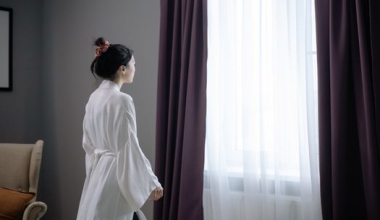
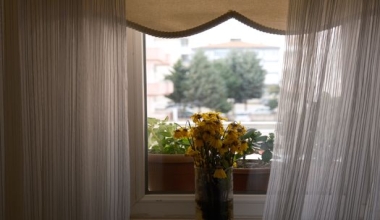
Curtains are a significant investment in your home or business, contributing to aesthetics, privacy, and even acoustics and energy efficiency. However, their exposure to sunlight, dust, moisture, and everyday wear means they will eventually show signs of age if not properly cared for. curtain fabric preservation is not just about keeping them looking their best—it is about extending their lifespan, maintaining their functional properties (like blackout or acoustic performance), and protecting your investment. This comprehensive guide will walk you through best practices for preserving a variety of curtain fabrics, from delicate sheers to heavy velvets and high-tech acoustic panels.
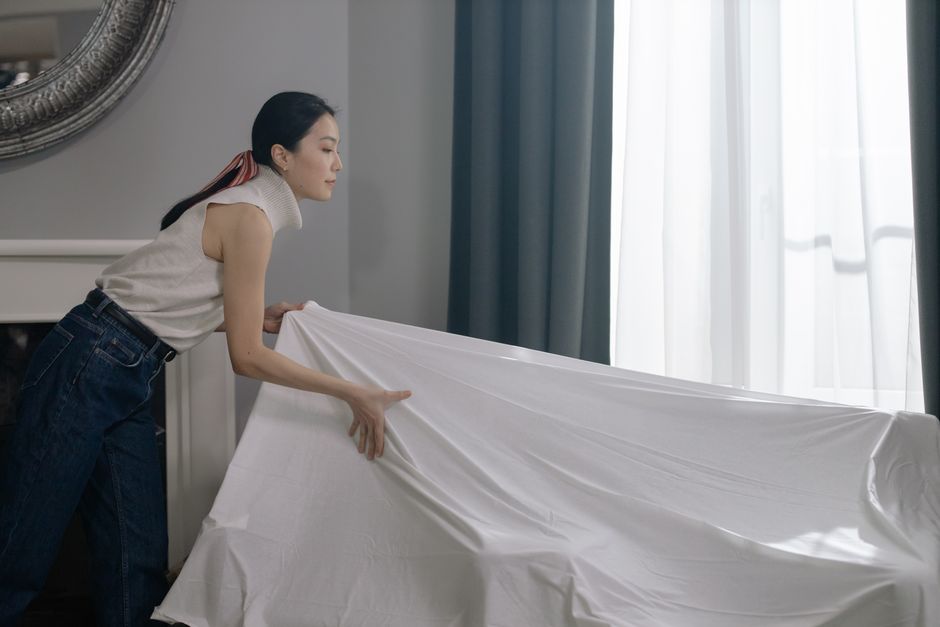
Understanding Fabric Degradation
Before diving into preservation techniques, it’s essential to understand what causes curtain fabrics to degrade over time. The primary culprits include:
- UV Radiation: Prolonged exposure to sunlight can fade colors, weaken fibers, and cause brittle spots, especially in natural fabrics.
- Dust and Dirt: Airborne particles settle on fabrics, embedding themselves in the weave and acting as abrasives that damage fibers over time.
- Moisture and Humidity: Damp conditions promote mold and mildew growth, which not only discolors fabric but also deteriorates its structural integrity.
- Heat and Temperature Fluctuations: Radiators, air conditioners, and direct sunlight can cause fibers to expand and contract, leading to warping or cracking, particularly in coated or laminated fabrics.
- Physical Stress: Opening and closing curtains, pulling on cords, and friction against window sills can create wear and tear, especially at the edges and folds.
Understanding these factors allows you to take proactive steps to mitigate their effects and preserve your curtains for years to come.
___PROTECTED_1___
General Preservation Tips for All Curtain Fabrics
No matter the fabric type, there are universal strategies you can adopt to slow down degradation:
Regular Dusting and Vacuuming
Dust is the number one enemy of curtain fabrics. Use a soft brush attachment on your vacuum cleaner at a low suction setting to remove loose dust and debris. For delicate fabrics like sheers, you can use a handheld clothes steamer to gently release dust without direct contact. Aim to vacuum your curtains at least once a month—more frequently in dusty environments or homes with pets.
Protect from Direct Sunlight
Even sheer curtains are not entirely UV-proof. Consider installing UV-filtering window films or using a secondary lining to reduce exposure. Alternatively, adjust your curtain positioning throughout the day to minimize harsh sunlight during peak hours. Rotating curtains seasonally can also prevent one side from fading more than the other.
Manage Moisture
Keep relative humidity in the room below 60% to prevent mold and mildew. Ensure good ventilation, especially in kitchens and bathrooms, where moisture levels are higher. If your curtains do get damp, allow them to air dry completely before closing them to avoid creases and odor.
Avoid Abrasive Contact
Keep furniture, plants, and heat sources away from the fabric. Some curtain fabrics, like velvet, are particularly prone to crushing and flattening when compressed. Use tiebacks or holdbacks that do not pinch the fabric, and choose smooth fixtures to prevent snags.
___PROTECTED_2___
Preserving Blackout Curtains
Blackout curtains are specially designed to block out light, often with multiple layers or a foam or acrylic coating on the back. This makes them heavier and more delicate in some ways.
Cleaning Do’s and Don’ts
- Do: Vacuum both sides gently to remove dust. For spot cleaning, use a damp cloth with a mild detergent and test on an inconspicuous area first.
- Don’t: Machine wash or dry clean blackout curtains unless the manufacturer specifically states it is safe. The coating can crack, bubble, or delaminate when subjected to heat and agitation.
- Don’t: Iron them—high heat can melt the coating and permanently damage the fabric.
Preventing Coating Degradation
The blackout coating is vulnerable to creasing and cracking. Avoid folding the curtains tightly for long periods. If you need to store them, roll them loosely on a cardboard tube or hang them in a breathable garment bag. Additionally, keep them away from radiators and other heat sources that can dry out the coating.
Preserving Sheer Curtains
Sheer curtains are prized for their light, airy look, but their delicate fibers (often cotton, polyester, or voile) require special care to maintain their transparency and drape.
Gentle Cleaning Techniques
Hand washing is often the safest method. Use lukewarm water and a mild detergent designed for delicates. Avoid wringing or twisting—instead, gently squeeze out excess water and lay flat to dry. For synthetic sheers, you may machine wash on a delicate cycle with a mesh laundry bag, but always check the care label.
Preventing Snags and Tears
Sheer curtains are prone to catching on nails, rough windowsills, or jewelry. When handling them, remove any rings or bracelets. Use a protective finial on the rod ends and ensure the fabric is not rubbing against the floor or a radiator.
Sunlight Fading
Because sheers are typically light-colored and semi-transparent, they are highly susceptible to fading. Consider using a window film to block a portion of UV rays, and rotate the curtains so that both sides receive equal exposure. If possible, have two sets and alternate them seasonally—this also allows you to wash and repair each set thoroughly.
Preserving Velvet Curtains
Velvet is a luxurious, plush fabric that adds sophistication to any room. However, its raised pile is easily crushed, faded, and matted if not properly cared for.
Dealing with Crushing and Matting
To revive crushed velvet, use a garment steamer or hold a steam iron a few inches away from the fabric—never press directly. Gently brush the pile upward with a soft-bristled brush (like a clothes brush) while the steam softens the fibers. If the fabric is heavily crushed, professional cleaning may be required.
Cleaning Velvet
Velvet is highly absorbent and can be damaged by water and many solvents. Vacuuming with an upholstery attachment is the best regular maintenance. For spills, blot immediately with a dry, clean cloth—do not rub. Always consult a professional cleaner experienced with velvet before attempting any wet cleaning.
Protecting the Pile from Light and Abrasion
Velvet is notoriously prone to fading. Install a blackout lining behind the curtain to protect the fabric from sunlight, or choose a velvet with a fade-resistant finish. Additionally, avoid placing anything on top of the curtains or folding them in ways that create sharp creases. When storing, roll velvet curtains with a soft cloth between layers to prevent pile crushing.
Preserving Acoustic Curtains
Acoustic curtains are specially constructed to absorb sound, typically using dense, multi-layered fabrics or specialized technical textiles. Their performance depends on the integrity of these layers.
Maintaining Acoustic Performance
Dust accumulation can clog the micro-pores that absorb sound, reducing effectiveness. Regular vacuuming with a brush attachment is crucial. Avoid washing acoustic curtains unless the manufacturer explicitly approves it—most have a coating or interlining that will degrade in water. Spot clean with a dry cleaning sponge or foam cleaner designed for upholstery.
Handling and Installation Care
Acoustic curtains are heavy and must be hung from a sturdy track or rod. Improper installation can stress the fabric and cause tearing at the grommets or headings. Always use the recommended number of pleat hooks or rings, and ensure the fabric is evenly distributed. Avoid pulling the curtains aggressively—lift them gently from the bottom when opening or closing to reduce strain on the top edge.
Cleaning and Maintenance Schedule
To keep your curtains in peak condition, follow this simple maintenance schedule. Adjust the frequency based on your environment and the fabric type.
| Frequency | Task | Recommended Fabrics |
|---|---|---|
| Weekly | Light dusting with a soft brush or vacuum with low suction | All fabrics, especially sheers and velvets |
| Monthly | Vacuum both sides of the curtain and inspect for spots or damage | All fabrics |
| Quarterly | Spot clean with appropriate method; remove and shake out dust | Blackout, acoustic, and heavy drapes |
| Annually | Deep clean (professional or per care label); ventilate and air out | All fabrics, with special attention to velvet and sheer |
Storage and Seasonal Care
If you swap curtains seasonally or need to store them, proper storage prevents irreversible damage.
- Clean Before Storing: Always clean your curtains before putting them away. Even invisible dust and oils can attract pests and cause yellowing over time.
- Use Breathable Bags: Avoid plastic garment bags, which trap humidity and cause mildew. Instead, wrap curtains in a white cotton sheet or use a canvas storage bag.
- Roll, Don’t Fold: For velvet and blackout fabrics, folding creates permanent creases. Roll them around a cardboard tube or pool noodle, and place them flat in a dry, dark cupboard.
- Avoid Moth Damage: Add natural moth repellents like cedar balls or lavender sachets to the storage area. Check periodically for signs of insects.
Professional Restoration Options
Sometimes, despite your best efforts, curtains need professional intervention. If you notice strong staining, fading, or fabric distortion, consult a expert textile cleaner or restorer. They can:
- Re-dye or color-correct faded fabrics.
- Repair tears, frayed hems, or damaged headings.
- Re-apply coatings for blackout or acoustic curtains.
- Restore crushed velvet pile using specialized steam techniques.
Professional cleaning is particularly recommended for velvet and acoustic curtains—the risk of shrinkage, texture change, or functional loss is high if you attempt to wash them yourself. Always ask for a fabric sample test before entrusting them with your full curtains.
Conclusion
Preserving your curtain fabrics is an ongoing commitment that pays off in both aesthetic appeal and long-term savings. By understanding the unique needs of blackout, sheer, velvet, and acoustic fabrics, and by implementing regular cleaning, proper handling, and smart storage, you can extend the life of your curtains and maintain their functionality for many years. Remember, prevention is always better than cure—so start incorporating these preservation tips today and enjoy beautiful, durable curtains that continue to enhance your space.
For more expert care advice and high-quality curtain fabrics, explore our buying guides or contact our specialists for personalized recommendations.