Curtain hardware may be the unsung hero of window treatments. Without the right rods, tracks, rings, and brackets, even the most luxurious blackout or acoustic curtain fabrics will hang poorly, sag, or fail to function effectively. This comprehensive guide will walk you through everything you need to know about curtain hardware — from rod types and materials to installation tips and weight considerations — so you can achieve a polished, professional look that lasts.
Why Curtain Hardware Matters
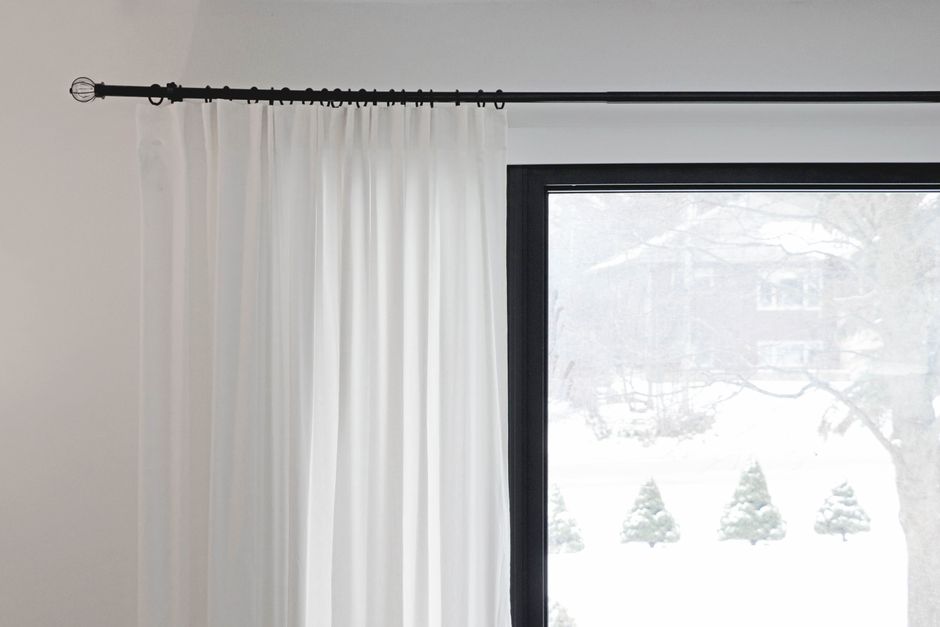
Curtain hardware is more than just a functional necessity; it defines how your curtains drape, how easily they open and close, and even the overall aesthetic of a room. The right hardware can make inexpensive curtains look custom, while the wrong choice can ruin the effect of premium velvet or acoustic fabric. Beyond aesthetics, hardware plays a critical role in supporting the weight of specialized curtains, ensuring smooth operation, and preventing damage to your walls or window frames.
___PROTECTED_1___
Types of Curtain Rods
There are several types of curtain rods, each suited to different window styles, curtain types, and functional needs. Understanding the differences helps you select the best option for your space.
Single Rods
Single rods are the most common choice. They hold one layer of curtains, such as sheer or blackout panels. They come in a variety of diameters, from slim decorative rods to heavy-duty styles capable of supporting dense velvet. Single rods are ideal for simplicity and minimalism.
Double Rods
Double rods feature two parallel tracks, allowing you to hang two layers of curtains simultaneously. A classic combination is a sheer inner layer for privacy with a blackout outer layer for light control. This setup eliminates the need for a separate valance and gives you maximum flexibility. Double rods are slightly more complex to install but are a popular choice for living rooms and bedrooms.
Traverse Rods
Traverse rods have a pulley system that opens and closes curtains with a single pull of a cord. They are commonly used for heavy drapes or in commercial settings like hotels and theaters. Traverse rods are excellent for acoustic panels that need to be drawn frequently without being touched. However, they require specific carriers and overlapped master slides to fully close.
Tension Rods
Tension rods mount inside a window frame without screws. They rely on spring tension to stay in place. These are best for lightweight curtains like sheers or café curtains. They are not suitable for heavy blackout or velvet fabrics, as the weight can cause them to slip.
Curved Rods
Curved rods extend outward at the top, allowing curtains to wrap around a window bay or corner. They are also used to create a canopy effect or to keep curtains away from the window to reduce cold drafts. Curved rods often require custom measurements and additional support brackets to maintain their shape.
Ceiling-Mount Tracks
Ceiling-mounted tracks are a sleek, modern solution that visually increases ceiling height. They slide smoothly and can support heavy curtains without a visible rod. They are ideal for floor-to-ceiling curtains in contemporary spaces or for room dividers. These tracks can be bent for bay windows and are often used in residential and commercial installations.
___PROTECTED_2___
Choosing the Right Material
The material of your curtain hardware affects durability, weight capacity, and style. Here's a breakdown of the most common options:
| Material | Pros | Cons | Best For |
|---|---|---|---|
| Wood | Warm, classic look; sturdy; good with heavy curtains | Can warp or crack in humid environments; may need refinishing | Traditional interiors, heavy velvet or blackout curtains |
| Metal (steel, iron, aluminum) | Strong, low maintenance, modern and industrial looks | Can feel cold; some metals may show fingerprints | Contemporary spaces, heavy-duty applications, acoustic curtains |
| Plastic/PVC | Inexpensive, lightweight, resistant to moisture | Less durable, can bend or crack under weight | Lightweight curtains, bathrooms, temporary setups |
| Brass or copper | Elegant, distinctive patina | Requires polishing; may tarnish | Glamorous or vintage interiors |
Curtain Rings, Hooks, and Clips
Rings, hooks, and clips are the connectors between your curtain and the rod or track. Choosing the right style ensures smooth movement and correct draping.
Rings
Curtain rings slide directly on a rod. They come with integrated clips or with a small eye for hook insertion. Rings with a 1.5-inch to 2-inch diameter are standard. For heavy fabrics, look for rings with ball bearings to reduce friction and wear.
Hooks
Pin hooks are inserted into a curtain's header tape and then hooked onto rings or carrier glides. These provide secure support for heavy or lined curtains. They allow the curtain to remain concealed from the front, giving a more tailored look.
Clips
Clip rings simply clip onto the top edge of the fabric, making installation quick and easy. While suitable for light to medium weight fabrics, they can leave perforations in delicate materials or cause stress on heavy velvet over time. For acoustic curtains, clips may not provide enough support.
Finials and Decorative Hardware
Finials are the decorative ends of curtain rods. They come in countless designs: from classic ball and acorn shapes to modern geometric and crystal styles. While purely aesthetic, finials influence the visual weight of your window treatment. A chunky finial can balance a wide rod, while a delicate one suits minimal sheers.
Decorative brackets and holdbacks also add personality. Use matching hardware finishes to create a cohesive look. If your curtains are blackout or acoustic, ensure decorative elements do not interfere with the lining or soundproofing ability.
Mounting Options: Wall, Ceiling, Recess
How you mount your hardware affects both the look and function of your curtains.
Wall Mount
Wall mounting is the most common method. Brackets are fixed to the wall above the window or outside the frame. Mounting wider than the window frame allows more light and makes windows appear larger. Always install brackets into studs or use heavy-duty wall anchors.
Ceiling Mount
Ceiling mounting uses long stanchions or tracks attached to the ceiling. This method draws the eye upward, creating an illusion of taller ceilings. It is ideal for curtains that run from ceiling to floor or for room dividers. For acoustic curtains on ceiling tracks, use a system with a bottom channel to minimize sound leakage.
Recess Mount
Recess mounting involves placing the rod or track inside the window reveal. This is common for tension rods or inside-mounted tracks. It works well for shallow blinds or when you want the curtain to sit flush with the window. Ensure there is enough depth for the hardware and that the curtains do not block the window frame when open.
Measuring and Installation Tips
Proper measurement is key to professional-looking curtains. Follow these steps:
- Determine the desired curtain width: For a full look, the rod should extend 6-12 inches beyond the window frame on each side.
- Decide the mounting height: For taller windows, mount the rod 4-6 inches above the frame. For a grand ceiling-to-floor effect, mount just below the ceiling.
- Measure the rod length based on the final mounting positions, not just the window width.
- For double rods, ensure the two rods have enough separation (typically 6-10 inches) to avoid bunching.
- Install brackets at the ends and at least one center bracket for rods wider than 50 inches.
- Use a level to ensure the rod is straight; otherwise, curtains will slide to one side.
- Pre-drill holes and use appropriate anchors for your wall type (drywall, plaster, concrete).
Weight Considerations and Support
Heavy curtains like blackout and acoustic fabrics require robust hardware. A standard single rod may support only 10-20 pounds, while heavy-duty rods can handle 50 pounds or more. Check the product specifications. For heavy curtains, consider:
- Choosing a metal rod with a diameter of at least 1.25 inches.
- Using extra brackets spaced every 24-30 inches to prevent sagging.
- Using wrap-around hooks or rings that can distribute weight evenly.
- For trailer rods, ensure the carriers have adequate load capacity.
- For ceiling mounts, use ceiling anchors rated for the combined weight.
Curtain Hardware for Special Curtains
Different curtain types impose unique demands on hardware.
Blackout Curtains
Blackout curtains are often triple-layered, making them heavy. They need sturdy rods or tracks that can support the weight and keep the fabric near the window to block light effectively. A double rod is useful for layering blackout with sheers. Use a rod with a large diameter and install it as close to the wall as possible to minimize light gaps. Telescoping rods can be adjusted to fit exactly.
Velvet Curtains
Velvet is a dense, plush fabric that can weigh several pounds per panel. It also tends to stretch if hung improperly. Use a rod that is at least 1.5 inches in diameter and attach via pin hooks rather than clips to distribute weight evenly. A traverse rod with a smooth-glide mechanism helps prevent velvet from pulling and avoids permanent creases.
Acoustic Curtains
Acoustic curtains are designed to absorb sound and are often made from thick, heavy layers. They require extremely robust hardware. Ceiling-mounted tracks with a floor guide or weighted bottom hem are recommended to keep the fabric taught against the wall. Ensure the hardware does not compress the acoustic batting, as that would reduce its performance. Use a track system specifically engineered for acoustic panels.
Maintaining and Updating Hardware
Curtain hardware requires low maintenance but occasional attention:
- Clean rods and rings with a soft cloth to remove dust and grime. Use a gentle metal polish for brass or copper.
- Tighten screws and brackets every six months, especially if curtains are opened and closed frequently.
- Lubricate tracks and rings with a silicone-based spray to prevent squeaking.
- For wooden rods, apply wax or furniture polish to maintain their finish.
- If replacing curtains, consider swapping hardware for a fresh look. Changing rod finish is a low-cost way to update a room.
FAQ Section
Can I use the same hardware for sheers and blackout curtains?
Yes, but it's often better to use a double rod so each layer can be opened and closed independently. A single rod can support only one layer, and the weight difference may cause sagging.
What is the ideal curtain rod height?
For standard ceilings, mount the rod 4-6 inches above the window frame. For a more dramatic look, hang it halfway between the frame and the ceiling. Ensure the curtains just graze the floor for an elegant finish.
How do I support a heavy curtain rod?
Use brackets that attach to wall studs or ceiling joists. If you can't hit a stud, use heavy-duty toggle bolts or molly bolts rated for the weight. Always add a center bracket to prevent the rod from bowing.
Are tension rods okay for blackout curtains?
No, tension rods are meant for light loads. Blackout curtains can weigh over 5 pounds per panel, which is too heavy for a tension rod and may cause it to slip and fall.
Can curtain hardware be reused for different window sizes?
Adjustable rods can be extended or shortened, making them reusable. Fixed-length rods can be reused if the windows are similar in width. Tracks can sometimes be trimmed, but this requires careful attention.
Final Thoughts
Selecting the right curtain hardware is a balancing act between aesthetics, function, and load-bearing capacity. By understanding the different rod types, materials, mounting options, and the special needs of blackout, velvet, and acoustic curtains, you can make an informed decision that enhances the beauty and performance of your window treatments. Invest in quality hardware that matches the weight of your curtains, and you'll enjoy smooth operation and a picture-perfect look for years to come. Whether you're upgrading your living room or outfitting a commercial space, thoughtful hardware choices make all the difference.