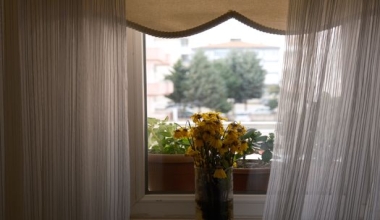
Blackout curtains are more than just a decorative window treatment—they are a functional investment that improves sleep, reduces energy costs, and protects your furniture from UV damage. But to keep them performing at their best, regular maintenance is essential. In this comprehensive guide, we'll walk you through every aspect of blackout curtain care, from daily dusting to deep cleaning and long-term storage. Whether your curtains are made of polyester, velvet, or have a special acrylic foam coating, these practical tips will help you extend their lifespan and maintain their elegant appearance.

Why Blackout Curtains Need Special Care
Unlike regular curtains, blackout curtains contain an additional layer or coating that blocks light. This layer is often delicate and can be damaged by harsh cleaning methods or improper handling. Over time, dust, allergens, and oils accumulate on the fabric, reducing its effectiveness and dulling its color. Additionally, the blackout coating can crack or peel if exposed to excessive heat or aggressive washing. Understanding the unique composition of your curtains is the first step toward proper maintenance.
Types of Blackout Curtains
There are three main types of blackout curtains, each with its own care requirements:
- Coated Blackout Curtains: These have a layer of acrylic or polyurethane foam applied to the back of the fabric. They are effective but require gentle washing to prevent cracking.
- Interlined Blackout Curtains: A separate blackout lining is sewn between the face fabric and the back. They are more durable and can often be dry-cleaned or spot-cleaned.
- Triple-Weave Blackout Curtains: These are tightly woven with three layers of fabric, making them naturally opaque without a chemical coating. They are the most resistant to damage and can often be machine-washed.
___PROTECTED_1___
Daily Maintenance: Dusting and Vacuuming
Taking a few minutes each week to dust your blackout curtains can prevent the buildup of allergens and keep the fabric looking fresh. Dust particles can settle into the fibers and, if left unattended, become embedded and hard to remove.
Using a Vacuum Cleaner
Attach a soft brush attachment to your vacuum cleaner and gently run it over the surface of the curtains. Start from the top and work your way down, using horizontal strokes. For heavily soiled areas, use a low suction setting to avoid pulling the fabric. Pay extra attention to the folds and pleats where dust tends to accumulate.
Dusting with a Microfiber Cloth
For a quick touch-up, wipe the curtains with a dry microfiber cloth. This method is safe for all fabric types, including delicate velvet. Avoid using feather dusters, as they can scatter dust rather than collect it.
___PROTECTED_2___
Spot Cleaning Stains and Marks
Accidents happen—a splash of coffee, a smudge of fingerprints, or a stray mark from a child's crayon. Spot cleaning is the safest way to address localized stains without subjecting the entire curtain to a wash.
Preparing a Gentle Cleaning Solution
Mix a small amount of mild detergent with lukewarm water. Dip a clean white cloth into the solution, wring it out thoroughly, and blot the stain gently. Avoid rubbing, as this can spread the stain or damage the blackout coating. Rinse the area with a cloth dipped in plain water and pat dry with a clean towel.
Dealing with Tough Stains
For grease-based stains, sprinkle a little cornstarch or baking soda on the spot, let it sit for 15 minutes, and then brush it off gently. For stubborn stains, consider using a specialized upholstery cleaner, but always test on an inconspicuous area first. Never use bleach or harsh solvents, as they can discolor the fabric and degrade the blackout coating.
Machine Washing: When and How
Machine washing is a convenient option, but it's not suitable for all blackout curtains. Always check the manufacturer's label for washing instructions. If the label says 'Machine Washable,' follow these steps to minimize the risk of damage.
Preparation
Remove any hooks, rings, or weights from the curtains. Close the curtains fully to prevent them from tangling. Place them in a mesh laundry bag to provide extra protection during the wash cycle.
Choosing the Right Cycle and Detergent
Use your machine's 'Delicate' or 'Gentle' cycle with cold water (30°C or below). Select a mild liquid detergent that is free of bleach and optical brighteners. Avoid using fabric softeners, as they can leave a residue on the fabric that reduces the blackout effect. If your machine has a spin speed setting, choose the lowest option to reduce wrinkling.
Sample Washing Guide
| Curtain Type | Washing Method | Water Temperature | Detergent |
|---|---|---|---|
| Triple-weave polyester | Machine wash, gentle cycle | Cold (≤30°C) | Mild liquid detergent |
| Coated blackout | Hand wash or spot clean | Cold (20°C) | Mild soap, no agitators |
| Velvet blackout | Dry clean recommended | N/A | Professional service |
Hand Washing and Dry Cleaning Options
For delicate fabrics like velvet or curtains with a fragile blackout coating, hand washing is a safer alternative to machine washing. Fill a large basin or bathtub with cool water and a small amount of mild detergent. Submerge the curtains and gently swish them around for a few minutes, avoiding any twisting or wringing. Rinse thoroughly with cool water until no soap remains.
If your curtain label says 'Dry Clean Only,' trust it. Dry cleaning uses solvents that are gentle on the fabric and won't damage the blackout coating. Professional cleaners also have the equipment to handle large curtains without creasing or shrinking.
Drying and Ironing Tips
Proper drying is crucial to prevent shrinkage, wrinkles, and damage to the blackout layer. Never wring out wet curtains—instead, gently press out excess water or use a clean towel to absorb moisture.
Air Drying
The safest method is to hang the curtains back on the rod while they are still slightly damp. This allows them to dry naturally in their correct shape and minimizes wrinkles. Ensure the room is well-ventilated and that the curtains are not in direct sunlight, as UV rays can fade the fabric and weaken the coating.
Machine Drying
If the label permits, you can use a dryer on the 'Air Fluff' or 'No Heat' setting. Do not use high heat, as it can melt or warp the blackout backing. Remove the curtains from the dryer while they are still slightly damp and hang them immediately.
Ironing and Steaming
Ironing blackout curtains is risky because the heat can melt the coating. If wrinkles are unavoidable, use a handheld steamer instead. Hang the curtains and steam them at a distance of at least 10 cm from the fabric. Avoid steaming coated curtains directly—steam the backside only. For velvet, consider professional steaming to preserve the pile.
Restoring Blackout Coating and Linings
Over time, the blackout backing may begin to peel, crack, or become less effective. While you cannot fully restore a damaged coating, you can take steps to prolong its life and improve light-blocking temporarily.
Applying a Refresher Spray
There are specialized restorative sprays designed for blackout curtains that can help rejuvenate the light-blocking properties. Spray evenly from a distance of 30 cm and allow to dry completely. This is a temporary fix, but it can add a few extra months of usefulness.
Using a Separate Liner
If the coating is severely compromised, consider adding a separate blackout liner behind the curtain. This not only restores the light-blocking ability but also provides an extra layer of insulation and protects the original fabric from further damage.
Storage and Long-Term Care
If you are storing your blackout curtains for a season or moving to a new home, proper storage prevents creases and protects the coating from environmental damage.
Cleaning Before Storage
Always clean and dry the curtains thoroughly before storing. Any residual moisture can lead to mildew, which is difficult to remove and can ruin the fabric. Fold them loosely along the natural crease lines or roll them around a cardboard tube to prevent sharp folds.
Choosing a Storage Environment
Store curtains in a cool, dry place away from direct sunlight. Use a breathable cotton or muslin bag or wrap them in a white cotton sheet. Avoid plastic bags, as they trap moisture and can cause yellowing. Add a few silica gel packets to absorb any excess humidity.
Common Mistakes to Avoid
Even well-meaning owners can make mistakes that damage their blackout curtains. Here are the most common pitfalls to steer clear of:
- Using hot water: Heat shrinks the fabric and can melt the blackout coating.
- Wringing the fabric: Twisting or wringing creates creases and weakens the fibers.
- Ironing directly: High heat can permanently damage the coating and leave shiny marks.
- Frequent washing: Only wash when necessary—over-washing wears out the fabric and reduces its lifespan.
- Using chlorine bleach: Bleach degrades fibers and causes yellowing or discoloration.
When to Replace Your Blackout Curtains
Even with impeccable maintenance, blackout curtains will eventually need to be replaced. Signs that it's time for new curtains include:
- The blackout coating is cracking, peeling, or flaking off.
- Light is noticeable through the fabric even when closed.
- The fabric is torn, worn, or has a persistent odor.
- Stains cannot be removed despite repeated cleaning.
If you notice these signs, investing in high-quality, new blackout curtains will ensure your room continues to stay dark and comfortable. For guidance on selecting the right fabric, see our buying guides.
Frequently Asked Questions (FAQ)
Can I machine wash blackout curtains?
Yes, but only if the care label says so. Use a gentle cycle with cold water and a mild detergent. Always put the curtains in a mesh bag to protect them.
How often should I clean blackout curtains?
Vacuum or dust them every 1–2 weeks. Deep clean (wash or dry clean) every 3–6 months, or more frequently if you have pets or allergies.
Why do my blackout curtains smell musty?
Musty odors are usually caused by moisture trapped in the fabric. Ensure your curtains are completely dry after cleaning, and avoid storing them in damp areas. You can also lightly mist them with a fabric refresher (a mix of water and a few drops of essential oil) and air them out.
Can I use fabric softener on blackout curtains?
No. Fabric softener leaves a residue that can reduce the light-blocking ability and may affect the coating. Stick to mild liquid detergents.
By following these maintenance practices, your blackout curtains will continue to provide darkness, comfort, and energy efficiency for years to come. Remember, a little care goes a long way in preserving the beauty and functionality of your investment.