Silk fabric is one of the most coveted textiles in the world, prized for its luxurious sheen, soft hand-feel, and exceptional draping qualities. When it comes to curtains, upholstery, or accent pieces, silk properties are unmatched. This comprehensive guide will explore the full range of silk fabric properties, including its physical, chemical, and aesthetic characteristics, plus practical tips for using and caring for silk in your home.
What Makes Silk Fabric Unique?
Silk is a natural protein fiber produced by silkworms, primarily the larvae of the mulberry silkworm (Bombyx mori). Unlike cotton or linen, which come from plants, silk is an animal-based fiber. Its molecular structure consists of fibroin and sericin, giving silk its legendary strength and elasticity. The triangular prism-like structure of silk fibers refracts light, creating a subtle shimmer that no synthetic fiber can replicate.
___PROTECTED_1___
Key Physical Properties of Silk Fabric
Understanding silk properties starts with its physical characteristics. These determine how silk behaves in everyday use and why it is so highly valued.
| Property | Description | Impact on Use |
|---|---|---|
| Luster | Natural sheen and light-refracting ability | Creates a luxurious, glowing appearance that changes with light |
| Softness | Ultra-smooth texture | Gentle on skin, ideal for bedding and clothing |
| Drapability | Excellent fluidity and fall | Hangs elegantly in curtains, follows curves beautifully |
| Tensile Strength | Remarkably strong for a natural fiber | More durable than cotton when dry |
| Elasticity | Can stretch up to 20% without breaking | Resists wrinkles and retains shape |
| Thermal Regulation | Insulating yet breathable | Keeps rooms warmer in winter, cooler in summer |
Luster and Sheen
The most obvious property of silk is its unmistakable luster. Silk fibers reflect light from multiple angles due to their triangular cross-section. This creates a shimmering, iridescent effect that makes silk curtains naturally eye-catching. Unlike synthetic satin, which mimics this effect with plastics, silk's luster is deep and warm, never harsh.
Strength and Durability
Silk is surprisingly strong. On a per-weight basis, silk is stronger than steel and outperforms many synthetic fibers. This strength comes from the fibroin protein chains. However, silk is susceptible to damage from prolonged sunlight exposure, which can degrade the fiber. When using silk for curtains, consider UV protective linings to extend its life.
Elasticity and Wrinkle Resistance
Silk's elasticity gives it excellent bounce-back. Curtains made from silk are less likely to crease or lose their shape, even after being tied back or pleated. This property also makes silk ideal for upholstery, as it conforms to cushions without sagging.
___PROTECTED_2___
Chemical and Moisture Properties of Silk
Silk's behavior with moisture and chemicals is critical for maintenance and care.
Absorbency and Breathability
Silk is highly absorbent, able to hold up to 30% of its weight in moisture without feeling damp. This property allows silk curtains to regulate room humidity. They absorb excess moisture in humid conditions and release it in dry conditions, creating a balanced microclimate. The breathability of silk also makes it comfortable in any season—a boon for window treatments in rooms with large glass areas.
Protein Structure and Sensitivity
Because silk is protein-based, it is sensitive to alkaline chemicals. Unlike cotton, which can withstand strong detergents, silk requires mild, pH-neutral soaps. Chlorine bleach will dissolve silk rapidly, and even perspiration can weaken the fiber over time. This is why professional cleaning is often recommended for silk curtains.
Resistance to Mildew and Mites
Silk is naturally resistant to mildew, mold, and dust mites. The protein fibers do not provide the same food source for microorganisms as plant fibers. This makes silk an excellent choice for people with allergies, especially when used in bedroom curtains or four-poster beds.
Types of Silk Fabrics
Not all silk is the same. Different weaves and processes produce distinct silk properties that suit different applications.
- Mulberry Silk – The highest quality, from cultivated silkworms. It has a tight weave, high luster, and uniform texture. Ideal for luxury curtains.
- Tussar Silk – Also known as wild silk. It has a coarser texture and natural golden or beige color. Its matte sheen and irregular texture add rustic charm to window treatments.
- Eri Silk – A vegan silk with a wool-like feel. Warm and durable, it is used in more casual interiors.
- Muga Silk – A rare golden silk from India. Extremely durable and lustrous, reserved for high-end decor.
- Charmeuse – A satin-weave silk that is glossy on one side and matte on the other. The drape is fluid and elegant.
- Habotai – Also called China silk. A plain weave that is lightweight and slightly translucent. Often used as lining or sheer curtains.
- Organza – A crisp, sheer silk perfect for voluminous curtains or overlays.
- Dupioni – Made from mixed cocoons, producing a slubbed texture. Holds shape well and has a rich, iridescent look.
Benefits of Using Silk Fabric for Curtains
Silk curtains are the epitome of elegance, but their practical properties are just as impressive as their looks.
Light and Privacy Control
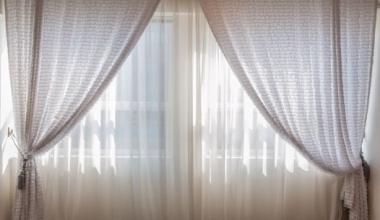
Silk's natural density and weave allow it to filter light beautifully. Depending on the weight and lining, silk curtains can provide full blackout, light filtering, or sheer diffusion. Because silk is a natural insulator, silk curtains also help regulate room temperature.
Acoustic Insulation
Silk fibers absorb sound more effectively than many synthetic fabrics. The dense protein structure traps sound waves, reducing noise pollution from outside. For entryways or home theaters, silk curtains can improve acoustic comfort, making the space quieter and more intimate.
Antibacterial and Hypoallergenic Properties
Silk contains sericin, a protein with natural antibacterial and antifungal properties. This makes silk resistant to allergens and odors. For people with asthma or sensitive skin, silk curtains are an excellent, hygienic choice.
Luxurious Aesthetic
Nothing says luxury like cascading silk drapery. The natural sheen adds depth and warmth to any room. Silk takes dye beautifully, producing deeply saturated colors that don't fade quickly when protected from direct sunlight.
Caring for Silk Fabric: Practical Tips
Silk is delicate and requires proper care. Following these guidelines will preserve silk properties for years.
- Dry Cleaning: For silk curtains, professional dry cleaning is safest. Always mention that the item is silk so the cleaner uses suitable solvents.
- Hand Washing: If hand washing, use cold water and a few drops of mild baby shampoo or a dedicated silk detergent. Soak gently for 3 minutes, then rinse in cold water. Never wring—press the water out by rolling in a towel.
- Ironing: Use a cool iron while the fabric is slightly damp. Iron on the reverse side to prevent shine marks.
- Sunlight Protection: UV rays fade silk. Install a protective window film or use a secondary cotton lining to block UV exposure. Rotate curtains regularly to ensure even aging.
- Storage: Roll silk curtains on a cardboard tube to prevent creases. Avoid plastic bags; use a breathable cotton dust cover.
- Stain Removal: Blot spills immediately with a clean, dry cloth. Never rub, as friction can damage the fibers. For stubborn marks, consult a professional silk expert.
Silk vs. Synthetic Silk Alternatives
Many textile brands now offer polyester 'silk' or synthetic satin. While cheaper, these fabrics lack silk's original properties. Here are key differences:
- Luster: Synthetic satin has a high gloss but lacks the depth and subtlety of natural silk.
- Breathability: Synthetic fibers are hydrophobic, retaining heat and promoting sweating. Silk breathes and wicks moisture.
- Static: Polyester silk accumulates static electricity; silk does not.
- Durability: Natural silk is stronger and more elastic, but synthetic silk degrades and pills faster.
- Environmental Impact: Silk is biodegradable and renewable, while polyester is petroleum-based and microplastic-releasing.
Industry Applications of Silk Fabric
Residential Interiors
Silk is used for blackout curtains, decorative sheers, and upholstery. In bedrooms, silk curtains add a romantic, hotel-like ambiance. In living rooms, silk pairs with velvet or linen for layered window treatments.
Hospitality Sector
Luxury hotels use silk curtains to create a premium guest experience. Silk's durability, when properly maintained, justifies its cost in high-end properties where branding demands excellence.
Event and Theatrical Drapery
Silk's light diffusion and acoustic properties make it desirable for stage curtains, backdrops, and event decor. Its fire-retardant treatments can meet safety codes while preserving beauty.
Acoustic Panels
Silk-covered acoustic panels are gaining popularity in professional settings—recording studios, executive offices, and restaurants. The silk outer layer improves sound absorption and adds a refined finish.
Conclusion: Why Silk Remains the Gold Standard
Silk fabric properties combine beauty, functionality, and sustainability. Its natural origins, remarkable strength, breathability, and hypoallergenic qualities make it the premium fabric for curtains. While silk requires careful maintenance, the payoff in elegance and comfort is unmatched. Whether you're designing a cozy bedroom, an executive suite, or a grand hall, silk curtains are an investment in timeless sophistication.
When shopping for silk, always purchase from reputable weavers and ask about the silk weight and weave. A heavy silk dupioni will behave differently than a light silk habotai. Understanding these properties ensures you select the right silk for your specific application.
Ready to elevate your space with silk? Explore our collection of natural silk curtain fabrics, and let our experts help you choose the perfect drapes. For more fabric insights, check out our guides on blackout, velvet, and sheer fabrics.