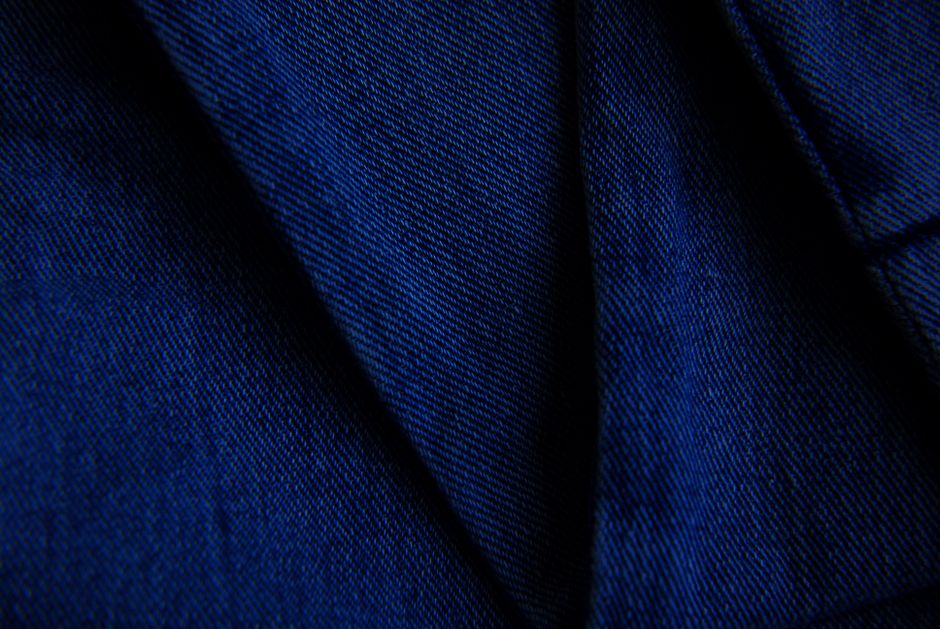
Introduction to Cotton Fabric
Cotton is one of the most widely used natural fibers in the world, prized for its comfort, breathability, and versatility. In the realm of curtains and drapery, cotton fabric properties play a pivotal role in determining how a window treatment looks, feels, and performs. Whether you're searching for airy sheers, room-darkening blackout curtains, luxurious velvet touches, or functional acoustic panels, cotton—either alone or blended with synthetics—offers a unique set of characteristics that make it a top choice for both residential and commercial spaces.
Understanding the inherent properties of cotton fabric is essential for selecting the right material for your curtains. This in-depth guide explores the science behind cotton, compares it to other common curtain fabrics, and offers practical advice on care and selection. By the end, you'll know exactly why cotton remains a timeless favorite in the textile industry.
___PROTECTED_1___
Key Properties of Cotton Fabric
Cotton's popularity is not accidental. Its molecular structure and fiber morphology give it a distinct combination of physical and chemical properties that are difficult to replicate with synthetics. Here are the most significant cotton fabric properties to consider when choosing curtains.
Breathability and Air Permeability
One of the most celebrated cotton fabric properties is its excellent breathability. Cotton fibers are porous, allowing air to circulate freely through the weave. This natural ventilation helps regulate indoor temperature, preventing stuffiness and condensation on windows. For sheer curtains, this property allows a gentle breeze to pass while still providing a degree of privacy. For heavier curtains, breathability ensures that moisture does not get trapped against walls or window frames, reducing the risk of mold and mildew.
Softness and Comfort
Cotton is naturally soft and gets softer with each wash. The smooth, rounded surface of cotton fibers feels gentle against the skin, making cotton curtains ideal for bedrooms and living rooms where comfort is paramount. Unlike some synthetic fabrics that can feel stiff or scratchy, cotton drapes gracefully and creates an inviting ambiance. This tactile quality is especially important if you frequently touch or adjust your curtains.
Durability and Strength
Despite its delicate feel, cotton is a remarkably durable fiber. When properly woven, cotton can withstand years of use, repeated opening and closing, and exposure to sunlight. The tensile strength of cotton increases when wet, which means it handles washing and laundering without breaking down easily. For high-traffic areas or commercial installations, cotton curtains can offer a long lifespan, especially when treated with finishes that enhance abrasion resistance.
Absorbency and Moisture Management
Cotton is highly absorbent, capable of taking up to 27 times its own weight in water. This hydrophilicity makes cotton curtains effective at absorbing condensation that forms on cold window glass, preventing water damage to sills and floors. However, this property also means cotton can be prone to shrinkage if not handled correctly during washing. It also makes cotton less suitable for very damp climates unless treated with a water-repellent finish.
Dye Affinity and Color Retention
Cotton fibers have a strong affinity for dyes, allowing them to be colored in a vast spectrum of hues with excellent vibrancy. Reactive and vat dyes bond chemically with the cellulose structure, resulting in colors that resist fading from washing and sunlight. This property is a boon for curtains because it means your chosen color will remain rich and consistent for years. Cotton also accepts printing well, enabling intricate patterns that are crisp and clear.
Heat Conductivity and Insulation
Cotton is a moderate insulator. It doesn't trap heat as effectively as thick wool or acrylic, but its natural cellular structure creates pockets of still air that reduce heat transfer. For blackout curtains, cotton is often blended with heavier coatings or layered with other materials to enhance thermal insulation. On hot days, cotton curtain fabrics reflect a portion of solar heat, helping to keep rooms cooler. In winter, they add a layer of insulation that reduces heat loss through windows.
___PROTECTED_2___
Cotton Fabric Properties in Different Curtain Types
Cotton's versatility allows it to be engineered into various curtain styles, each benefiting from different aspects of its property profile.
Cotton in Blackout Curtains
Blackout curtains are designed to block out external light completely. While cotton alone is not inherently blackout, when combined with dense weaves, multiple layers, or a special foam backing, it becomes an excellent light barrier. The breathability of cotton ensures that even with a backing layer, the curtain does not trap heat excessively, making it more comfortable in bedrooms and media rooms. Cotton also provides a natural, soft surface that many people prefer over stiff synthetic alternatives.
Cotton in Sheer Curtains
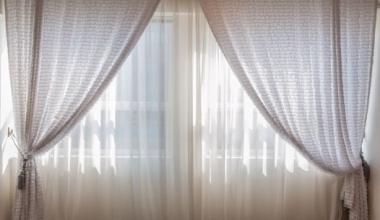
Sheer curtains benefit immensely from cotton's breathability and light diffusion properties. A light, open-weave cotton gauze allows diffused sunlight to brighten a room while offering privacy during the day. Cotton sheers are especially popular in living rooms and dining areas because they create an airy, relaxed atmosphere. The fabric's natural drape prevents harsh folds, and its ability to absorb moisture helps keep windows fog-free.
Cotton in Velvet Curtains
Velvet curtains are traditionally made from silk or synthetic fibers, but cotton velvet—also called cotton velveteen—offers a more affordable and practical alternative. Cotton velvet combines the classic plush texture of velvet with the durability and breathability of cotton. It has a shorter pile but still delivers a deep, rich appearance. Cotton velvet curtains are heavier than standard cotton, providing better insulation and a degree of sound absorption, while remaining easier to clean than silk velvet.
Cotton in Acoustic Curtains
Acoustic curtains are designed to reduce sound reflection and echoes. Cotton is often used as a base fabric for these because it is dense enough to absorb mid-range frequencies, especially when pleated. While cotton alone is not as effective as specialized acoustic materials, it is frequently sandwiched with sound-absorbing felts or foams for commercial use in offices, studios, and theaters. The natural fiber adds a breathable, non-toxic layer that improves indoor air quality while contributing to noise reduction.
Cotton vs. Other Curtain Fabrics
To fully appreciate cotton fabric properties, it's helpful to compare cotton with other common curtain materials. The table below summarizes key differences.
| Fabric Type | Breathability | Durability | Light Blocking | Cost | Care |
|---|---|---|---|---|---|
| Cotton | High | Good | Moderate (depends on weave) | Moderate | Machine washable (pre-shrunk may be needed) |
| Polyester | Low to medium | Excellent | High (with coating) | Low to moderate | Easy, wrinkle-resistant |
| Linen | High | Good (but prone to creasing) | Moderate | High | Dry cleaning often recommended |
| Silk | Medium | Low (sun damage) | Low to medium | Very high | Professional cleaning only |
| Velvet (synthetic) | Low | Good | High | Moderate | Dry cleaning usually |
Cotton strikes a balance between performance, aesthetics, and price. It outperforms synthetics in breathability and natural feel, and it is more accessible than silk or high-grade linen. For most homeowners, cotton offers the best all-round value.
How to Choose the Right Cotton Fabric for Curtains
Selecting the perfect cotton curtain fabric involves more than just picking a pattern. Consider these factors to maximize cotton fabric properties for your needs.
Thread Count and Weave
Higher thread counts generally indicate a denser, smoother fabric with better durability and light attenuation. For sheer curtains, a lower thread count with an open weave (e.g., muslin, organdy) is ideal. For standard curtains, a medium count of 200–300 is sufficient. If you want blackout capabilities, look for a tightly woven cotton twill or a cotton sateen with a specialized coating.
Weight and Drape
Cotton fabric weight is measured in grams per square meter (gsm). Lightweight cottons (50–150 gsm) are perfect for sheers and casual valances. Medium weight (150–300 gsm) gives a good balance of drape and opacity, suitable for most living spaces. Heavyweight cottons (300+ gsm) are used for dramatic, floor-length curtains, offering better insulation and a more luxurious feel.
Finish and Treatment
Some cotton fabrics come with pre-applied finishes. Anti-static finishes reduce dust attraction, while stain-resistant finishes protect against spills. For curtains that will be exposed to strong sunlight, look for a UV-resistant treatment to prevent yellowing. If you live in a humid climate, consider a mildew-resistant finish. Always ask your supplier about the specific treatments applied, as they can significantly alter the fabric's performance.
Blends: The Best of Both Worlds
Cotton-polyester blends are extremely popular for curtains. Polyester adds wrinkle resistance, dimensional stability, and strength, while cotton contributes breathability and a natural hand feel. A common blend ratio is 60% cotton and 40% polyester. For even more durable blackout curtains, you might find cotton blended with acrylic or modacrylic, which resist fading and shrinkage.
Care and Maintenance Tips for Cotton Curtains
Proper care is crucial to preserve the quality and appearance of your cotton curtains. Follow these guidelines to keep them looking their best.
Washing and Drying
Most cotton curtains can be machine washed in cold or warm water with a mild detergent. Always check the care label first, as some lined or coated cotton fabrics may require dry cleaning. To minimize shrinkage, opt for a gentle cycle and avoid high-temperature spins. Hang curtains to dry whenever possible; if using a tumble dryer, select a low heat setting and remove them while still slightly damp to reduce wrinkles.
Ironing and Steam
Cotton wrinkles easily. For a crisp look, iron curtains on the reverse side using a hot iron with steam. Alternatively, use a handheld garment steamer while the curtains are hanging—this is quicker and gentler on delicate weaves. Be cautious with printed cottons: test an inconspicuous area first to ensure the iron does not damage the print.
Preventing Shrinkage
If you plan to wash cotton curtains regularly, choose pre-shrunk fabric or account for potential shrinkage when measuring. To minimize the risk, never wash in hot water and avoid a high-heat drying cycle. Some people prefer to dry clean cotton curtains to eliminate shrinkage altogether.
Sunlight Fading
Even though cotton has good dye retention, prolonged direct sunlight can fade any fabric. Use a lining or install sheer blinds behind solid curtains to filter UV rays. You can also apply a UV-protective spray designed for textiles, but test it on a small area first.
Industry Application Cases of Cotton Curtains
Hospitality: Hotels and Resorts
Cotton curtains are a staple in hotels because they combine durability with a premium feel. Many mid-range to luxury hotels use cotton-polyester blends for their drapes to ensure easy laundering and resistance to wrinkles. The breathability of cotton helps maintain a comfortable humidity level in guest rooms, and its natural color palette appeals to a wide range of interior designs.
Healthcare: Clinics and Hospitals
In healthcare settings, cotton curtains are chosen for their non-toxic, hypoallergenic properties. Cotton is less likely to cause skin irritation and is free from the off-gassing associated with some synthetic fabrics. Blackout cotton curtains are used in patient rooms to create a restful environment. The fabrics can be treated with antimicrobial finishes for extra safety.
Education: Schools and Libraries
Schools and libraries require curtains that are both functional and economical. Cotton sheers diffuse daylight to reduce glare on screens and books, while heavier cotton drapes in auditoriums help with acoustics and light control. The ease of cleaning cotton is a major advantage in high-traffic educational environments.
Residential: Eco-Conscious Consumers
With growing environmental awareness, many homeowners are turning to organic cotton curtains. Organic cotton is grown without synthetic pesticides or fertilizers, making it a sustainable choice. Its natural properties—breathability, softness, and biodegradability—align with a green lifestyle. In residential projects, cotton curtains created from recycled or upcycled fabrics are also gaining popularity.
Conclusion
Cotton fabric properties set it apart as one of the most adaptable and reliable materials for curtains. Its breathability, durability, softness, and excellent dye uptake make it a joy to use in any interior. Whether you need sheer elegance, blackout functionality, velvet luxury, or acoustic performance, cotton can be tailored to meet your needs. With proper care, cotton curtains can last for years, providing beauty and practicality day after day. Next time you shop for curtains, consider the humble yet mighty cotton fiber—you may just find it is exactly what your windows have been waiting for.