velvet has been synonymous with luxury, elegance, and sophistication for centuries. From royal robes to high-end theater curtains, this timeless fabric continues to dominate the world of interior design. But beyond its plush appearance, velvet is a fabric with a unique set of physical and aesthetic properties that make it a versatile choice for various applications—particularly in window treatments. In this comprehensive guide, we'll explore every aspect of velvet fabric properties, from its construction and types to its performance in real-world settings, and provide practical advice on how to select and care for Velvet Curtains.
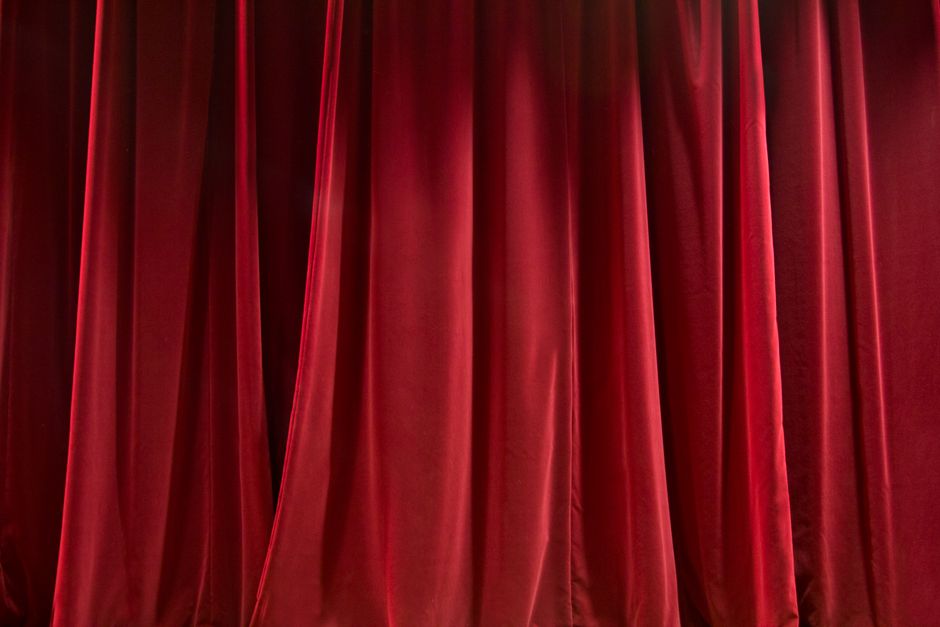
What Is Velvet Fabric?
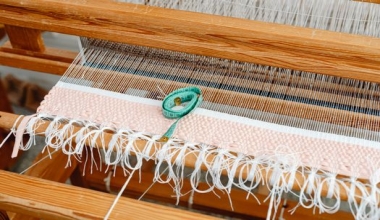
Velvet is a type of woven tufted fabric in which the cut threads are evenly distributed, with a short, dense pile, giving it a distinctive soft feel. The fabric is typically made using a special weaving process that creates a looped warp yarn, which is then cut to produce the plush surface. This results in a material that reflects light differently depending on the angle, producing a shimmering effect that is highly prized.
Originally, velvet was made from pure silk, but today it is produced from a variety of fibers, including cotton, linen, wool, and synthetic fibers like polyester, rayon, and nylon. The choice of fiber significantly influences the fabric's drape, durability, and care requirements.
___PROTECTED_1___
Key Properties of Velvet Fabric
Velvet's unique characteristics make it stand out among other fabrics. Here are the most notable properties:
- Texture and Feel: The soft, plush surface is velvet's defining feature. It is warm to the touch and offers a luxurious tactile experience.
- Light Reflection: Velvet has a subtle luster that changes with the direction of the pile. This optical effect adds depth and richness to any space.
- Drape: Despite its weight, velvet drapes beautifully, creating elegant folds that enhance curtain designs.
- Insulation: Velvet's dense pile makes it an excellent insulator, helping to regulate room temperature by blocking drafts and retaining heat.
- Acoustic Properties: The thick, dense structure of velvet absorbs sound, making it a great choice for acoustic panels and curtains that reduce noise.
- Durability: High-quality velvet is quite durable, especially when made with synthetic fibers or blended with polyester for added strength.
- Color Depth: Velvet has exceptional color absorption, producing deep, vibrant shades that don't fade easily.
___PROTECTED_2___
Different Types of Velvet Fabric
Not all velvet is created equal. The type of fiber and the weaving technique determine the fabric's performance and best uses.
Silk Velvet
Silk velvet is the most luxurious and expensive type. It has a soft, fluid drape and a high sheen. However, it is delicate and requires gentle handling, making it more suitable for decorative accents than high-traffic curtains.
Cotton Velvet
Cotton velvet is more affordable than silk and has a matte finish. It is breathable, easy to dye, and machine-washable (though with care). It's a popular choice for everyday curtains due to its balance of comfort and practicality.
Polyester Velvet
Polyester velvet is durable, wrinkle-resistant, and often less expensive. It holds its shape well and is resistant to shrinking and stretching, making it ideal for curtains that will be used frequently. It also resists fading, which is perfect for sunny rooms.
Rayon Velvet
Rayon velvet has a beautiful sheen and a silky feel, but it can be less durable and may shrink when washed. It requires professional cleaning.
Crushed Velvet
Crushed velvet is made by twisting the fabric while wet, which creates a crinkled or crushed appearance. It reflects light in a random pattern, giving a modern and textured look.
The Advantages of Velvet for Curtains
Velvet is an exceptional choice for curtains, especially when you need more than just aesthetics. Here's why:
- Blackout Capability: With its thick pile and tight weave, velvet curtains naturally block out light. They are an excellent choice for bedrooms and home theaters, providing the darkness needed for restful sleep or cinematic experiences.
- Sound Absorption: Velvet's dense fibers trap sound waves, reducing echo and noise pollution. This makes velvet curtains ideal for offices, recording studios, and living rooms in noisy areas.
- Thermal Insulation: Velvet acts as a barrier against cold drafts and heat loss. In winter, they keep warmth in; in summer, they help keep the interior cool. This energy efficiency can lower heating and cooling bills.
- Privacy: The opaque nature of velvet curtains ensures complete privacy, blocking any view from outside.
Disadvantages and Considerations
While velvet is stunning, it has a few drawbacks to consider before making a purchase.
- Dust and Allergens: The thick pile can accumulate dust and pet hair, which may trigger allergies. Regular vacuuming is necessary to keep them clean.
- Crushing and Matting: Velvet can crush permanently if pressed or sat on for extended periods. This means you need to be careful when handling and storing.
- Water Damage: Water can leave stains on velvet, so it's best to avoid placing it in areas that might get wet. If you spill something, blot immediately and avoid rubbing.
- Cost: High-quality velvet, especially silk velvet, can be expensive. This might be prohibitive for large windows or budget-conscious projects.
- Maintenance: Velvet often requires special care, including dry cleaning, which adds to the long-term cost.
Velvet vs. Other Curtain Fabrics
To help you decide, here's a comparison of velvet with other common curtain fabric types:
| Property | Velvet | Sheer | Blackout Lining | Acoustic Fabric |
|---|---|---|---|---|
| Light Control | Excellent (blocks most light) | Poor (diffuses light) | Excellent | Good |
| Acoustic Performance | Excellent | Poor | Average | Excellent |
| Insulation | Excellent | Poor | Good | Good |
| Privacy | Complete | None | Complete | Good |
| Aesthetic | Luxurious, rich | Light, airy | Functional | Minimalist |
| Durability | Good (with care) | Medium | High | High |
| Maintenance | High | Low | Medium | Medium |
Practical Tips for Choosing Velvet Curtains
When shopping for velvet curtains, keep these tips in mind:
Check the Fabric Weight
Heavier velvet (around 250–300 g/m²) drapes better and provides better blackout and acoustic properties. Lighter velvet may not block light as effectively.
Look for a Pile Direction
Velvet has a distinct nap (the direction the fibers lie). Make sure the curtains are all made with the same nap direction to ensure consistent color and light reflection.
Consider the Lining
A lining can protect velvet from dust and sun damage. For maximum blackout, choose a lining with a thermal or blackout coating.
Test the Color
Velvet reflects light in unique ways, so the color might appear different at various times of day. Request a sample and hold it up against your wall and flooring before committing.
Think About Motorization
Velvet curtains are heavy, so motorized tracks are recommended for large or hard-to-reach windows. This also reduces wear and tear from manual tugging.
Care and Maintenance for Velvet Curtains
Proper care will prolong the life of your velvet curtains. Follow these guidelines:
- Vacuum Regularly: Use a soft brush attachment to vacuum the surface of the velvet at least once a week to remove dust and dirt.
- Spot Clean: For small stains, use a dry cleaning solvent or a damp cloth with mild soap. Always test in an inconspicuous area first.
- Avoid Direct Sunlight: Prolonged exposure can fade the color. Use sheer curtains behind or during peak sun hours to protect the velvet.
- Steam, Don't Press: If wrinkles appear, use a handheld steamer in a downward motion. Never iron directly on velvet, as it can crush the pile.
- Professional Cleaning: For deep cleaning, take velvet curtains to a professional dry cleaner. Do not machine wash or tumble dry, as this can ruin the texture.
Industry Applications of Velvet Fabric
Velvet is not just for homes—it's widely used in commercial and industrial settings due to its unique combination of properties.
Theater and Performance Venues
Velvet curtains are a classic choice for theaters because of their luxurious appearance and excellent acoustic dampening. They also provide the dark, quiet environment required for stage performances.
Hotels and Hospitality
Hotels use velvet curtains to create a sense of opulence in guest rooms and lobbies. The blackout and sound-absorbing qualities enhance guest comfort, ensuring a good night's sleep and a serene atmosphere.
Corporate Offices
In open-plan offices, velvet curtains can help reduce noise distractions and create private meeting spaces. They also add a touch of professionalism and warmth to the environment.
Residential Projects by Interior Designers
Interior designers often recommend velvet curtains in living rooms, bedrooms, and home theaters to create a focal point and improve acoustics. With a range of colors and textures, velvet fits both traditional and modern design schemes.
Conclusion
Velvet fabric is a powerhouse of properties—it offers luxury, insulation, light control, and acoustic performance all in one. While it requires a bit more care than other fabrics, the benefits far outweigh the extra effort. Whether you're dressing a window in a cozy apartment or outfitting a grand hotel suite, velvet curtains are a choice that elevates the space and delivers practical value.
If you're ready to transform your space with velvet curtains, explore our collection of premium velvet fabrics, each carefully selected for quality and performance. And don't forget to check out our care guides and buying tips to ensure your velvet curtains stay beautiful for years to come.