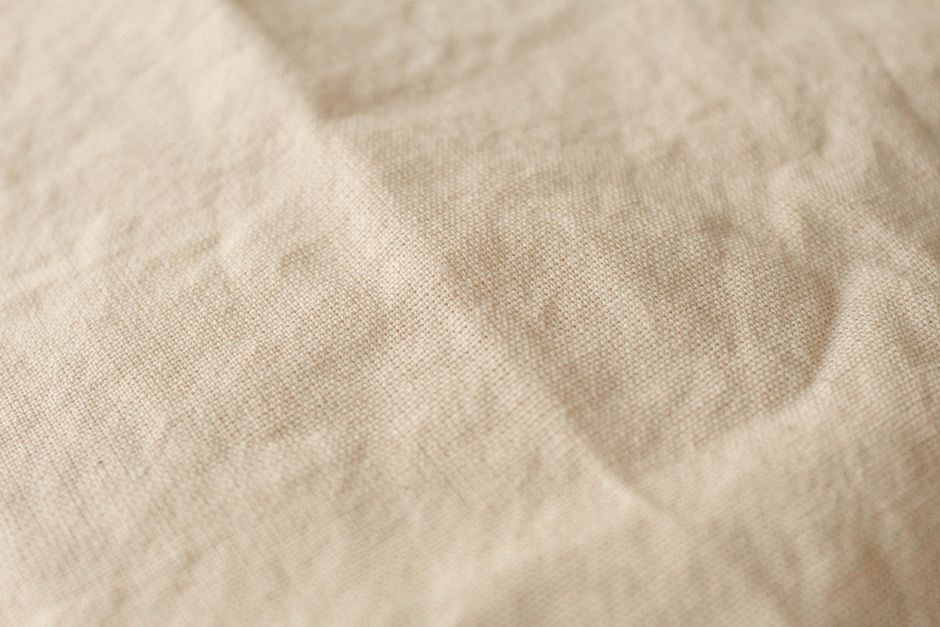
Introduction to Linen Fabric
Linen is one of the oldest textiles in human history, derived from the flax plant (Linum usitatissimum). Renowned for its unique blend of elegance, durability, and comfort, linen has been a staple in homes for thousands of years. Today, it remains a top choice for curtains, upholstery, and bedding, especially among those who value natural, sustainable materials. In this in-depth guide, we explore the fundamental properties of linen fabric, how it compares to other materials, and why it might be the perfect addition to your living space.
___PROTECTED_1___
What Makes Linen Unique?
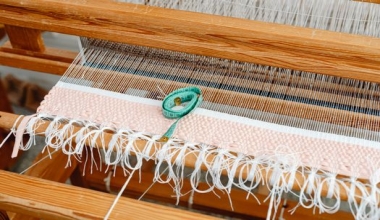
Linen is a natural bast fiber obtained from the stem of the flax plant. The fibers are long, smooth, and slightly irregular, giving the fabric its characteristic texture. Unlike cotton, which is soft and fluffy, linen has a crisp, slightly cool feel that softens with each wash. Its natural luster and drape make it a favorite among interior designers and eco-conscious homeowners alike.
___PROTECTED_2___
Key Properties of Linen Fabric
Understanding the properties of linen helps you make informed decisions when selecting fabrics for your home. Here are the most important characteristics that set linen apart.
1. Breathability and Moisture Wicking
Linen is exceptionally breathable, allowing air to circulate freely through the weave. This property makes it ideal for warm climates and summer months. The fibers naturally wick moisture away from the body, evaporating sweat quickly and leaving you feeling dry and comfortable. In curtains, this breathability helps regulate indoor humidity, preventing stuffiness and condensation on windows.
2. Durability and Strength
Despite its lightweight appearance, linen is one of the strongest natural fibers. It is twice as strong as cotton and becomes even stronger when wet. This inherent toughness means linen curtains and upholstery can withstand years of use without tearing or fraying. The fibers are also resistant to abrasion, making linen a smart investment for high-traffic areas.
3. Hypoallergenic and Antibacterial
Linen is naturally hypoallergenic and antibacterial. The fibers are smooth and do not irritate sensitive skin, making it an excellent choice for people with allergies or eczema. Linen also resists the growth of bacteria and fungi, contributing to a healthier indoor environment. For drapes and curtains, this means fewer allergens accumulating in the fabric.
4. Thermal Regulation
One of the most remarkable properties of linen is its ability to regulate temperature. It keeps you cool in hot weather by allowing heat to escape, and it offers a modicum of warmth in cooler conditions by trapping air between the fibers. This thermoregulating quality makes linen curtains a practical year-round choice, helping to maintain a consistent indoor climate.
5. Texture and Appearance
Linen has a distinct, slightly slubbed texture that exudes natural sophistication. It comes in a range of weave styles, from tight plain weaves to loose, open weaves suitable for sheer curtains. The fabric’s natural luster adds depth to colors, and it drapes beautifully, creating soft folds and an effortlessly relaxed look.
Linen vs. Cotton vs. Polyester: A Comparison
To fully appreciate linen’s properties, let’s compare it with other common curtain and upholstery fabrics.
| Property | Linen | Cotton | Polyester |
|---|---|---|---|
| Breathability | Excellent | Good | Poor |
| Durability | Very High | Moderate | High |
| Moisture Wicking | Superior | Moderate | Low |
| Hypoallergenic | Yes | Yes, but less | No |
| Thermal Regulation | Excellent | Good | Poor |
| Texture | Crisp, textured | Soft, smooth | Varies, often synthetic |
| Eco-Friendliness | High (biodegradable) | Moderate | Low (petroleum-based) |
As the table shows, linen excels in almost every category, especially in breathability and moisture management. While polyester may be more wrinkle-resistant, it lacks the natural elegance and environmental benefits of linen.
Common Uses of Linen in Home Textiles
Linen’s versatility makes it suitable for a wide range of applications. In the world of curtains and drapes, linen is used to create:
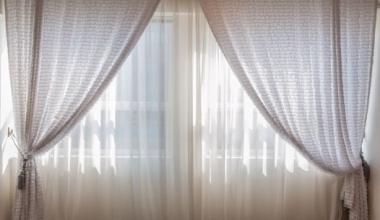
- Sheer curtains: Loose-weave linen diffuses daylight gracefully while offering a degree of privacy.
- Blackout linings: When combined with a blackout layer, linen provides a beautiful face fabric with light-blocking functionality.
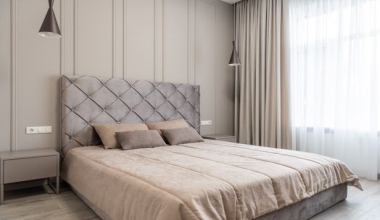
- Upholstery: Linen covers sofas, chairs, and headboards, adding a relaxed yet polished touch to interiors.
- Acoustic panels: Thick linen weaves can absorb sound, making them useful for home theaters and open-plan spaces.
How to Care for Linen Fabric
Proper care extends the life of linen and preserves its appearance. Follow these tips to keep your linen curtains and upholstery looking their best.
- Washing: Most linen can be machine-washed on a gentle cycle with cold water. Use a mild detergent and avoid bleach.
- Drying: Air-dry linen when possible. If using a tumble dryer, select a low heat setting and remove while slightly damp.
- Ironing: Iron linen while still damp on a medium-high setting for a crisp finish. For a more relaxed look, embrace the natural wrinkles.
- Storing: Store linen in a cool, dry place. Avoid plastic bags, as they trap moisture; use a breathable cotton storage bag instead.
- Spot Cleaning: Blot spills immediately with a clean, dry cloth. Avoid rubbing, as this can push the stain deeper into the fibers.
Why Choose Linen for Curtains and Upholstery?
Choosing linen for your home goes beyond aesthetics. Its natural properties offer tangible benefits that enhance your living environment.
Energy efficiency: Linen’s thermal regulation can reduce the need for air conditioning in summer and heating in winter, potentially lowering your energy bills.
Healthier home: Being hypoallergenic and antibacterial, linen is an excellent choice for households with children, pets, or allergy sufferers.
Sustainability: Flax is a low-water, low-pesticide crop, and linen is fully biodegradable. Choosing linen supports eco-friendly practices.
Timeless style: Linen’s natural texture and drape never go out of fashion. Whether your decor is minimalist, rustic, or coastal, linen integrates seamlessly.
Conclusion
Linen fabric is a remarkable material that combines natural beauty with outstanding performance. Its breathability, durability, hypoallergenic properties, and thermal regulation make it a top contender for curtains, upholstery, and beyond. By understanding these properties, you can make an educated choice that enhances both comfort and style in your home. Embrace the timeless appeal of linen and experience the difference it makes.