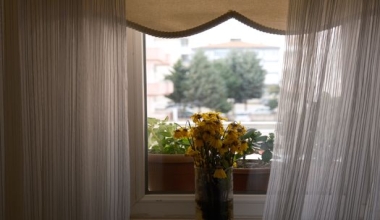
Curtains are more than just decorative elements—they protect your privacy, control light, improve acoustics, and even insulate your home. But without proper care, even the highest-quality blackout, sheer, velvet, or acoustic fabrics can lose their beauty and functionality. This comprehensive curtain maintenance checklist will help you extend the life of your drapes, keeping them looking fresh and performing optimally for years.

The Importance of a Curtain Maintenance Routine
Regular maintenance prevents dust buildup, allergen accumulation, and fabric deterioration. Dust and grime can cause fibers to break down, reduce light-blocking efficiency in blackout curtains, and dull the luster of velvet. For acoustic curtains, dirt can clog the dense weave or foam backing, diminishing sound absorption. A consistent routine also preserves color and shape, saving you money on replacements.
___PROTECTED_1___
Daily & Weekly Care Tips
Incorporate these simple habits into your cleaning schedule:
- Dust weekly: Use a soft brush attachment on your vacuum cleaner or a microfiber duster to remove surface dust from both sides of the curtain. For sheer fabrics, a gentle hand or a low-suction setting prevents snags.
- Fluff and shake: Give curtains a gentle shake every few days to dislodge loose dust and realign pleats. This is especially beneficial for velvet curtains that can flatten over time.
- Rotate panels: If you have multiple panels, swap their positions monthly to ensure even sun exposure and wear.
- Spot clean promptly: Attend to spills immediately using a clean, damp cloth. Blot—never rub—to avoid spreading the stain.
___PROTECTED_2___
Deep Cleaning Methods for Different Fabrics
Deep cleaning frequency depends on fabric type and location. Below is a quick-reference table for common curtain materials.
| Fabric Type | Cleaning Method | Frequency | Special Notes |
|---|---|---|---|
| Blackout (polyester or coated) | Machine wash cold, gentle cycle; line dry | Every 3–6 months | Do not use bleach or fabric softener; they degrade the coating. Remove hooks/rings before washing. |
| Sheer (cotton, linen, or polyester) | Hand wash or machine wash cold in a mesh bag; gentle detergent; air dry | Every 2–3 months | Sheer fabrics can be delicate; avoid wringing. Hang while slightly damp to reduce wrinkles. |
| Velvet (cotton, polyester, or silk blend) | Dry clean or vacuum with a brush attachment; spot cleaning only if necessary | Dry clean annually; vacuum weekly | Do not machine wash velvet—it can crush the pile. Steam gently to remove wrinkles. |
| Acoustic (thick felt, foam-backed, or multi-layer) | Vacuum with a soft brush; spot clean with mild soap; professional cleaning every 1–2 years | Vacuum monthly; professional cleaning as needed | Avoid soaking; moisture can damage acoustical properties. Check manufacturer's label. |
Step-by-Step Deep Cleaning Guide
For machine-washable curtains (blackout, some sheers):
- Remove all hardware: rings, hooks, weights. Close any velcro fasteners to prevent snagging.
- Pretreat stains: apply a small amount of mild detergent directly to the stain and let sit for 5 minutes.
- Wash on a gentle cycle with cold water. Use a mild, bleach-free detergent. Add a half cup of white vinegar to the rinse cycle to remove odors and residue.
- Remove promptly after cycle completes to prevent wrinkles. Hang to dry—do not use dryer unless the label permits low heat. For sheer curtains, air drying is essential.
- Iron if needed, using appropriate heat setting for the fabric. Test on an inconspicuous area first.
For dry-clean-only fabrics (velvet, silk blends, certain blackout coatings): take to a professional cleaner experienced with draperies. At home, use a fabric steamer to remove wrinkles, holding the steamer 6 inches away to avoid water spots.
Handling Stains and Spills
Act fast! Blot the stain with a clean, white cloth (colored cloths may transfer dye). For common stains:
- Water-based (coffee, juice, mud): Dab with a mixture of cold water and a drop of dish soap. Rinse with a damp cloth.
- Oil-based (grease, makeup): Sprinkle cornstarch or baking soda on the spot. Let sit for 15 minutes to absorb, then brush off. Follow with a dry-cleaning solvent if needed.
- Ink or marker: Apply rubbing alcohol with a cotton ball, working from the outside in. Test first on a hidden area.
- Mold/Mildew: If curtains are washable, add a cup of white vinegar to the wash cycle. For delicate fabrics, consult a professional.
Always test any cleaning solution on a small, hidden corner of the curtain before applying to the visible area.
Acoustic Curtain Special Care
Acoustic curtains differ from standard drapes because they often contain dense padding, mass-loaded vinyl, or multiple layers. To maintain sound-absorbing properties:
- Vacuum gently using a brush attachment to avoid crushing the fabric fibers.
- Spot clean only with a mild detergent and a barely damp cloth. Never submerge acoustic curtains in water; moisture can cause the acoustic layers to delaminate or support mold growth.
- Professional cleaning every 12–18 months is recommended. Inform the cleaner that the curtains have acoustic properties so they use appropriate methods.
- Avoid fabric softeners and bleach—these can clog the porous structure that absorbs sound.
- Check the backing periodically. If you notice peeling or cracking, the curtains may need replacement.
Seasonal Maintenance Checklist
Adjust your care routine with the seasons to address specific challenges:
- Spring: After winter, wash curtains thoroughly to remove dust and allergens. If using sheer curtains, swap in heavier ones for summer heat if desired.
- Summer: During high humidity, blackout and velvet fabrics can absorb moisture, leading to musty smells. Use a dehumidifier near windows. Vacuum more frequently and consider adding a light, breathable liner.
- Fall: Perform a deep clean before turning on the heating system. Dust and particles that have settled over summer will circulate when heaters kick in. Check for any damage from summer sun (fading, fabric weakening).
- Winter: Maintain proper clearance between curtains and heaters/radiators to prevent scorching. Use a fabric steamer to freshen curtains that may have picked up cooking odors during holiday gatherings.
When to Replace Your Curtains
Even with meticulous care, curtains have a lifespan. Look for these signs that indicate replacement is needed:
- Irreparable damage: Large tears, holes, frayed edges, or broken hooks that cannot be fixed.
- Loss of function: Blackout curtains no longer block light effectively; acoustic curtains have lost their thickness or density; sheer curtains have become yellowed or brittle.
- Persistent odors: Smoke, pet, or mold smell that doesn’t lift after professional cleaning.
- Fading beyond restoration: While some fading is normal, extreme discoloration may be permanent.
- Allergen accumulation: If you or family members experience increased allergy symptoms despite regular cleaning, the curtains may harbor allergens deep in the fibers.
On average, well-maintained curtains last 5–10 years. Investing in high-quality fabrics and following this maintenance checklist will maximize that lifespan.
Remember, consistent care is the key to beautiful, functional curtains. Whether you have blackout panels for a home theater, soft velvet for a formal living room, sheers for a breezy bedroom, or acoustic curtains for a noisy office, these tips will keep your drapery in top condition. Bookmark this curtain maintenance checklist and refer to it seasonally to ensure your curtains always look and perform their best.