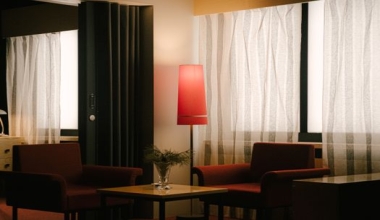
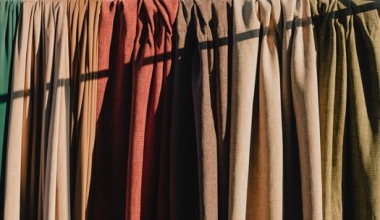
When selecting curtain fabrics for commercial, hospitality, or residential projects, one of the most critical decisions is choosing between FR (flame retardant) polyester and standard polyester. Both are popular choices in the textile industry, but they serve very different purposes, especially when safety regulations and performance requirements come into play. This in-depth guide will break down everything you need to know about FR polyester vs standard polyester, including fire safety, durability, cost, and best-use scenarios for blackout, sheer, velvet, and acoustic curtains.
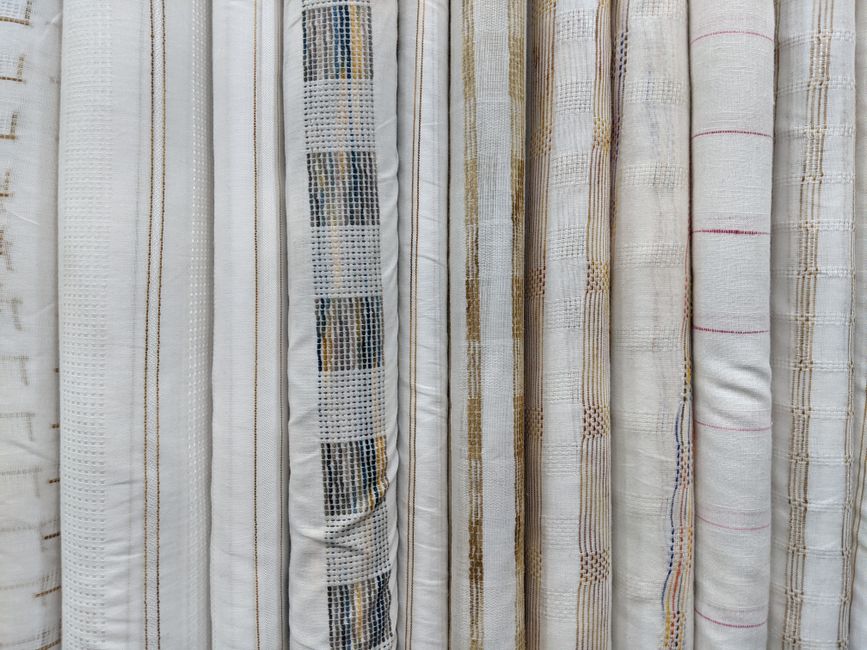
What is FR Polyester?
FR polyester stands for flame retardant polyester. It is a synthetic fiber that has been chemically modified or treated to resist ignition and slow the spread of flames. Unlike standard polyester, which will melt and drip when exposed to fire, FR polyester is engineered to self-extinguish once the flame source is removed. This is achieved either by incorporating flame-retardant additives into the polymer during manufacturing (inherent FR) or by applying a topical flame-retardant finish to the finished fabric (treated FR).
Inherently FR polyester is often preferred because the flame-retardant properties are permanent and cannot be washed out. Treated FR polyester, while effective, may lose some of its protective qualities after repeated cleanings or exposure to certain chemicals. For curtain fabrics, especially in public buildings, FR polyester is a mandatory requirement in many jurisdictions.
___PROTECTED_1___
What is Standard Polyester?
Standard polyester, also known as polyethylene terephthalate (PET), is the most common type of polyester used in textiles. It is a synthetic fiber made from petroleum-based chemicals. Standard polyester is prized for its strength, wrinkle resistance, quick-drying properties, and affordability. It is used in everything from clothing to home furnishings, including curtains, upholstery, and bedding.
However, standard polyester is highly flammable. When exposed to an open flame, it will melt, shrink, and drip burning molten polymer, which can cause severe burns and rapidly spread fire. Because of this, standard polyester is not suitable for environments where strict fire safety regulations are enforced, such as schools, hospitals, theaters, and high-rise buildings.
___PROTECTED_2___
Key Differences Between FR and Standard Polyester
While both fabrics share many physical characteristics, their fire behaviour sets them apart. Below is a detailed comparison table:
| Aspect | FR Polyester | Standard Polyester |
|---|---|---|
| Flammability | Self-extinguishing, does not melt or drip | Melts, drips, and ignites easily |
| Fire Safety Certifications | Meets NFPA 701, BS 5867, EN 13773, etc. | No inherent fire resistance; usually fails such tests |
| Durability | Slightly reduced tensile strength due to additives | Very strong and resilient |
| Cost | Up to 20-30% more expensive | Economical and widely available |
| Care & Maintenance | Requires mild detergents; avoid chlorine bleach | Standard washing and drying methods |
| Applications | Public spaces, commercial buildings, safety-critical uses | Residential, low-risk environments |
Fire Safety Standards and Certifications
One of the primary reasons to choose FR polyester over standard polyester is compliance with fire safety regulations. Depending on your location and the intended use, curtains may need to meet specific standards. Common certifications include:
- NFPA 701 – US standard for flame propagation of textiles and films.
- BS 5867 – UK standard for fabrics for curtains and drapes with fire-retardant properties.
- EN 13773 – European standard for curtains and drapes – burning behaviour.
- CAN/ULC S109 – Canadian flame tests for textiles.
When you order FR polyester curtains, they come with test certificates proving compliance. Standard polyester fabrics rarely pass these tests without additional treatment, which makes them unsuitable for most commercial projects. Always ask for documentation from your supplier to verify the flame retardant properties.
Performance Comparison: Durability, Lightfastness, and Maintenance
While fire behaviour is the main differentiator, there are other performance aspects to consider.
Durability
Standard polyester is known for its exceptional tensile strength and abrasion resistance. FR polyester, especially inherent FR types, may have slightly lower mechanical strength because the additives can interfere with polymer chains. However, modern manufacturing has minimized this difference, and high-quality FR polyester can be just as durable for curtain applications. For heavy-duty use, choose an FR fabric with a higher denier or a woven construction.
Lightfastness
Both fabrics perform well in terms of resisting UV damage. However, some FR treatments can cause yellowing over time when exposed to sunlight. To avoid this, look for FR polyester that is solution-dyed (colour added during spinning) rather than piece-dyed. Solution-dyed FR fabrics maintain colourfastness and resist fading better than standard dyed polyester.
Maintenance and Cleaning
Standard polyester is forgiving: it can be machine washed warm, tumble dried low, and ironed at a cool setting. FR polyester requires more care. Harsh detergents, bleach, and high heat can degrade the flame-retardant chemicals. Always follow the care label instructions. Professional dry cleaning is often recommended for FR curtains to preserve their fire safety properties.
Applications in Curtain Fabrics: Blackout, Sheer, Velvet, and Acoustic
Both FR and standard polyester are used to make various curtain fabrics. Here’s how they compare across common types:
Blackout Curtains
Blackout curtains are designed to block light and provide privacy. They are often made with a foam or coating backing. FR blackout polyester is widely used in hotel rooms, hospitals, and cinemas because these venues must meet fire codes. Standard blackout polyester is common in residential settings where fire regulations are less strict. The FR version, however, also tends to have better thermal insulation properties due to the denser weave and flame-retardant chemicals.
Sheer Curtains
Sheer curtains are lightweight and translucent. FR sheer polyester is ideal for large public windows in offices, atriums, and event spaces. It provides a soft, elegant appearance without compromising safety. Standard sheers are cheaper but should never be used near heat sources or in crowded venues.
Velvet Curtains
Velvet curtains add luxury and excellent sound absorption. FR velvet polyester is a popular choice for theatres, conference rooms, and luxury hospitality. The FR treatment does not significantly alter the fabric’s texture or drape. Standard velvet polyester, on the other hand, is mainly used in homes where there is no legal requirement for flame retardancy. If you need acoustic curtains for a commercial space, FR velvet is the safer bet.
Acoustic Curtains
Acoustic curtains are meant to reduce noise. They are usually heavyweight and often combine layers of dense fabrics. Both FR and standard polyester acoustic curtains exist. However, due to their use in public venues like auditoriums and offices, FR is the preferred choice. The dense construction of acoustic curtains, combined with FR treatment, can still meet sound absorption ratings while ensuring fire safety.
Cost Considerations: Is FR Polyester Worth It?
FR polyester typically costs 20%–30% more than standard polyester. The price difference is due to the additional chemical processes and certifications required. But the cost is justified in many situations:
- Legal compliance: Avoid fines, lawsuits, and project delays.
- Life safety: Protect people from fire hazards.
- Insurance premiums: Many insurance companies offer lower rates for buildings that use flame-retardant materials.
- Long-term performance: High-quality FR polyester can last as long as standard polyester with proper care.
For residential use, the added expense may not be necessary unless you have specific risk factors like a kitchen with open flames, a fireplace, or a family member who smokes. In commercial projects, however, FR polyester is non-negotiable.
How to Choose Between FR and Standard Polyester
Here is a practical checklist to guide your decision:
- Identify your building’s use and fire code requirements. Commercial and public buildings must adhere to strict flammability standards. In that case, choose FR polyester.
- Consider the location of the curtains. Areas with high fire risk (e.g., near heaters, kitchens, or exits) require FR.
- Assess the warranty and aftercare. If you need an easy-care fabric for a rental property, standard polyester might be more practical but check local laws.
- Balance safety and aesthetic. FR polyester is available in virtually every colour and weave, so you don’t have to sacrifice style.
- Request fabric samples and test certificates. Always verify that the FR polyester’s certification matches the standards required in your country.
Conclusion
Choosing between FR polyester and standard polyester boils down to safety versus cost. If you are outfitting a home with low fire risk and want a budget-friendly option, standard polyester sheer, blackout, velvet, or acoustic curtains can be perfectly adequate. But if you are outfitting a hotel, hospital, school, theatre, or any public space, you absolutely need FR polyester to meet fire regulations and protect lives. With FR polyester, you get peace of mind, compliance, and often better durability in the long run. Always consult a qualified fabric supplier to ensure your chosen fabric meets the exact safety standards for your project.