When choosing curtains, few fabrics offer the timeless elegance and natural appeal of linen. Known for its relaxed drape, breathable texture, and durability, linen curtain fabric has been a staple in homes and commercial spaces for centuries. This comprehensive guide will take you through everything you need to know about linen curtain fabric—from its origins and properties to care tips and buying advice. Whether you're renovating a cozy living room or dressing up a hotel lobby, understanding linen will help you make an informed choice that blends beauty with functionality.
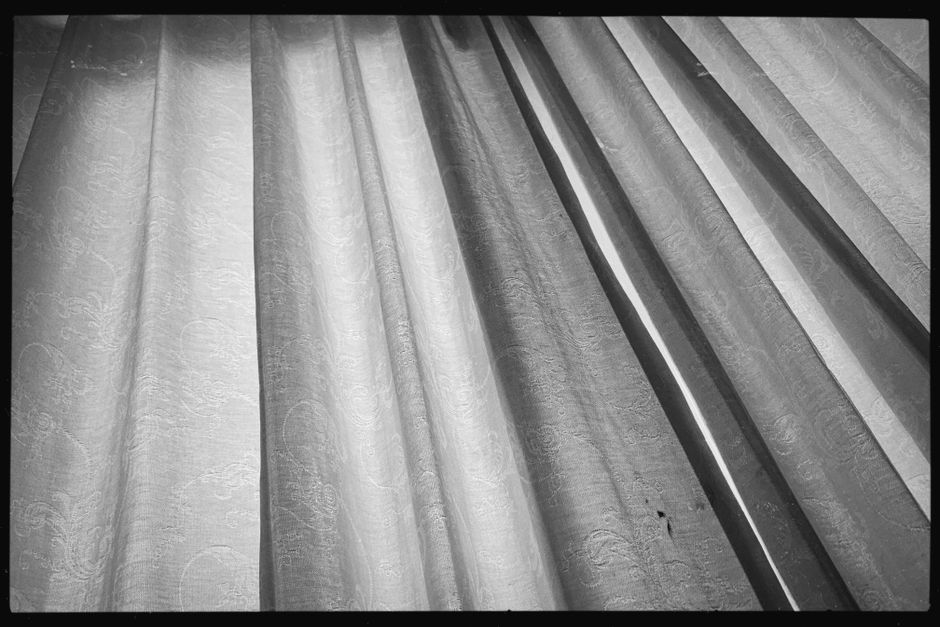
What Is Linen Curtain Fabric?
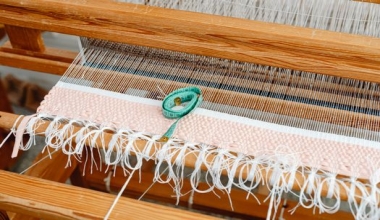
Linen is a natural fiber derived from the flax plant (Linum usitatissimum). Unlike cotton, which comes from the cotton boll, linen is extracted from the stalk of the flax plant. The fibers are long, strong, and naturally lustrous. Linen curtain fabric is woven from these fibers, resulting in a cloth that is lightweight, breathable, and has a distinct textured appearance. Its natural color ranges from off-white to tan, although it is often dyed or bleached for different aesthetics. Linen has been used for textiles for thousands of years, with evidence dating back to ancient Egypt, where it was used for clothing, burial shrouds, and later, household linens.
___PROTECTED_1___
The Unique Properties of Linen
Linen stands out from other curtain fabrics due to its unique combination of properties. First, it is highly absorbent, able to take in up to 20% of its weight in moisture without feeling damp. This makes it ideal for humid environments as it helps regulate humidity. Second, linen is naturally antibacterial and hypoallergenic, resisting mold, mildew, and dust mites—perfect for allergy sufferers. Third, it has excellent heat conductivity; linen curtains keep rooms cooler in summer by allowing air circulation, and warmer in winter by trapping air in its fibers. Additionally, linen is incredibly durable and becomes softer with each wash, developing a beautiful lived-in look. However, it is prone to wrinkling, which many people consider part of its charm.
___PROTECTED_2___
Benefits of Linen Curtains
1. Aesthetic Appeal: Linen curtains offer a casual, organic elegance that complements both modern and traditional interiors. They come in a variety of weaves—from plain to herringbone—and a wide range of colors.
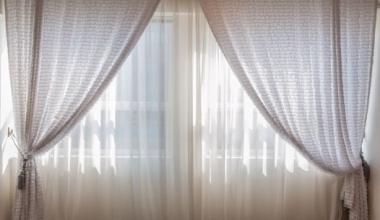
2. Light Control: Depending on the weave density, linen can provide soft diffused light or near-complete privacy. Sheer linen curtains filter sunlight gently, while heavier linen or lined versions offer more blackout capability.
3. Eco-Friendly: Flax requires fewer pesticides and less water than cotton, making linen a more sustainable choice. It is also biodegradable.
4. Breathability: Linen allows air to pass through freely, preventing stuffiness and reducing condensation on windows.
5. Longevity: With proper care, linen curtains can last for decades. The fibers become stronger when wet, so they resist tearing during washing.
Common Uses for Linen Curtains
Residential Applications
- Living Rooms: Floor-to-ceiling linen panels create an airy, sophisticated look. They pair well with velvet or blackout liners for versatility.
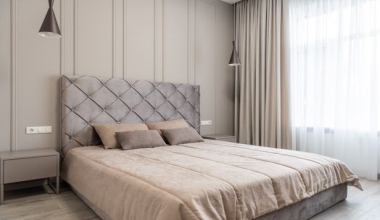
- Bedrooms: Linen curtains with a blackout lining provide privacy and light control while maintaining the fabric's natural texture.
- Kitchens and Bathrooms: Linen's moisture-wicking properties make it suitable for high-humidity areas. Use shorter lengths or café style.
- Home Offices: Sheer linen curtains reduce glare without blocking natural light, improving productivity.
Commercial Applications
- Hotels and Resorts: Linen curtains add a luxurious, resort-like feel to guest rooms and lobbies. Often combined with blackout linings for sleeping comfort.
- Restaurants: Soft linen drapes create an intimate atmosphere while being easy to launder and maintain.
- Office Spaces: Acoustically transparent linen curtains can help absorb sound without deadening the room, ideal for open-plan layouts.
- Retail and Showrooms: The natural drape of linen showcases merchandise elegantly while controlling sunlight.
How to Care for Linen Curtains
Proper care extends the life of your linen curtains. Follow these practical tips:
- Washing: Most linen curtains can be machine washed on a gentle cycle using cold or lukewarm water. Use a mild detergent. Avoid bleach, as it can weaken fibers and cause yellowing.
- Drying: Air drying is best—hang the curtains while still damp to reduce wrinkles. If using a dryer, choose low heat and remove while slightly damp.
- Ironing: Iron while still damp using a medium-hot iron. Linen wrinkles easily, but that is part of its character. For a crisp look, use starch.
- Dry Cleaning: For lined or structured curtains, dry cleaning is recommended to maintain shape. Check the care label.
- Stain Removal: Treat stains immediately with a gentle spot cleaner. Linen is absorbent, so blot—do not rub.
Linen vs. Other Curtain Fabrics
| Property | Linen | Cotton | Polyester | Velvet |
|---|---|---|---|---|
| Breathability | Excellent | Good | Poor | Poor |
| Wrinkle Resistance | Low | Medium | High | Medium |
| Durability | Very High | Medium | High | Medium |
| Eco-Friendliness | Excellent | Good | Poor | Depends |
| Light Control | Variable | Good (if lined) | Good | Excellent (blackout usually) |
| Cost | Medium-High | Low-Medium | Low | Medium-High |
Linen offers a unique balance of natural beauty, durability, and sustainability that synthetic fabrics cannot match. While it requires more care, many consider it worth the effort.
Buying Guide: What to Look For
When purchasing linen curtain fabric, consider the following:
- Weight: Lightweight linen (4-6 oz) is best for sheers and flowing panels. Medium weight (6-8 oz) works for standard curtains. Heavyweight (8-12 oz) provides better opacity and drape.
- Weave: Plain weave is most common; herringbone and dobby weaves add texture. The tighter the weave, the more light-blocking and durable.
- Lining: For privacy and insulation, opt for lined linen curtains. Blackout lining is available if you need complete darkness.
- Color: Natural flax shades (cream, tan) hide wrinkles well and create a relaxed look. Darker colors may show lint more.
- Width and Length: Measure your window accurately. Linen may shrink slightly, so add a few inches. For fullness, multiply window width by 1.5 to 3 times.
- Certifications: Look for Oeko-Tex or GOTS certified linen for chemical-free assurance.
Conclusion
Linen curtain fabric is a classic choice that brings warmth, texture, and natural elegance to any space. Its unique properties—breathability, durability, and eco-friendliness—make it superior to many synthetics. While it requires a bit more care, the aesthetic and functional rewards are substantial. Whether you're after soft filtered light or a sturdy lined curtain, linen offers options that can be tailored to your needs. Use this guide to choose the best linen fabric for your home or business, and enjoy the timeless beauty of this natural material for years to come.