Understanding Velvet Curtain Fabric: Composition and Properties
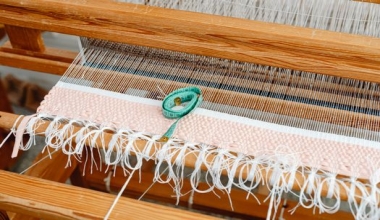
Velvet is a woven fabric with a distinctive soft, plush texture created by cutting loops of warp threads. Traditionally made from silk, modern velvet is produced from cotton, rayon, polyester, or blends. For soundproofing, the key properties are density (mass per square yard), thickness, and fiber structure. Velvet's dense pile can trap sound waves, but the degree of effectiveness depends on construction quality and weight.
___PROTECTED_1___
How Velvet Fabric Contributes to Soundproofing
Soundproofing, or more accurately sound dampening, relies on mass, absorption, and decoupling. Velvet curtains act primarily through absorption and some mass. The plush pile creates a porous surface that converts sound energy into heat through friction. Denser weaves (e.g., 600+ grams per square meter) perform better. Unlike rigid panels, fabric curtains also add a layer of air gap (if hung away from wall) which helps in decoupling. However, velvet alone is rarely sufficient for full sound isolation; it is best suited for reducing echo and mid-to-high frequency noise.
Key Factors Influencing Velvet's Acoustic Performance
- Fabric Weight: Heavier velvet (e.g., 12-16 oz per yard) absorbs more sound.
- Pile Height: Longer pile traps more air and sound, but too long may become flimsy.
- Weave Tightness: A tight weave increases mass and density.
- Lining: Acoustic lining (e.g., foam or mass loaded vinyl) dramatically improves performance.
___PROTECTED_2___
Limitations: Where Velvet Falls Short for Sound Dampening
Velvet curtains have limitations, especially against low-frequency sounds (bass). Because low frequencies have long wavelengths, they pass through fabric more easily. Velvet also provides less mass per unit area compared to specialized acoustic curtains with weighted linings. For serious noise reduction, velvet should be considered an aesthetic supplement rather than a standalone solution. Additionally, thicker velvet may trap moisture and require careful cleaning.
Comparing Velvet to Other Acoustic Curtain Materials
| Material | Sound Absorption | Best Use | Pros | Cons |
|---|---|---|---|---|
| Velvet | Moderate (mid/high freq) | Echo reduction, luxury rooms | Luxurious look, good absorption | Low bass efficiency, heavy care |
| Blackout (coated) | Low to Moderate | Light blocking, privacy | Budget-friendly, light control | Minimal acoustic value |
| Sheer | Very low | Diffusion, aesthetics | Lightweight, airy | No soundproofing |
| Acoustic (specialized) | High (all frequencies) | Studios, theaters | Designed for NRC up to 0.85 | More expensive, industrial look |
Practical Tips for Maximizing Soundproofing with Velvet Curtains
To get the most from velvet curtains:
- Floor-to-ceiling installation: Eliminate gaps for sound leaks.
- Use multiple layers: Combine velvet with blackout or acoustic lining.
- Hang away from windows: Create an air gap of 6-12 inches for decoupling.
- Choose heavy pleats: More fabric increases mass and surface area.
- Seal edges: Use brush strips or track systems to block side gaps.
- Add a valance: Top gaps often leak sound; a cornice box helps.
Industry Applications: When Velvet Makes Sense
Velvet curtains are popular in home theaters where they reduce echo and add a cinema aesthetic. Hotels use velvet for room corridors and suites to dampen hallway noise. Recording studios may use velvet as a decorative layer over acoustic panels. For conference rooms, velvet integrates elegance with functional sound dampening. However, for critical listening spaces, specialized acoustic fabric is recommended over velvet.
Care and Maintenance for Velvet Soundproofing Curtains
Velvet is delicate. Vacuum regularly using a brush attachment to prevent dust buildup which reduces sound absorption. Avoid machine washing unless the label permits; most velvet should be dry cleaned. Steam can help remove wrinkles but keep iron on low heat and use a pressing cloth. For sound performance, avoid over-washing that may compact the pile.
Buying Guide: What to Look for in Velvet Soundproofing Curtains
When shopping, prioritize:
- Weight: Look for at least 300-400 GSM (grams per square meter) or heavier.
- Lining: Acoustic liner like felt or foam boosts NRC rating.
- Fire resistance: Check for certifications (e.g., NFPA 701) for safety.
- Width and length: Custom sizes reduce sound gaps.
- Fabric composition: Polyester velvet often more durable and easier to clean than cotton.
In conclusion, Velvet Curtain Fabric can contribute to soundproofing as part of a layered approach, but it is not a silver bullet. For significant noise reduction, combination with acoustic panels or specialized curtains is necessary.