Curtains are an essential part of any home, offering privacy, light control, insulation, and aesthetic appeal. However, they also act as magnets for dust, allergens, and odors. Knowing how often to clean them can extend their life, maintain their performance, and keep your indoor environment healthy. In this comprehensive guide, we’ll break down cleaning frequencies for different fabric types—blackout, sheer, velvet, and acoustic—and consider factors like location, lifestyle, and care methods.
General Guidelines for Curtain Cleaning Frequency
As a rule of thumb, most curtains benefit from a light cleaning (vacuuming or dusting) every 2–4 weeks, with a deep wash or professional cleaning every 3–12 months. However, the exact frequency depends on fabric type, room usage, and environmental factors. The table below provides a quick reference.
| Fabric Type | Light Cleaning (Vacuum/Dust) | Deep Cleaning (Wash/Dry Clean) |
|---|---|---|
| Blackout | Every 2–4 weeks | Every 3–6 months |
| Sheer | Every 1–2 weeks | Every 3–4 months |
| Velvet | Every 2–4 weeks | Every 6–12 months (professional) |
| Acoustic | Every 2–4 weeks | Every 6–12 months (professional) |
___PROTECTED_1___
Factors That Influence How Often You Should Clean Curtains
Several variables can shift the cleaning schedule up or down. Consider these when deciding:
- Room Location: Curtains in high-traffic areas or near open windows (e.g., living room, kitchen) collect more dirt and require more frequent cleaning than those in bedrooms or formal dining rooms.
- Allergies & Pets: If you have allergy sufferers or furry friends, vacuum curtains weekly to reduce dust, dander, and pollen. Deep clean every 3 months.
- Cooking & Smoke: Kitchens and rooms near fireplaces or smoking areas need more frequent cleaning—every 2–3 months for deep cleaning—because grease and smoke particles cling to fabric.
- Sun Exposure: Direct sunlight can fade fabrics but also kills some bacteria. However, UV rays degrade fibers over time, so regular gentle cleaning helps prolong life.
- Children: Homes with small children may need spot cleaning more often due to spills and fingerprints.
- Seasonal Changes: In spring and fall, when windows are open more, curtains trap more outdoor pollutants. Consider a seasonal deep clean.
___PROTECTED_2___
Cleaning Frequency by Curtain Fabric Type
Blackout Curtains
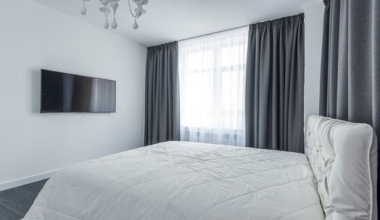
Blackout curtains are typically made of multiple layers, including a thick backing that blocks light. They are heavy and often have special coatings. Because they trap dust between layers, vacuuming with a brush attachment every 2–4 weeks is crucial. For deep cleaning, most blackout curtains are machine washable on a gentle cycle (check label), but the coating may degrade with frequent washing. Aim for a wash every 3–6 months, or spot clean as needed. Avoid wringing or tumble drying on high heat; line dry or use low heat. If the backing is laminated, professional cleaning is safer.
Sheer Curtains
Sheer fabrics are delicate and prone to snagging. They collect dust quickly due to their open weave. Lightly hand vac or dust every 1–2 weeks. Sheers can be machine washed in a delicates bag on a gentle cycle with cool water every 3–4 months. Use mild detergent and avoid bleach. Hang to dry to prevent wrinkles. Because they are lightweight, they dry quickly. Sheers by windows that are frequently opened may need more frequent washing.
Velvet Curtains
Velvet is luxurious but high-maintenance. Its pile traps dust, so regular vacuuming with a soft brush attachment (following the nap) is essential every 2–4 weeks. Deep cleaning is trickier: velvet should rarely be machine washed as it can crush the pile or cause water spots. Professionally dry clean velvet curtains every 6–12 months, or spot clean with a gentle cleaner and a cloth. Avoid steam cleaning unless recommended by the manufacturer. Between cleanings, use a fabric steamer to refresh and remove minor odors.
Acoustic Curtains
Acoustic curtains are designed to absorb sound, using dense, often multi-layer materials like felt or foam. They are heavy and hang closer to walls or windows. Dust them every 2–4 weeks using a vacuum with a crevice tool. Deep cleaning depends on the fabric: many acoustic curtains are dry clean only because moisture can damage the sound-absorbing properties. Professional cleaning every 6–12 months is ideal. For light freshening, air them outdoors on a dry day or use a fabric refresher spray. Avoid machine washing unless the care label explicitly allows it.
Signs Your Curtains Need Cleaning
Even if you follow a schedule, watch for these indicators:
- Visible dust or discoloration, especially along the bottom hem.
- Musty or smoky odors.
- Increased allergy symptoms (sneezing, itchy eyes) when in the room.
- Stains, spots, or yellowing from sun exposure.
- Fabric feels stiff or sticky (grease build-up).
- Limpness or loss of shape (for blackout or acoustic curtains).
If you notice any of these, it’s time to clean—regardless of the calendar.
Professional vs. DIY Cleaning
Deciding between professional and DIY depends on fabric, time, and budget. Here’s a breakdown:
- DIY Vacuuming: Essential for all curtains, weekly to monthly. Use a low-suction vacuum with a brush attachment to avoid pulling threads.
- DIY Spot Cleaning: For small stains, use a mild detergent diluted in water; test on an inconspicuous area first.
- Machine Washing: Safe for most blackout and sheer curtains if labeled. Use gentle cycle, cold water, and mild detergent. Never overload the machine.
- Professional Cleaning: Recommended for velvet, acoustic, lined, or heavily soiled curtains. Professionals have the equipment to handle large, heavy drapes and can preserve fabric integrity.
- Steam Cleaning: Can be used for freshening but may damage certain coatings. Not advised for acoustic curtains unless specified.
Step-by-Step Care Tips for Each Fabric
Here’s a quick care summary in table format for easy reference:
| Fabric | Daily/Weekly Care | Monthly Care | Biannual/Annual Care |
|---|---|---|---|
| Blackout | Dust with feather duster | Vacuum with brush | Machine wash or professional clean every 3–6 months |
| Sheer | Shake gently outdoors | Vacuum lightly | Hand or machine wash every 3–4 months |
| Velvet | Brush nap with soft cloth | Vacuum gently with brush | Professional clean every 6–12 months |
| Acoustic | Dust with microfiber cloth | Vacuum with crevice tool | Professional clean every 6–12 months |
Conclusion
Regular Curtain Cleaning is vital for hygiene, longevity, and maintaining their functional benefits—whether it’s blackout darkness, sheer elegance, velvet luxury, or acoustic comfort. A consistent routine of gentle vacuuming and timely deep cleaning based on fabric type will keep your curtains looking fresh and performing well for years. Always check the manufacturer’s care label first, and when in doubt, opt for professional cleaning. By tailoring your schedule to your environment and the fabric, you’ll enjoy beautiful, clean curtains that enhance your home.