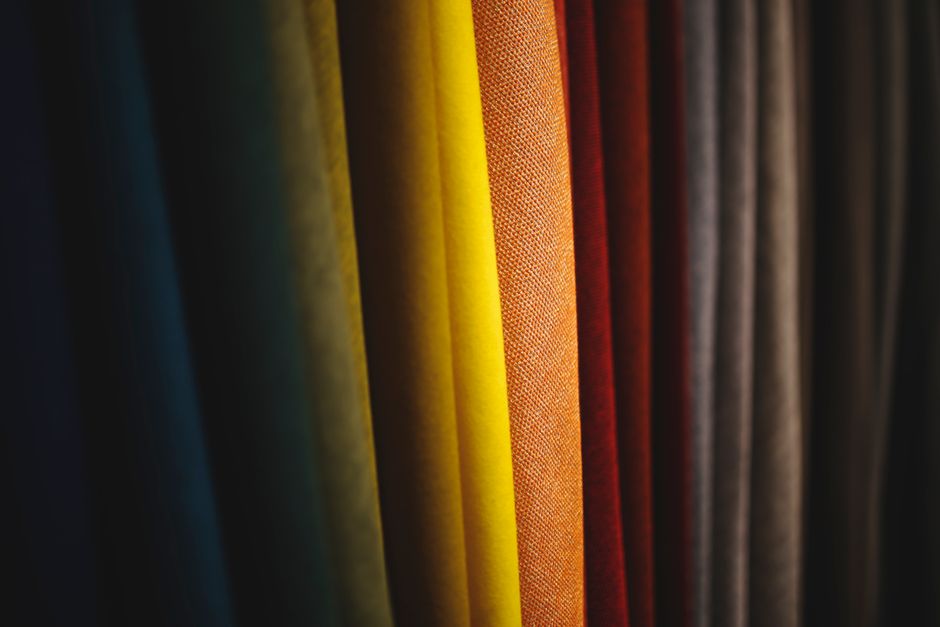
Introduction to Polyester Curtain Fabric
Polyester curtain fabric is one of the most popular and versatile materials in the world of window treatments. Made from synthetic fibers derived from petroleum, polyester offers a unique combination of durability, affordability, and performance that natural fabrics often struggle to match. Whether you're looking for blackout curtains to block light, sheer panels for a soft glow, velvet for luxury, or acoustic drapes for sound absorption, polyester is a go-to choice for homeowners, interior designers, and businesses alike. In this comprehensive guide, we'll explore everything you need to know about polyester curtain fabric—its properties, types, advantages, care tips, and how it compares to other materials. By the end, you'll be equipped to make an informed decision for your next curtain project.
___PROTECTED_1___
What Is Polyester?
Polyester is a synthetic polymer made primarily from ethylene glycol and terephthalic acid, which undergo a chemical reaction to form long chains of polyethylene terephthalate (PET). These fibers are then spun into yarns and woven or knitted into fabrics. First introduced in the 1940s, polyester quickly gained popularity due to its strength, resistance to stretching, and ability to hold shape. Today, it's the most widely used fiber in the textile industry, accounting for over 50% of global fiber production. In curtain fabrics, polyester is often blended with cotton, linen, or other materials to enhance performance, but pure polyester curtains are also common.
___PROTECTED_2___
Key Properties of Polyester Curtain Fabric
Understanding the physical and functional properties of polyester helps explain why it's so widely used for curtains. Here are the standout characteristics:
Durability and Strength
Polyester fibers are incredibly strong and resistant to tearing, abrasion, and stretching. Curtains made from polyester can withstand frequent opening and closing, exposure to sunlight, and general wear and tear without losing their shape or integrity. This makes them ideal for high-traffic areas like living rooms, offices, and commercial spaces.
Wrinkle Resistance
One of the biggest advantages of polyester is its natural resistance to wrinkles. Unlike cotton or linen, polyester curtains rarely require ironing. They come out of the dryer with minimal creases, saving you time and effort in maintenance.
Fade Resistance
Polyester holds dye exceptionally well and is resistant to fading from UV exposure. Even with prolonged sunlight, polyester curtains retain their color vibrancy, making them suitable for sunny rooms.
Moisture Wicking and Quick Drying
Polyester is hydrophobic, meaning it repels water rather than absorbing it. As a result, it dries quickly and resists mildew and mold growth. This property is especially beneficial in humid environments like bathrooms and kitchens.
Lightweight and Drapability
Polyester fibers are lightweight, yet they can be engineered to have a nice drape. Manufacturers can adjust the weight, weave, and finish to create anything from airy sheers to heavy blackout fabrics.
Insulation and Sound Absorption
Depending on the construction, polyester can provide thermal insulation (helping to keep rooms warm in winter and cool in summer) and sound absorption (reducing noise levels). Acoustic curtains often use thick, multi-layer polyester to dampen echoes and outside noise.
Types of Polyester Curtains
Polyester is the foundation for many popular curtain styles. Here's how it performs in specific applications:
Blackout Polyester Curtains
Blackout curtains are designed to block 90–99% of incoming light. Polyester is an excellent base because it can be woven tightly and coated with a light-blocking layer (often acrylic foam or a black interior layer). These curtains are ideal for bedrooms, nurseries, home theaters, and commercial hotels. Tip: Look for blackout polyester curtains with a high thread count and a triple-weave construction for maximum light blockage.
Sheer Polyester Curtains
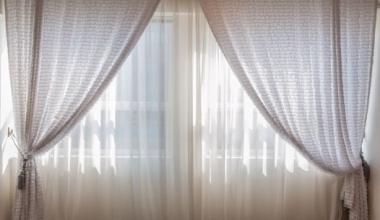
Sheer curtains allow filtered light to pass through while providing moderate privacy. Polyester sheer fabrics are lightweight, semi-transparent, and drape beautifully. They resist sagging and are easier to clean than natural fiber sheers. Perfect for living rooms and dining spaces where you want to soften sunlight without sacrificing the view.
Polyester Velvet Curtains
Velvet is traditionally made from silk or cotton, but polyester velvet offers a luxurious look at a fraction of the cost. Polyester velvet curtains have a soft, plush pile, excellent drapability, and good insulation properties. They are wrinkle-resistant and more durable than natural velvet. Use them in formal settings like dining rooms or cozy bedrooms for a touch of elegance.
Acoustic Polyester Curtains
Acoustic curtains are designed to absorb sound and reduce noise transmission. They are typically made from dense, multi-layer polyester with a felt-like backing. These curtains are used in recording studios, offices, classrooms, and open-plan homes to improve acoustics. Tip: For better sound absorption, choose curtains with a weight of at least 300 GSM (grams per square meter) and floor-to-ceiling length.
Advantages of Polyester Curtain Fabric
- Cost-Effective: Polyester is significantly cheaper than natural fibers like silk, linen, or cotton, making it accessible for budget-conscious projects.
- Easy Care: Machine washable, quick drying, and wrinkle-resistant. Most polyester curtains can be washed at home without special treatment.
- Versatile Designs: Polyester can be dyed in any color, printed with patterns, or textured to mimic natural fabrics. The design possibilities are endless.
- Allergy-Friendly: Unlike wool or cotton, polyester does not absorb dust mites or mold, making it a hypoallergenic choice for allergy sufferers.
- Eco-Friendly Options: Recycled polyester (made from PET bottles) is now widely available, reducing environmental impact while retaining all the benefits.
Disadvantages and How to Mitigate
No fabric is perfect. Polyester has some drawbacks:
- Lack of Breathability: Polyester can trap heat and moisture if not properly woven. Solution: Choose blends with cotton or linen for better air circulation, or use polyester curtains in air-conditioned rooms.
- Static Cling: Synthetic fibers tend to build static electricity, attracting dust. Solution: Wash with fabric softener or use an anti-static spray.
- Lower Thermal Regulation: While polyester insulates, it doesn't breathe like cotton. For rooms that need temperature regulation, consider lined polyester curtains.
- Environmental Concerns: Virgin polyester is petroleum-based and non-biodegradable. Solution: Opt for recycled polyester curtains to reduce carbon footprint.
Polyester vs. Other Curtain Fabrics
| Property | Polyester | Cotton | Linen | Silk |
|---|---|---|---|---|
| Durability | High | Moderate | Low-Moderate | Moderate |
| Wrinkle Resistance | Excellent | Low | Low | Moderate |
| Fade Resistance | High | Moderate | Low-Moderate | Low |
| Cost | Low-Medium | Medium | High | Very High |
| Care | Easy | Moderate | Difficult | Delicate |
| Light Blocking | Excellent (blackout) | Moderate | Low | Moderate |
How to Choose the Right Polyester Curtain
When selecting polyester curtains, consider these factors:
- Purpose: Start with your primary need—light control (blackout), privacy (sheer), luxury (velvet), or noise reduction (acoustic).
- Weight and Weave: For blackout and acoustic, go for heavy, tightly woven fabrics (GSM 200+). For sheers, choose lightweight, open weaves (GSM 50-100).
- Lining: Unlined polyester curtains provide a casual look; lined ones add insulation and light blockage. Many polyester curtains come with a built-in liner.
- Color and Pattern: Polyester holds color well, so you can choose bold hues or subtle neutrals. Consider the room's existing decor.
- Fire Retardancy: In commercial settings, ensure the fabric meets local fire safety standards. Many polyester curtains are inherently flame-retardant or treated.
- Blends: Polyester-cotton blends offer the best of both worlds—softness of cotton with durability of polyester. Polyester-linen blends give a natural texture with easier care.
Care and Maintenance Tips
Proper care extends the life of your polyester curtains:
- Washing: Machine wash in cold water on a gentle cycle. Use mild detergent. Avoid bleach.
- Drying: Tumble dry on low heat or hang to dry. Remove slightly damp to avoid wrinkles—but polyester rarely creases.
- Ironing: If needed, use a low heat setting. Test on a small area first. Steam can help remove stubborn wrinkles.
- Dry Cleaning: Some lined or blackout curtains may require dry cleaning. Check the label.
- Spot Cleaning: For small stains, blot with a damp cloth and mild soap. Avoid rubbing.
- Dusting: Use a vacuum with a brush attachment to remove dust periodically.
- Avoid Direct Heat: Do not place near radiators or in direct flame. Polyester can melt at high temperatures.
Frequently Asked Questions
Is polyester curtain fabric good for blocking light?
Yes, especially when constructed with a dense weave or special blackout coating. Polyester blackout curtains can block up to 99% of light.
Can polyester curtains be used outdoors?
Some polyester curtains are UV-treated and water-resistant for outdoor use, but standard indoor curtains may fade or degrade in direct sunlight over time.
How do I remove wrinkles from polyester curtains?
Hang them in a steamy bathroom or use a steamer. A low-heat iron with a press cloth can also work. Typically, wrinkles fall out quickly.
Are polyester curtains flammable?
Polyester is flammable, but many curtains are treated with flame retardants. Always check the label for fire safety certifications, especially for commercial use.
What is GSM in polyester curtains?
GSM stands for grams per square meter, indicating fabric weight. Higher GSM means thicker, denser fabric. For blackout or acoustic, aim for 300+ GSM; for sheers, 50-100 GSM.
Conclusion
Polyester curtain fabric offers an unbeatable combination of performance, price, and practicality. Whether you need blackout panels for a serene bedroom, sheer curtains for a light-filled living area, velvet drapes for a touch of luxury, or acoustic curtains for a quiet workspace, polyester delivers. With proper care and the right choice, polyester curtains can provide years of service and style. As a responsible consumer, you can even opt for recycled polyester to minimize environmental impact. Use this guide to find the perfect polyester curtain for your space, and enjoy the benefits of this versatile fabric.