Welcome to the ultimate beginner's guide to curtain fabrics. Whether you're outfitting your first home, updating a room, or selecting fabrics for a commercial space, understanding the different types of curtain fabrics is key to making the right choice. This guide covers everything from sheer to blackout, velvet to acoustic, and includes practical care tips and buying advice.
What Are Curtain Fabrics?
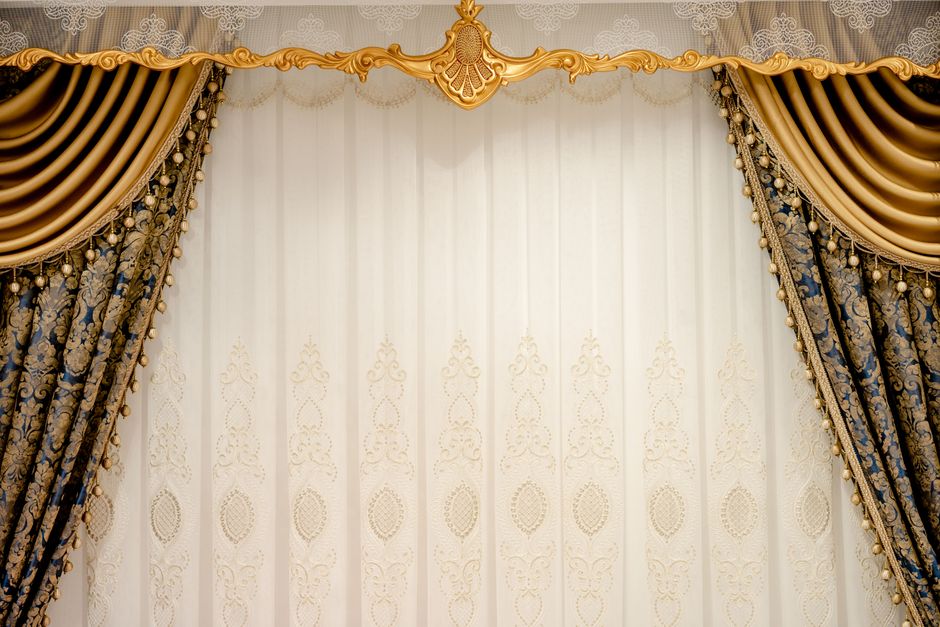
Curtain fabrics are materials used to make window coverings. They vary in weight, opacity, texture, and function. The fabric you choose affects light control, privacy, insulation, and aesthetics. Beginners often get overwhelmed by options, but knowing the basic categories simplifies the process.
___PROTECTED_1___
Types of Curtain Fabrics
Blackout Curtain Fabrics
Blackout fabrics are designed to block nearly all light. They typically have a dense weave or a special coating (often foam or acrylic) on the back. Ideal for bedrooms, home theaters, and nurseries. Benefits include improved sleep, energy efficiency, and UV protection.
- Material: Polyester is most common; also available in cotton blends.
- Weight: Heavy and thick.
- Care: Usually machine washable on gentle cycle; avoid bleach.
Sheer Curtain Fabrics
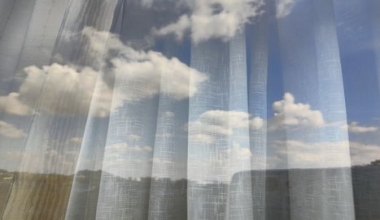
Sheer fabrics are lightweight, translucent, and allow natural light to filter through while providing minimal privacy. Made from cotton, linen, silk, or synthetics like polyester and voile. Perfect for living rooms, dining areas, or layered with heavier curtains.
- Opacity: 30-60% light blocking.
- Drape: Soft and flowing.
- Care: Hand wash or delicate machine cycle; iron on low.
Velvet Curtain Fabrics
Velvet offers a luxurious, plush texture and excellent light-blocking properties. Usually made from cotton, polyester, or blends. Adds warmth and elegance to formal spaces like master bedrooms or living rooms. Velvet can be heavy, so use sturdy rods.
- Weight: Medium to heavy.
- Insulation: Good thermal and sound insulation.
- Care: Dry clean recommended; some may be machine washed on gentle.
Acoustic Curtain Fabrics
Acoustic or sound-absorbing curtains are designed to reduce noise levels. They are made from thick, multilayered materials with high density, often including a felt-like inner layer. Ideal for offices, recording studios, and apartments near busy streets.
- Material: Polyester, wool, or specialized blends.
- Performance: Can reduce noise by up to 50%.
- Care: Vacuum with brush attachment; spot clean as needed.
___PROTECTED_2___
How to Choose the Right Curtain Fabric
Consider these factors:
| Factor | Consideration |
|---|---|
| Light Control | Blackout for total darkness; sheer for soft light; velvet for semi-blackout. |
| Privacy | Sheer offers little privacy at night; blackout and velvet provide full privacy. |
| Insulation | Velvet and acoustic fabrics offer best thermal insulation. |
| Maintenance | Polyester is easiest; silk requires special care. |
| Budget | Polyester is affordable; natural fibers cost more. |
Also think about the room's purpose, existing décor, and your lifestyle. For example, families with kids might prefer machine-washable polyester blackout curtains.
Curtain Fabric Care Tips
Proper care extends the life of your curtains. Always check the label first. General guidelines:
- Dust regularly with a vacuum cleaner using a brush attachment.
- Machine washable curtains: use cold water, gentle cycle, mild detergent. Avoid fabric softeners.
- Dry clean for delicate fabrics like silk, velvet, or lined curtains.
- Avoid direct sunlight to prevent fading; use linings if needed.
- Iron on low heat; steam can help remove wrinkles.
Buying Guide for Beginners
When shopping for curtain fabrics:
- Measure your windows: Width should be 1.5 to 3 times the window width for fullness.
- Consider lining: Separate linings add weight, insulation, and protect fabric.
- Ask for samples: See and feel the fabric before buying large quantities.
- Check return policies: Especially for custom cuts.
- Think about hardware: Heavy fabrics need sturdy rods and brackets.
Industry Application Cases
Curtain fabrics are used in various industries beyond homes:
- Hospitality: Hotels use blackout and velvet for guest rooms to ensure sleep quality and luxury.
- Healthcare: Sheer and blackout curtains for patient rooms to allow light control and privacy.
- Education: Acoustic curtains in classrooms to reduce noise and improve concentration.
- Offices: Sheer and blackout for meeting rooms to control glare and presentation lighting.
- Entertainment: Blackout curtains in theaters and studios for complete darkness.
As a beginner, you now have the knowledge to choose the perfect curtain fabric for any space. Remember to prioritize function, style, and care. Happy decorating!