When the temperature drops, your windows become the primary source of heat loss in your home. Up to 30% of heating energy can escape through poorly insulated windows. The right curtains act as a thermal barrier, reducing drafts and keeping warmth inside. This guide explores the best curtain solutions for cold climates, from fabric choices to installation techniques, ensuring your home stays cozy and energy-efficient all winter long.
How Curtains Reduce Heat Loss
Curtains combat heat loss through two main mechanisms: thermal resistance and air entrapment. Thick, dense fabrics create a layer of still air between the window and the room, which is a poor conductor of heat. Additionally, curtains with a thermal lining reflect radiant heat back into the room. The effectiveness depends on fabric, layering, and proper installation.
The Science of R-Value
R-value measures thermal resistance. While most curtains don't have an official R-value, heavy multilayered drapes can achieve an equivalent of R-5 to R-10. Compare that to a single-pane window (R-1) or double-pane (R-2 to R-3). Adding curtains can double or triple the insulation of your windows.
___PROTECTED_1___
Best Curtain Fabrics for Cold Climates
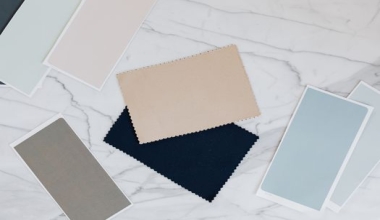
Not all curtains are created equal. For maximum warmth, choose fabrics that are dense, thick, and tightly woven.
Blackout Curtains
Blackout curtains typically have a foam or acrylic coating that blocks light and adds a thermal layer. Many blackout linings include a metallic reflective coating that bounces heat back inside. Look for blackout curtains with a triple-weave construction for superior insulation. They are excellent for bedrooms and rooms that face north or east.
Velvet Curtains
Velvet is a heavyweight fabric with a thick pile that traps air effectively. It offers a luxurious look and excellent thermal performance. However, velvet can be heavy and may require strong curtain rods. Opt for lined velvet for even better insulation.
Acoustic (Soundproof) Curtains
These curtains are designed to dampen sound, but they also excel at thermal insulation. They are made from multiple layers of dense material, often with a mass-loaded vinyl core. Acoustic curtains are perfect for large windows or sliding glass doors where heat loss is severe.
Wool and Heavy Blends
Natural wool curtains are excellent insulators due to the crimped fibers that trap air. Wool also manages moisture, preventing condensation. Blends of polyester and cotton with a high GSM (grams per square meter) also work well. Aim for a fabric weight of at least 300 GSM.
___PROTECTED_2___
Layering Curtains for Maximum Insulation
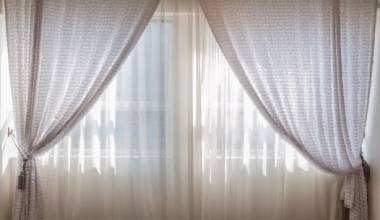
One of the most effective strategies is layering a sheer curtain with a heavy blackout or velvet curtain. The sheer layer prevents cold air from directly hitting the heavy curtain, reducing convection. Install a double rod or use a track system to combine a light-filtering inner curtain with an insulating outer curtain.
Example Layering Combinations
- Sheer + Blackout: The sheer protects the blackout from dust and adds a decorative element while allowing light during the day.
- Linen + Velvet: Linen provides a natural texture, while velvet adds warmth and opulence.
- Thermal Lined + Acoustic: For extreme climates, combine a lined curtain with an acoustic curtain for maximum insulation.
Proper Installation Tips for Winter
Even the best curtains won't perform well if they're installed incorrectly. Follow these tips to minimize heat loss.
Mount Curtains Above the Window Frame
Mount the curtain rod as close to the ceiling as possible, and extend it at least 6 inches beyond each side of the window. This prevents warm air from escaping over the top and reduces side drafts.
Use Floor-Length Curtains
Curtains should touch the floor or even pool slightly. Short curtains allow cold air to flow under the hem. Add a draft stopper (a fabric tube filled with sand or rice) at the bottom to block gaps.
Seal the Top with a Pelmet or Cornice
A pelmet (valance) or a cornice board covers the curtain header, blocking the stack effect that pulls warm air up and out. This can improve insulation by up to 25%.
Consider Curtain Tracks with Overlap
Tracks that allow curtains to overlap in the centre eliminate the gap where heat escapes. Some tracks come with a 'return' that seals the curtain to the wall.
Additional Features to Look For
When shopping, check for these enhancements that boost thermal performance.
| Feature | Benefit |
|---|---|
| Thermal lining (e.g., flannel, acrylic foam) | Adds a dense barrier that reduces heat transfer. |
| Interlining (e.g., cotton flannel, hollow-fiber) | Sandwiched between fabric and lining, increases R-value. |
| Reflective backing | Shines heat back into the room. |
| Magnetic side seals | Attach curtains to the wall, eliminating drafts. |
Curtain Care in Winter
Cold climates often bring condensation, which can lead to mold and mildew on curtains. To prevent this, ensure good ventilation and open curtains during the day to allow moisture to escape. Avoid washing curtains too frequently; instead, vacuum them with a brush attachment. If condensation is severe, consider using a dehumidifier. For velvet and wool, dry cleaning is recommended. Always follow the care label.
Conclusion
Investing in the right curtains for cold climates is a cost-effective way to improve comfort and reduce heating bills. Choose dense fabrics like blackout, velvet, or acoustic, layer them properly, and install them to seal all gaps. With the strategies outlined in this guide, you'll transform your windows from weak spots into warm, cozy features. Browse our collection of thermal curtains and start saving energy today.