Hotel curtain design has evolved from a purely functional necessity to a critical element of guest experience and branding. Today's trends blend aesthetics, technology, and sustainability to create spaces that are both inviting and efficient. This guide explores the latest developments in blackout, sheer, velvet, and acoustic curtains for hotels, offering practical insights for designers and managers.
The Rise of Blackout Curtains for Guest Comfort
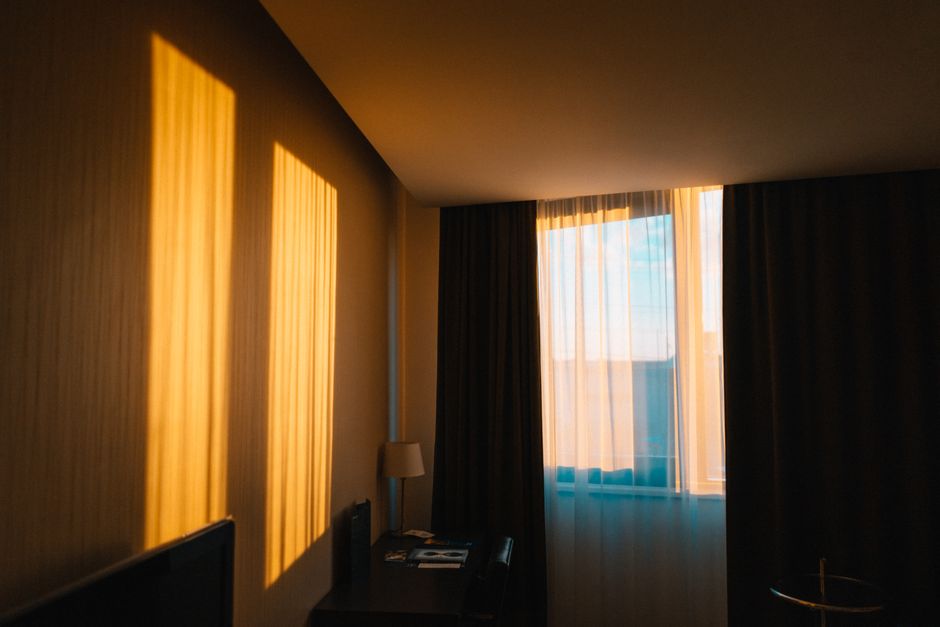
Blackout curtains are now standard in premium hotels. They block 99% of external light, ensuring deep sleep regardless of time zone. Modern fabrics use triple-weave technology with a dark core and decorative outer layers, eliminating the need for separate lining. Trends include motorized blackout shades integrated with room automation systems, allowing guests to control light via bedside tablets. For budget-friendly renovations, consider layered blackout liners behind existing drapes.
___PROTECTED_1___
Sheer Elegance: Layering and Light Control
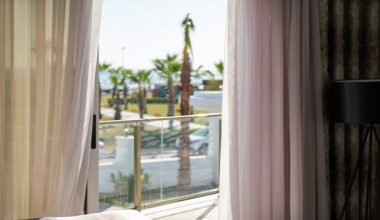
Sheer curtains soften natural light and provide daytime privacy without sacrificing views. Current trends use double layers: a translucent inner sheer for diffusion and an outer opaque panel for full closure. Textured sheers—like linen blends or embroidered voile—add visual interest. For sustainable options, look for sheers made from recycled polyester or organic cotton. Pair with blackout curtains in a double-track system to offer guests both options.
___PROTECTED_2___
Velvet and Luxury: Opulent Textures in Hotel Interiors
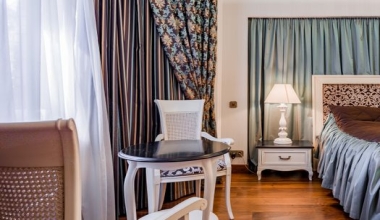
Velvet curtains bring a sense of opulence and acoustic dampening. Crush velvet and crushed velvet with metallic threads are trending in lobbies and high-end suites. Velvet naturally absorbs sound, reducing echo in large spaces. However, velvet requires careful maintenance—use a fabric protector and schedule professional cleaning annually. For a modern twist, choose velvet in muted jewel tones (emerald, sapphire) rather than traditional red.
Acoustic Curtains for Peaceful Stays
Noise pollution is a top complaint in hotels. Acoustic curtains with mass-loaded vinyl backing or dense felted fabrics can reduce noise by up to 50%. They are ideal for rooms facing busy streets or near elevators. Look for products with an NRC (Noise Reduction Coefficient) of 0.5 or higher. Install them floor-to-ceiling and overlap panels by 6 inches for maximum effectiveness. Combine with acoustic paneling for a comprehensive solution.
Sustainable and Eco-Friendly Curtain Trends
Hotels are increasingly adopting eco-friendly curtains made from recycled materials, organic cotton, or natural fibers like bamboo and hemp. These reduce carbon footprint and appeal to eco-conscious guests. Key certifications to look for: Oeko-Tex Standard 100 (no harmful chemicals), GOTS (organic textiles), and GREENGUARD (low VOC emissions). Some manufacturers offer take-back programs for end-of-life recycling. Ensure fabrics are durable to avoid frequent replacements.
Smart Curtains and Automation
Motorized curtains are no longer a luxury but an expectation in tech-forward hotels. Integration with smart home systems allows guests to schedule opening/closing times via voice assistants or room control panels. Current trends include solar-powered motorization for energy savings and light sensors that auto-adjust based on daylight. For retrofitting, consider retrofit battery-powered motors that fit existing tracks. Maintenance tip: use high-quality motors with quiet operation (under 30 dB) to avoid disturbing guests.
Practical Tips for Hotel Curtain Selection
Fabric Care
Regular vacuuming with a brush attachment prevents dust buildup. For blackout and acoustic curtains, spot clean with mild detergent; avoid steam cleaning as it may degrade the backing. Velvet should be brushed in one direction weekly. Always follow manufacturer cleaning codes.
Buying Guide
- Fire Retardancy: Ensure curtains meet local fire codes (NFPA 701 or equivalent). Most commercial fabrics are inherently flame retardant.
- Light Blocking: For 100% blackout, look for a dark interlining and side tracks to eliminate light gaps.
- Thermal Insulation: Honeycomb cellular shades or heavy drapes with thermal lining improve energy efficiency.
- Durability: Choose fabrics with a high abrasion resistance (Martindale >30,000 cycles for heavy use).
- Customization: Many suppliers offer branded embroidery or custom colors to match hotel decor.
Industry Application Case
A luxury chain recently replaced all guest room curtains with a triple-layer system: blackout backing, sound-absorbing core, and velvet face. Guest satisfaction scores for room comfort increased by 18% within six months. The investment paid off through reduced energy costs (20% heating/cooling savings) and fewer complaints about light and noise.
By staying on top of these trends, hotels can enhance guest comfort, differentiate their brand, and operate more sustainably. When selecting curtains, prioritize functionality, longevity, and aesthetic appeal in equal measure.