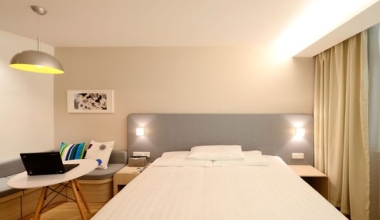
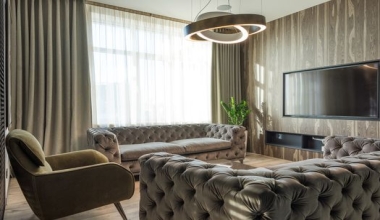
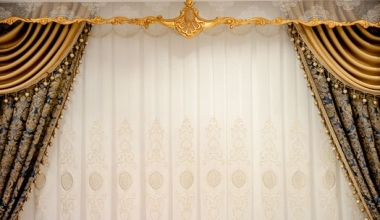
Layered curtains are a powerful design tool that combines functionality with aesthetic appeal. By stacking different fabrics—such as blackout, sheer, velvet, and acoustic materials—you can achieve unparalleled light control, privacy, insulation, and acoustic performance while creating a dynamic focal point in any room. This comprehensive guide explores inspiring ways to layer curtains, offering practical tips and detailed explanations to transform your space.
The Art of Combining Fabrics
The magic of layered curtains lies in the interplay of textures and purposes. Blackout fabrics block light and provide privacy; sheer fabrics soften daylight and add elegance; velvet brings warmth, luxury, and sound absorption; and acoustic curtains enhance noise reduction. By combining these, you can tailor each layer to specific needs.
Blackout + Sheer: The Classic Duo
This combination is ideal for bedrooms and media rooms. Install blackout curtains close to the window (or on a separate track) and sheer curtains on top. During the day, close the sheers for diffused light and privacy; at night, draw the blackout layer for complete darkness. Opt for a sheer curtain with a slight texture to add visual interest, such as a linen-blend or embroidered sheer.
- Tip: Mount the blackout layer on a blackout liner or triple-weave fabric for maximum light blockage.
- Color suggestion: White sheers with charcoal blackout create a crisp, modern contrast.
Velvet + Sheer: Luxurious Depth
Velvet curtains offer richness and thermal insulation, while sheers soften the heavy look. Use velvet as the outer layer (closest to the window) and sheer as the inner layer for a plush, cozy feel. Alternatively, reverse the order—sheer next to window, velvet outer—for a more dramatic effect when curtains are open. Perfect for living rooms and master bedrooms.
- Tip: Choose velvet in deep jewel tones (emerald, sapphire) and pair with ivory or blush sheers for a sophisticated palette.
- Care: Dry-clean velvet; hand-wash or machine-wash sheers on gentle cycle.
Acoustic Curtains as a Sound-Blocking Layer
Acoustic curtains are dense and multi-layered, often made from felt or mass-loaded vinyl. They can be used as a single layer for noise reduction but are more effective when combined with other fabrics. Hang acoustic curtains as the outermost layer (facing the room) and place sheers behind them for light diffusion. Another option: use acoustic curtains between two sheer layers for a balanced look.
- Tip: Acoustic curtains need tight seals at the top, sides, and bottom. Use a decorative valance or cornice to hide the hardware.
- Industry application: Music studios and home theaters often layer acoustic curtains with blackout for dual-purpose insulation.
___PROTECTED_1___
Sheer Curtains as a Standalone Layer
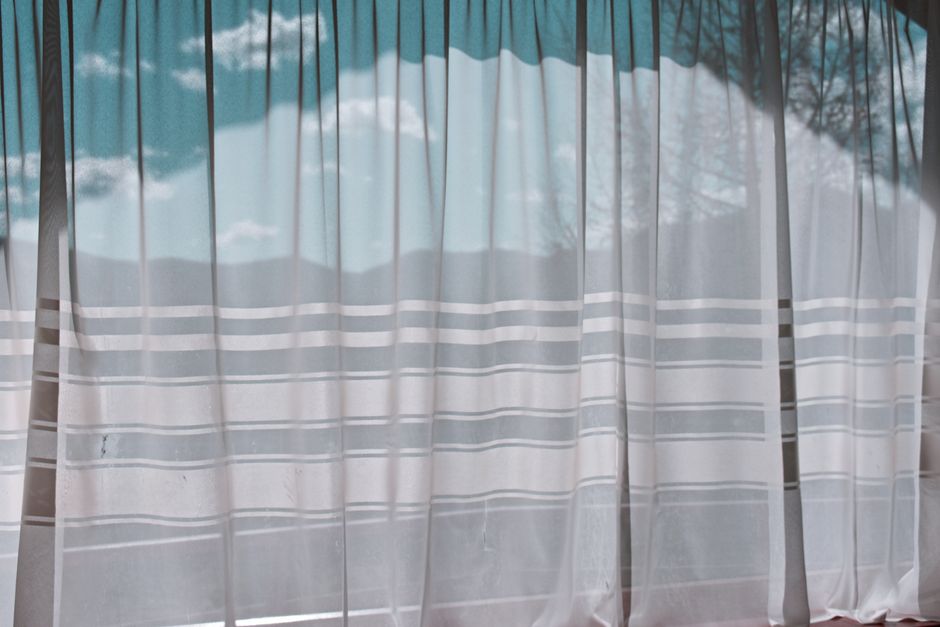
Don’t underestimate sheers alone. Layering two or more sheer panels in different tones can create a gauzy, romantic effect. For example, a white sheer behind a muted blue sheer filters light softly throughout the day. This approach is budget-friendly and works well in kitchens, bathrooms, or areas where privacy isn’t paramount.
- Tip: Use pinch pleat or ripplefold sheers for a more tailored look.
___PROTECTED_2___
Practical Tips for Hanging Layered Curtains
Successful layering requires proper hardware and installation. Here are key considerations:
| Element | Detail |
|---|---|
| Rod Type | Use a double curtain rod or separate track system for multiple layers. A single rod with two panels can work but limits independence. |
| Rod Placement | Mount rods high and wide to make the room appear larger. The outer rod should extend 4-6 inches beyond the window frame. |
| Length | All layers should ideally skim the floor or puddle slightly. For a modern look, stop 1/2 inch above the floor. |
| Stack Back | Ensure each layer has enough stackback width (the curtain width when open). Multiply window width by 1.5 to 2 for each layer. |
- Hardware: Use sturdy brackets and finials that can support multiple layers. Consider a ceiling-mount track for clean lines.
- Layering Order (from window to room): Sheer (closest for light) → Blackout (privacy) → Acoustic (noise) or Velvet (decorative).
Layering for Different Rooms
Bedroom: Sanctuary of Sleep
Combine blackout with a decorative outer layer like velvet or an acoustic curtain. Use sheers underneath if you want soft light during daytime. For a restful environment, choose calming colors like lavender, grey, or natural tones.
Living Room: Social and Versatile
Layer sheers with velvet or a light-blocking fabric. Consider adding a sheer-topped blackout curtain or a double-layer with a roman shade. This allows you to adjust light and mood throughout the day.
Dining Room: Elegance and Intimacy
Go for sheer + velvet in rich colors, or sheer + blackout for a formal black-tie dinner vibe. Acoustic curtains can help reduce noise in open-plan dining areas.
Color and Pattern Coordination
When layering, color harmony is crucial. Stick to a monochromatic palette (e.g., cream + white) for a serene look, or opt for complementary colors (e.g., navy velvet + gold sheers) for drama. Patterns can be mixed but ensure one layer is solid to avoid clutter. For a bold statement, use a patterned sheer behind a solid velvet.
- Tip: Use a color wheel to find contrasting shades that still feel balanced.
Conclusion: Transform Your Space
Layered curtains are an investment in both style and comfort. By thoughtfully combining blackout, sheer, velvet, and acoustic fabrics, you can create a room that adapts to your needs—from bright and airy to dark and quiet. Experiment with textures, widths, and hanging methods to develop your signature look. Whether you’re a design enthusiast or a practical homeowner, these inspirations will help you master the art of curtain layering.