Acrylic fabric is a synthetic fiber widely used in the textile industry, particularly for curtains, upholstery, and apparel. It was first developed in the mid-20th century as an alternative to wool, offering similar warmth and softness but with improved durability, color retention, and resistance to sunlight and chemicals. In the world of curtains, acrylic is prized for its versatility – it can mimic the feel of natural fibers while providing performance benefits like fade resistance and easy care. This guide dives deep into what acrylic fabric is, how it's made, its properties, and why it's a smart choice for blackout, sheer, velvet, and acoustic curtains.

Composition and Manufacturing Process
Acrylic fabric is made from polyacrylonitrile (PAN), a polymer derived from petroleum. The manufacturing process involves polymerizing acrylonitrile monomers into long chains, then spinning the polymer into fibers using either dry spinning or wet spinning methods.
- Dry Spinning: The polymer is dissolved in a solvent (like dimethylformamide) and extruded through spinnerets into warm air, where the solvent evaporates, leaving solid fibers.
- Wet Spinning: The polymer solution is extruded into a liquid bath that coagulates the fibers, which are then stretched and washed.
After spinning, the fibers are crimped, cut into staple lengths, and often blended with other fibers like polyester or wool to enhance performance. The result is a soft, lightweight fabric that can be dyed in vibrant colors.
___PROTECTED_1___
Key Properties of Acrylic Fabric for Curtains
Acrylic fabric offers a unique set of properties that make it ideal for various curtain types:
- Softness and Drapability: Acrylic fibers are naturally soft and flexible, allowing curtains to drape elegantly without heavy stiffness.
- Colorfastness: Acrylic holds dye exceptionally well, resisting fading from prolonged sunlight exposure – a critical feature for window treatments.
- Lightweight: Compared to cotton or linen, acrylic is lighter, making it easier to hang and manipulate in large panels.
- Resistance to Mildew, Moths, and Chemicals: Unlike natural fibers, acrylic does not attract moths or mildew, and it withstands common household chemicals.
- Thermal Insulation: Acrylic has moderate insulating properties, helping to keep rooms warmer in winter and cooler in summer.
___PROTECTED_2___
Types of Acrylic Fabric Used in Curtains
Pure acrylic fabric is less common; instead, blends are used to optimize performance:
- Acrylic/Polyester Blends: Add strength and wrinkle resistance, popular for everyday curtains.
- Modacrylic (Flame-Retardant Acrylic): A modified version containing more than 35% acrylonitrile, inherently flame retardant, ideal for acoustic curtains in commercial settings.
- Acrylic/Cotton Blends: Offer a natural feel with added durability, often used in velvet curtains.
Advantages of Acrylic Curtain Fabrics
- Excellent color retention – curtains stay vibrant even in sunny rooms.
- Lightweight and easy to install – no special hardware needed.
- Resists wrinkles and shrinkage – low-maintenance compared to natural fibers.
- Affordable – generally cheaper than wool or silk alternatives.
- Quick-drying if washed – less prone to water damage.
Disadvantages and Limitations
- Pilling: Acrylic is prone to forming small balls of fiber (pills) with friction, though anti-pilling treatments exist.
- Static Cling: Synthetic fibers can generate static electricity, attracting dust.
- Heat Sensitivity: Acrylic can melt or distort near high heat – avoid ironing on high or placing near radiators.
- Less Breathable: Acrylic doesn't allow air circulation as well as natural fibers, which may cause condensation on windows in cold climates.
How to Care for Acrylic Curtains
Proper care extends the life of acrylic curtains:
- Machine Wash: Use cold water with a gentle cycle and mild detergent. Avoid bleach and fabric softeners.
- Drying: Tumble dry on low heat or hang dry. High heat can cause shrinking or damage.
- Ironing: Use a cool iron (synthetic setting) or steam to remove wrinkles. Test on an inconspicuous area first.
- Dry Cleaning: Many acrylic curtains are dry-cleanable – check the label.
Applications: Blackout, Sheer, Velvet, and Acoustic Curtains
Blackout Curtains
Acrylic is often used as a lining or blended in blackout curtains due to its ability to block light when combined with a dense weave or foam backing. Its colorfastness ensures the dark color remains effective.
Sheer Curtains
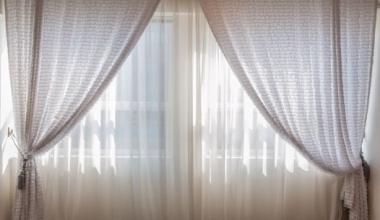
Sheer acrylic fabrics are lightweight and translucent, offering privacy while allowing soft light. They drape beautifully and resist yellowing from sunlight.
Velvet Curtains
Acrylic/velvet blends provide the luxurious look of velvet at a lower cost. The acrylic adds durability and stain resistance, making them suitable for high-traffic areas.
Acoustic Curtains
Modacrylic fibers are incorporated into acoustic curtains for their flame retardancy and sound-absorbing properties. They meet building codes for public spaces.
Comparison Table: Acrylic vs. Other Common Curtain Fabrics
| Property | Acrylic | Cotton | Polyester | Wool |
|---|---|---|---|---|
| Durability | Good | Moderate | Excellent | Good |
| Light Blocking | Very Good (with lining) | Moderate | Good | Moderate |
| Texture | Soft, wool-like | Natural, breathable | Smooth, crisp | Soft, napped |
| Care | Easy, machine wash | Easy but wrinkles | Very easy | Dry clean only |
| Cost | Low to Medium | Medium | Low | High |
Buying Guide: What to Look for in Acrylic Curtains
When purchasing acrylic curtains, consider the following factors:
- Weight and Weave: Heavier weights are better for blackout; lighter weaves for sheers.
- Fiber Content: Higher acrylic content (e.g., 70% or more) ensures better colorfastness and softness.
- Flame Retardant Certification: For commercial or safety-sensitive spaces, check for certifications like NFPA 701.
- Lining: For blackout, look for curtains with an acrylic lining or coating.
- Colorfastness Rating: Look for ratings of 4 or higher (on a scale of 1-5) for resistance to fading.
Remember to measure your window accurately and account for stack-back when not drawn.
Conclusion
Acrylic fabric is a versatile, affordable, and durable option for curtains, offering excellent color retention, easy care, and resistance to sunlight and mildew. Its ability to blend with other fibers makes it suitable for blackout, sheer, velvet, and acoustic curtains. While it has limitations like pilling and static, proper care and smart buying choices can mitigate these. Whether you’re enhancing your home’s decor or outfitting a commercial space, acrylic curtains provide a practical, beautiful solution.