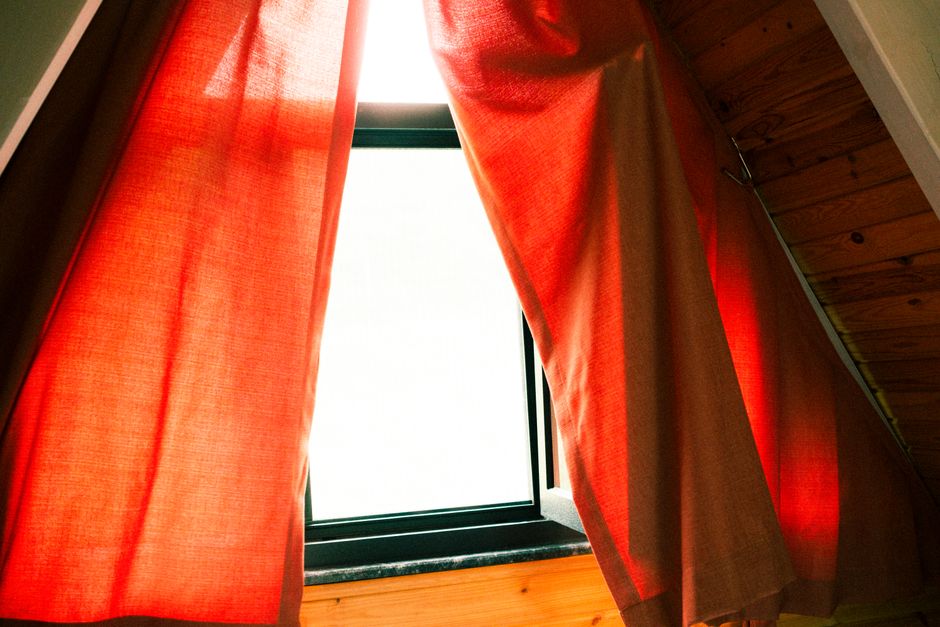
Introduction to Thermal Curtains
Thermal curtains are specially designed window treatments that help regulate indoor temperature by providing insulation against heat loss in winter and heat gain in summer. They are an essential addition to any home looking to improve energy efficiency, reduce utility bills, and enhance comfort. Unlike regular drapes, thermal curtains feature a dense, multi-layer construction or a special thermal backing that traps air and creates a barrier between the window and the room. This guide will explore everything you need to know about thermal curtains, from how they work to selecting the perfect pair for your needs.
___PROTECTED_1___
How Do Thermal Curtains Work?
Thermal curtains function by utilizing insulating materials and layers to minimize heat transfer. The key mechanisms include:
- Trapped Air Layer: The fabric or backing creates small air pockets that slow down conduction and convection.
- Reflective Barrier: Some curtains have a metallic coating that reflects radiant heat back into the room during winter and deflects solar heat in summer.
- Dense Fabric: Heavy materials like velvet or thick polyester block airflow, reducing drafts.
- Sealed Edges: Properly fitted curtains with sealed edges prevent heat from escaping around the sides.
By combining these elements, thermal curtains can reduce heat loss by up to 25% and lower cooling costs by as much as 15%.
___PROTECTED_2___
Benefits of Thermal Curtains
Energy Efficiency
The primary advantage is reduced energy consumption. By stabilizing indoor temperatures, your HVAC system works less, leading to lower electricity and gas bills.
Improved Comfort
Thermal curtains eliminate cold drafts in winter and reduce excessive heat in summer, making rooms more comfortable year-round.
Noise Reduction
The thick, dense fabric also absorbs sound, making them effective for noise insulation — particularly useful in urban areas or near busy streets.
Light Control
Many thermal curtains are also blackout curtains, blocking out up to 99% of external light, which is ideal for bedrooms, nurseries, or home theaters.
Privacy
The opaque materials prevent outsiders from seeing inside, even during daytime.
Types of Thermal Curtains
Thermal curtains come in various fabrics and styles. Below is a comparison of popular options:
| Type | Material | Key Feature | Best For |
|---|---|---|---|
| Blackout Thermal | Polyester with foam or acrylic coating | 99% light blockage, excellent insulation | Bedrooms, home theaters |
| Velvet Thermal | Velvet (cotton or synthetic) with thermal lining | Luxurious look, high insulation, sound absorption | Living rooms, formal spaces |
| Acoustic Thermal | Multi-layer fabric with mass-loaded vinyl | Superior noise reduction + thermal insulation | Home offices, recording studios |
| Sheer Thermal | Sheer fabric with a separate thermal backing | Light diffusion with insulation, less privacy | Layering, rooms needing light |
Buying Guide: How to Choose the Best Thermal Curtains
1. Fabric and Lining
Look for curtains with a high-density weave or a separate thermal lining. Common effective materials include polyester, velvet, and flannel. Check the R-value (thermal resistance) — higher R-value means better insulation. Thick velvet and multi-layered curtains often have the best R-values.
2. Size and Fit
Measure your window width and height. For maximum insulation, the curtain should extend beyond the window frame by at least 10-15 cm on each side and reach the floor. Use a curtain rod that allows the fabric to stack back without blocking the glass.
3. Color and Style
Darker colors absorb more heat in winter but also get hotter in summer. Light colors reflect heat. Consider your climate and decor. For a versatile option, choose a neutral tone with a thermal lining that faces the window.
4. Additional Features
Look for curtains with a separate thermal layer, sealed seams, and a quality header (e.g., grommets for easy slide). Some come with magnetic side seals to prevent heat loss from edges.
Installation Tips for Maximum Efficiency
- Mount Outside the Window Frame: Place the curtain rod high above the window and extend it beyond the sides to reduce air leakage.
- Use a Valance: A valance at the top can block rising warm air and add aesthetic appeal.
- Seal Gaps: Ensure the curtains touch the floor and the wall. Use tie-backs only when you need light; otherwise, keep them closed.
- Double or Triple Layers: Combine a sheer curtain with a thermal blackout curtain for flexibility without sacrificing insulation.
Care and Maintenance
To prolong the life of your thermal curtains:
- Check the Label: Most thermal curtains should be dry-cleaned or machine-washed on a gentle cycle. Avoid bleach.
- Vacuum Regularly: Use a brush attachment to remove dust from the fabric and lining.
- Steam or Press Gently: If wrinkles appear, use a steamer or iron on low heat with a cloth barrier.
- Inspect Lining: Over time, the thermal backing may degrade. Replace curtains if the lining starts peeling or cracking.
Conclusion
Thermal curtains are a smart, cost-effective investment for any home. They enhance energy efficiency, comfort, and privacy while adding style. By understanding the different types — blackout, velvet, acoustic, or even layered sheers — you can select curtains that meet your specific insulation needs. Pair them with proper installation and care, and you’ll enjoy a cozier home and lower energy bills for years to come.
Ready to transform your living space? Explore our collection of high-quality thermal curtains and find the perfect match for your windows.