Polyester curtains are a popular choice for modern homes and commercial spaces due to their durability, affordability, and versatility. Whether you need blackout panels for a bedroom, sheer drapes for a living room, or acoustic fabrics for an office, polyester offers a practical solution. This guide covers everything from advantages and disadvantages to care tips and buying advice, helping you make an informed decision.
What Are Polyester Curtains?
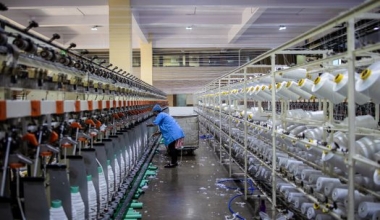
Polyester is a synthetic polymer fabric made from petroleum-based fibers. It was first introduced in the 1940s and quickly became a staple in textiles due to its strength and resistance to shrinking, stretching, and wrinkles. Polyester curtains are manufactured by weaving or knitting polyester yarns into various fabric weights, finishes, and weaves. They can mimic natural fabrics like silk, linen, or cotton while offering superior performance.
___PROTECTED_1___
Advantages of Polyester Curtains
Durability and Strength
Polyester fibers are incredibly strong and resistant to tearing, abrasion, and mildew. Unlike natural fabrics, polyester does not degrade quickly under sunlight or moisture, making it ideal for high-traffic areas and rooms with humidity.
Wrinkle and Stain Resistance
Polyester is naturally wrinkle-resistant, so curtains maintain a smooth appearance without frequent ironing. It also repels water-based stains and is easy to clean – most spills can be wiped away with a damp cloth.
Affordability
Compared to natural fabrics like silk or linen, polyester curtains are extremely budget-friendly. They offer a similar aesthetic at a fraction of the cost, making them accessible for large windows or rental properties.
Variety of Styles and Colors
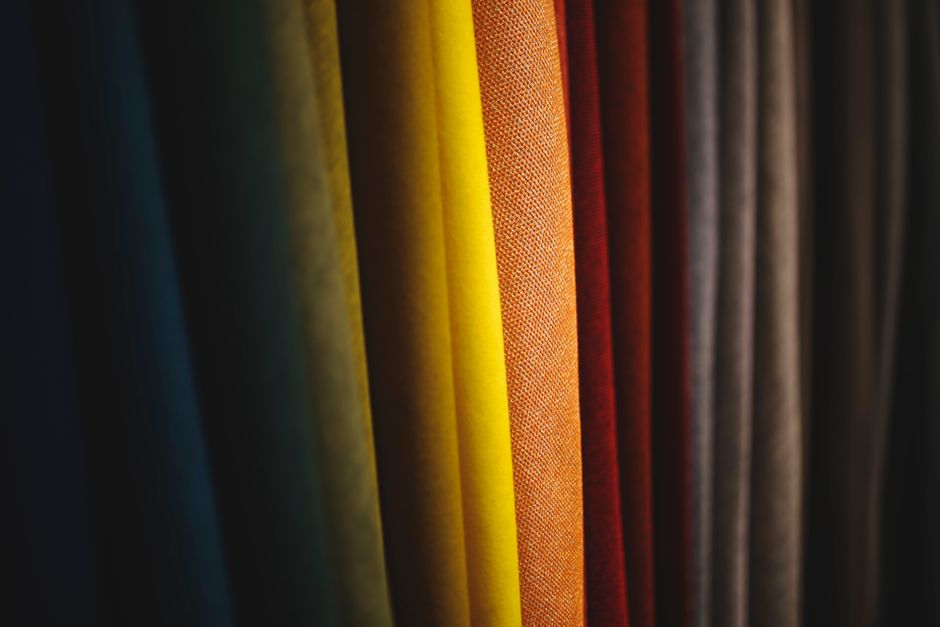
Polyester dyes well and holds color vibrancy for years. It is available in countless colors, patterns, and textures, from solid matte finishes to intricate jacquard weaves. You can also find polyester blends that incorporate cotton or rayon for added softness.
Easy Care
Polyester curtains are machine washable and dry quickly. They do not require dry cleaning, and many are fade-resistant when washed with mild detergent. Always check the care label, but most polyester panels can be tumble-dried on low heat.
___PROTECTED_2___
Disadvantages to Consider
Less Breathability
Polyester is a plastic-based fabric, so it does not breathe as well as natural fibers. This can lead to condensation on windows in cold climates if curtains are tightly sealed.
Potential for Static
Polyester tends to build up static electricity, especially in dry environments. This can attract dust and lint, requiring more frequent cleaning. Anti-static sprays or fabric softeners can help.
Environmental Concerns
Polyester is derived from non-renewable petroleum and is not biodegradable. However, many manufacturers now offer recycled polyester (rPET) made from plastic bottles, reducing its environmental footprint.
Types of Polyester Curtains
Polyester is versatile enough to be used in various curtain styles:
- Blackout Curtains: Made with tightly woven polyester and often lined with foam or a dark layer to block light. Ideal for bedrooms, home theaters, and nurseries.
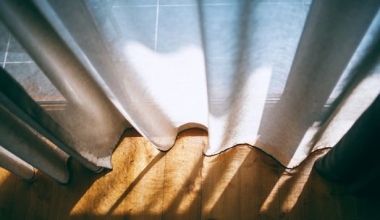
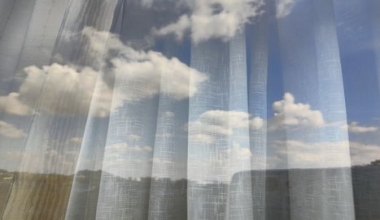
- Sheer Curtains: Lightweight, semi-transparent polyester voile or organza. They allow soft daylight while providing privacy. Perfect for living rooms and dining areas.
- Velvet Curtains: Polyester velvet mimics the lush texture of silk velvet at a lower cost. Excellent for insulation and adding a luxurious feel.
- Acoustic Curtains: Thick, dense polyester fabrics designed to absorb sound. Used in offices, recording studios, and open-plan spaces for noise reduction.
How to Choose the Right Polyester Curtains
Consider the Room Function
For bedrooms, opt for blackout or room-darkening polyester panels. In living rooms, sheer or semi-sheer curtains provide an airy feel. For noise control, choose heavy acoustic polyester with multiple layers.
Measure Your Windows
Accurate measurements are crucial. Measure the width of your window frame and add extra for fullness (typically 1.5 to 3 times the width). For length, decide if you want the curtains to just touch the floor or puddle slightly.
Choose Lining and Weight
Unlined polyester curtains are lightweight and suitable for casual looks. Lined curtains add insulation, block light, and extend fabric life. Thermal or blackout linings are common for energy efficiency.
Look for Quality Construction
Check for reinforced hems, sturdy grommets or pleats, and evenly sewn seams. High-quality polyester curtains will hang beautifully and last for years.
Care and Maintenance Tips
Washing and Drying
Most polyester curtains can be machine washed in cold water on a gentle cycle. Use a mild detergent and avoid bleach. Tumble dry on low heat or hang to dry. Remove promptly to prevent wrinkles.
Ironing and Steaming
If needed, iron on a low heat setting. Polyester can melt if too hot, so use a pressing cloth. Steaming is a safer option and effectively removes creases.
Avoiding Sun Damage
While polyester is UV-resistant, prolonged direct sun can still cause fading. Use a lined version or apply UV-protective window film for added longevity.
Polyester vs. Other Curtain Fabrics
| Fabric | Durability | Wrinkle Resistance | Cost | Light Blocking | Care |
|---|---|---|---|---|---|
| Polyester | High | Excellent | Low | Good (with lining) | Easy |
| Cotton | Medium | Poor | Medium | Fair | Moderate |
| Linen | Medium | Poor | High | Fair | Difficult |
| Silk | Low | Poor | Very High | Good (lined) | Dry clean only |
| Wool | Medium | Fair | High | Good (heavy) | Dry clean |
Buying Guide – What to Look For
Fabric Density
Measured in grams per square meter (GSM). Lightweight polyester (100-200 GSM) is suitable for sheers; medium (200-400 GSM) for general use; heavy (400+ GSM) for blackout or acoustic curtains.
Finish and Texture
Matte finishes hide fingerprints, while glossy ones add elegance. Textured weaves like sateen or suede can enhance the room's decor.
Fire Retardancy
Many polyester curtains are inherently fire-retardant or have a flame-retardant coating. Check for certification labels like NFPA 701 for commercial use.
Frequently Asked Questions
Can polyester curtains be recycled? Yes, but it requires specialized facilities. Some brands offer take-back programs for recycling into new fibers.
Do polyester curtains fade quickly? High-quality polyester with UV stabilizers resists fading for years, but cheaper ones may fade in direct sunlight.
Are polyester curtains safe for children? Yes, especially if they are fire-retardant and free from sharp hardware. Use cordless blinds or cleats to prevent strangulation hazards.
Can I use polyester curtains outdoors? Only if labeled for outdoor use, as standard polyester may degrade from constant sun and moisture.
Polyester curtains offer an unbeatable combination of performance, style, and value. Whether you need blackout panels for a restful sleep or sheer drapes for an airy living room, there is a polyester option to suit your needs. Follow this guide to select, care for, and enjoy your curtains for years to come.