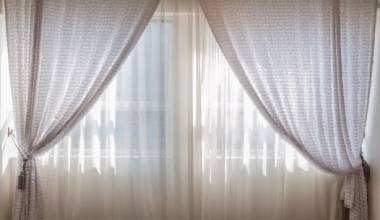
Sheer curtains are a staple in modern window treatments, offering a delicate balance between natural light and privacy. Unlike heavy drapes, sheer fabrics allow sunlight to filter through while softening harsh glares and creating an airy, ethereal atmosphere. Whether you're decorating a cozy living room, a serene bedroom, or a professional office, understanding the different types of sheer curtain fabrics and their specific uses can transform your space. In this comprehensive guide, we'll explore the most popular sheer materials, their unique characteristics, and how to choose the perfect one for each room.
Common Sheer Fabric Types
Polyester Sheer
Polyester is the most widely used sheer fabric due to its affordability, durability, and easy care. It resists wrinkles, shrinking, and fading, making it ideal for high-traffic areas or homes with children and pets. Polyester sheers are available in a vast range of colors and patterns, and they often have a slight crispness that holds shape well. They are also resistant to moisture, so they work great in humid environments like kitchens or bathrooms.
Cotton Sheer
Cotton sheers offer a soft, natural feel and excellent breathability. They drape beautifully and create a relaxed, organic look. Cotton is hypoallergenic and gentle, perfect for bedrooms or nurseries. However, cotton can wrinkle easily and may shrink if not pre-washed. To mitigate this, look for cotton blends with polyester or linen for added strength. These sheers are best for low-humidity areas and require gentle washing.
Linen Sheer
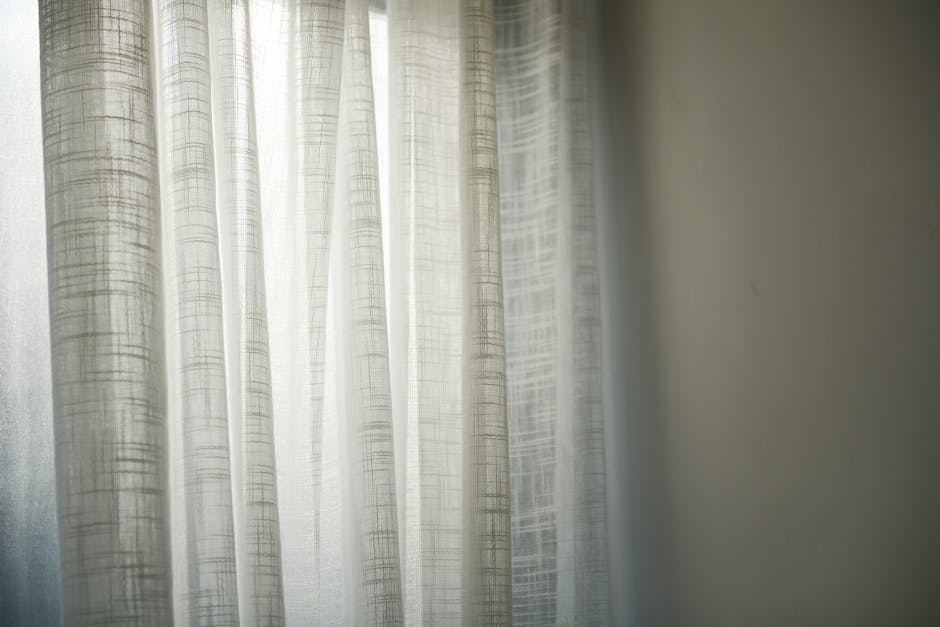
Linen is prized for its textured, rustic elegance. It has a slightly slubby appearance that adds depth and character to any room. Linen sheers filter light beautifully while providing a moderate level of privacy. They are highly absorbent and can help regulate humidity, making them suitable for living rooms and dining areas. The downside is that linen wrinkles easily and may be more expensive. For a more affordable option, consider a linen-cotton blend.
Silk Sheer
Silk sheers are the epitome of luxury. They have a luminous sheen and an incredibly soft hand feel. Silk drapes into graceful folds and adds a touch of opulence to formal spaces like master bedrooms or grand living rooms. However, silk is delicate—it can fade in direct sunlight, is prone to water spots, and requires professional dry cleaning. Use silk sheers in low-traffic, shaded areas for maximum effect.
Voile
Voile is a lightweight, semi-transparent fabric typically made from cotton or polyester. It has a crisp finish and a plain weave that offers excellent light diffusion. Voile curtains are often used alone or as a layer under heavier drapes. They are ideal for creating a soft, romantic look in bedrooms or for covering patio doors where light control is less critical.
Organza
Organza is a stiff, sheer fabric with a glossy finish, usually made from silk or synthetic fibers like nylon or polyester. It holds its shape well, making it perfect for pleated or gathered styles. Organza adds a formal, structured elegance to windows. Due to its stiffness, it may not drape as softly as other sheers. It’s excellent for event spaces or formal dining rooms.
Lace
Lace curtains are decorative sheers with intricate patterns. They range from delicate floral designs to geometric motifs. Lace provides a vintage or romantic feel and offers filtered light while maintaining some privacy. They are often used alone or over blinds. Lace requires gentle handling and is best for low-traffic areas like bedrooms or dressing rooms.
| Fabric Type | Light Filtering | Privacy Level | Best Use |
|---|---|---|---|
| Polyester | Medium-High | Low-Medium | Living rooms, high-traffic areas |
| Cotton | Medium | Low | Bedrooms, nurseries |
| Linen | Medium | Medium | Living rooms, dining rooms |
| Silk | Low-Medium | Low | Formal rooms, low-light areas |
| Voile | High | Very Low | Soft layering, patio doors |
| Organza | Medium | Low | Formal spaces, events |
| Lace | Medium | Medium | Romantic or vintage decor |
___PROTECTED_1___
Factors to Consider When Choosing Sheer Fabric
Light Filtering
Sheer curtains are all about light. Depending on the weave and material, some sheers allow more light to pass through than others. Voile and organza offer high translucency, while linen and cotton blends may cast a softer glow. Consider the orientation of your windows: south-facing rooms may benefit from sheers with slightly tighter weaves to reduce glare.
Privacy Level
Because sheers are translucent, they provide limited privacy compared to blackout curtains. However, denser weaves like polyester or double-layer sheers can offer moderate privacy during the day in well-lit rooms. For ground-floor windows or close neighborhoods, consider layering sheers with blinds or shades for nighttime privacy.
Durability
If you have children or pets, opt for synthetic blends like polyester or polyester-linen mixes. Natural fibers like cotton and silk may wear faster. Check for UV resistance if the curtains will receive prolonged sunlight—polyester and acrylic blends are more fade-resistant.
Maintenance
Sheers can collect dust and require regular cleaning. Polyester and voile are machine washable. Cotton may shrink, so follow care labels. Silk and lace often need dry cleaning or hand washing. Always check manufacturer’s instructions. Vacuuming with a brush attachment can extend time between washes.
___PROTECTED_2___
Best Uses for Sheer Curtains
Living Rooms
Sheers in living rooms soften harsh sunlight and create a warm, inviting ambiance. Pair them with blackout drapes on the sides for versatility. Polyester or linen sheers work well. Use a rod that extends beyond the window to allow the sheers to stack back fully when not in use.
Bedrooms
In bedrooms, sheers are often layered with blackout curtains. During the day, draw the blackout panels to allow soft light while maintaining privacy. At night, close the heavy drapes for total darkness. Cotton or voile sheers are popular choices. Ensure the sheer layer is easy to open and close independently.
Dining Rooms
For elegant dining spaces, silk or organza sheers add a touch of luxury. They diffuse light beautifully over meals. Consider floor-length panels for a dramatic effect. If you have young children, opt for polyester or linen blends for easier maintenance.
Home Offices
Reduce screen glare with sheers that filter light without blocking it completely. Linen or voile sheers can help maintain a comfortable working environment. If you video conference, sheers also soften shadows on your face for a more professional look.
Commercial Spaces
Hotels, restaurants, and retail stores use sheers to create an inviting atmosphere. Polyester sheers are flame-retardant (check certification) and durable for high-traffic areas. Lace or patterned sheers can reinforce a brand’s aesthetic while letting in natural light.
Sheer Curtain Care Tips
To keep your sheers looking fresh:
- Vacuum gently with a brush attachment weekly to prevent dust buildup.
- Wash polyesters and cotton blends in cold water on a gentle cycle. Avoid bleach.
- Air dry sheers to prevent shrinkage; iron on low if needed (check care label).
- For silk, professional dry cleaning is recommended.
- Rotate usage if possible to minimize uneven fading from sun exposure.
- Remove sheers before washing if they have delicate trims or beading.
Conclusion
Choosing the right sheer curtain fabric involves balancing aesthetics, functionality, and maintenance. Polyester remains the workhorse for everyday use, while linen and cotton bring natural warmth. Silk and organza cater to formal settings, and lace adds vintage charm. Evaluate your lighting needs, privacy requirements, and room usage to make the best selection. No matter which type you choose, sheers universally enhance the elegance and comfort of any interior. Start exploring your options today to transform your windows into focal points of light and style.