When it comes to selecting the perfect curtain fabric, the choice between polyester and acrylic is one of the most common dilemmas. Both are synthetic fibers widely used in the textile industry, but they offer distinct characteristics that can significantly influence the performance, appearance, and longevity of your curtains. This comprehensive guide dives deep into the polyester vs acrylic debate, exploring their properties, advantages, drawbacks, and ideal use cases—especially in the context of blackout, sheer, velvet, and acoustic curtains.
What is Polyester Fabric?
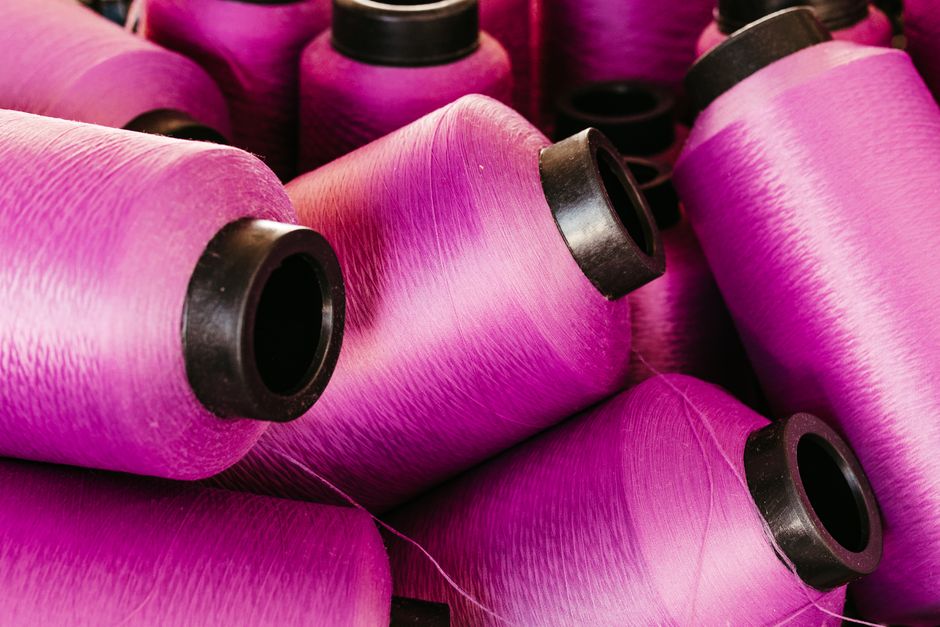
Polyester is a synthetic fiber derived from petroleum, coal, air, and water. It was first introduced in the 1940s and quickly became a staple in the textile industry due to its durability, affordability, and versatility. In the world of curtains, polyester is ubiquitous. It can be woven into a variety of textures, from high-gloss satins to matte weaves, and it blends beautifully with other fibers like cotton or rayon.
One of the key advantages of polyester is its resistance to wrinkles, shrinking, and stretching. This makes it an easy-care option for busy households. Additionally, polyester holds dye incredibly well, which means colors remain vibrant even after repeated washing and exposure to sunlight. For blackout curtains, polyester is often coated with PU (polyurethane) or acrylic foam to block light effectively.
However, polyester is not without its downsides. It is a petroleum-based product, which raises concerns about its environmental impact. It also tends to be less breathable than natural fibers, which can lead to a buildup of static electricity and a tendency to attract dust. In high-heat conditions, polyester can be less comfortable, though this is rarely an issue for curtains.
___PROTECTED_1___
What is Acrylic Fabric?
Acrylic is also a synthetic fiber, but it is made from a polymer called polyacrylonitrile. It was developed as a wool substitute in the 1940s and 1950s, and it bears a remarkable resemblance to wool in terms of warmth and texture. Acrylic fibers are soft, lightweight, and have a wool-like hand feel, making them popular for throws, sweaters, and, of course, curtains.
In the curtain industry, acrylic is prized for its excellent colorfastness and resistance to sunlight damage. Unlike polyester, acrylic does not fade easily when exposed to UV rays, which makes it an ideal choice for rooms with large windows that receive direct sunlight. Acrylic fabrics also have a natural lustre that mimics the sheen of wool, adding a touch of elegance to decorative curtains.
On the flip side, acrylic is generally more expensive than polyester. It is also slightly less durable in the long run, especially when subjected to abrasion. Acrylic can pill over time if the fabric is of low quality, and it may lose its shape if not handled with care. Moreover, acrylic curtains can be prone to static and may require special attention during cleaning.
___PROTECTED_2___
Polyester vs Acrylic: Key Differences at a Glance
To help you make an informed decision, here is a quick comparison table of the essential properties of polyester and acrylic fabrics:
| Property | Polyester | Acrylic |
|---|---|---|
| Durability | High, resistant to stretching and shrinking | Moderate, may pill or lose shape with heavy use |
| Fade Resistance | Good, but can fade with prolonged sun exposure | Excellent, ideal for sun-drenched rooms |
| Texture | Can be smooth, crisp, or slightly slippery | Soft, wool-like, and warm to the touch |
| Breathability | Low, can trap heat and static | Moderate, more breathable than polyester |
| Cost | Inexpensive and widely available | More expensive, premium positioning |
| Cleaning & Care | Easy, machine washable in most cases | Requires more delicate handling, often dry clean only |
| Environmental Impact | Petroleum-based, not biodegradable | Also petroleum-based, but can be recycled more efficiently |
Performance Comparison in Curtains
Durability and Longevity
Polyester curtains are champions of durability. They withstand regular pulling, folding, and exposure to moisture without losing their shape. This makes them a practical choice for high-traffic areas like living rooms or rental properties. Acrylic curtains, while still durable, require a bit more TLC. They are prone to pilling and may develop a fuzzy appearance over time, especially if the fabric is brushed against rough surfaces. For long-term use, polyester generally wins.
Light and UV Resistance
Here, acrylic takes the lead. Acrylic fibers are inherently UV-stabilized, which means they are far more resistant to fading from sunlight than polyester. If you have large south-facing windows and want to keep your curtain color vibrant for years, acrylic is the superior choice. Conversely, polyester curtains can start to look washed out after extended sun exposure, especially in bold colors.
Texture and Aesthetics
Both fabrics can be manipulated to mimic natural fibers. Polyester can be woven into crisp, sharp pleats and is available in a wide range of sheens, from matte to satin. Acrylic, on the other hand, has a softer, more tactile feel that closely resembles wool. For velvet curtains, polyester is often the base fabric because it can be brushed to create a plush pile. Acrylic is less commonly used for velvet but can add a cozy, textured look to knitted or woven curtains.
Insulation and Acoustic Performance
Curtains play a vital role in insulating windows. Polyester has a tight weave that effectively blocks drafts and reduces noise, making it a good choice for blackout and acoustic curtains. Acrylic also offers decent insulation due to its loft and bulkiness, but it is not as effective at blocking sound as heavier polyester blends. For thermal and acoustic efficiency, polyester fabrics, especially those with a triple-weave construction, outperform acrylic.
Care and Maintenance
Polyester is famously low-maintenance. Most polyester curtains can be machine washed on a gentle cycle and hung to dry, making them ideal for households that prefer easy upkeep. Acrylic curtains, however, are more delicate. They may shrink or deform if washed in hot water, and many require dry cleaning. If you value convenience, polyester is the obvious choice.
Cost and Value
Price is a significant deciding factor for many. Polyester is one of the most affordable curtain materials on the market, offering exceptional value for money. Acrylic is more expensive, positioning itself as a premium fabric. However, the higher cost of acrylic can be justified by its superior fade resistance and luxurious feel. Weighing the initial expenditure against the lifespan of the curtains is essential.
Which Curtain Fabric Should You Choose?
There is no one-size-fits-all answer. The decision should be based on your specific needs, budget, and aesthetic preferences.
- Choose Polyester if: You want an affordable, durable, and low-maintenance curtain. Polyester is perfect for blackout curtains, as it can be coated for complete light blockage. It is also a great choice for sheer curtains, as the crisp texture holds pleats well. In velvet curtains, polyester provides a luxurious look at a fraction of the cost of natural silk or cotton.
- Choose Acrylic if: Your window faces direct sunlight and you need exceptional UV resistance. Acrylic curtains are ideal for sunrooms, patios, or large glass walls. They also work beautifully as decorative sheer curtains, where the soft, wool-like drape adds warmth. If you are looking for acoustic curtains, however, acrylic may not be heavy enough—polyester blended with other fibers will be more effective.
Common Uses in Blackout, Sheer, Velvet, and Acoustic Curtains
Blackout Curtains
For blackout curtains, polyester is the industry standard. The fabric is often woven tightly and coated with a blackout layer, which is typically acrylic foam or a metallic coating. This combination ensures that 99% of external light is blocked. Acrylic alone is not ideal for blackout purposes, as it is too porous and does not have the natural density required. However, some premium blackout curtains combine an acrylic face with a polyester backing to achieve both UV resistance and light blocking.
Sheer Curtains
Sheer curtains are meant to let in light while providing privacy. Polyester sheers are popular because they are cost-effective and available in many textures, from voile to organza. They hang beautifully and are easy to clean. Acrylic sheers are less common but offer a softer, more natural drape. They are more UV-resistant, which protects furniture and flooring from fading, but they require more careful handling.
Velvet Curtains
Velvet is a classic choice for luxury interiors. Polyester velvet is widely available and offers a rich, plush look with excellent durability. It is often blended with spandex for stretch, making it easier to hang in smooth folds. Acrylic velvet is rarer, but when used, it produces a velvety texture with the wool-like warmth of acrylic. For high-end applications, polyester velvet with a brushed finish is the go-to.
Acoustic Curtains
Acoustic curtains are designed to dampen sound, and they require heavy, dense fabrics. Polyester, especially in a triple-weave style, has excellent sound-absorbing properties due to its mass. Acrylic is lighter and less dense, so it is not as effective for soundproofing. If you are setting up a home theater or a sound recording studio, polyester acoustic curtains will provide the best sound reduction. Adding a layer of thermal interlining to either fabric can further enhance acoustic performance.
Professional Tips for Buying Curtain Fabrics
Before you make a purchase, consider these expert tips to ensure you get the most out of your curtains:
- Check the fabric weight: For blackout and acoustic curtains, choose a heavier weight (over 300 GSM). For sheer and decorative curtains, a lighter weight is acceptable.
- Look for UV protection: If your room gets direct sunlight, opt for acrylic or a polyester blend with UV inhibitors to prevent fading.
- Consider the lining: Even the best polyester curtain can benefit from a separate lining for added insulation, light blocking, or shine.
- Test the texture: Always order a sample before committing to a large order. Rub the fabric between your fingers to check for scratches or static.
- Evaluate maintenance: If you don't want to dry clean your curtains, avoid acrylic and choose machine-washable polyester.
- Think about fire safety: Both polyester and acrylic are synthetic and can melt under high heat. If you are placing curtains near a fireplace, look for flame-retardant treatments.
- Compare warranties: Some premium acrylic curtains come with a 10-year fade guarantee—this can be worth the extra cost.
Conclusion
Both polyester and acrylic fabrics have their rightful places in the world of curtains. Polyester offers unbeatable durability, affordability, and versatility, making it the default choice for blackout, velvet, and acoustic applications. Acrylic, with its superior UV resistance and soft, wool-like texture, excels in sun-exposed spaces and adds a touch of elegance to sheer and decorative curtains. By understanding your specific requirements—whether it's light control, soundproofing, ease of care, or aesthetic appeal—you can confidently choose the fabric that best suits your home. Remember to evaluate the long-term value, consider the maintenance you're willing to commit to, and always request samples before making a final decision. With the right fabric, your curtains will not only enhance your interior but also serve their functional purpose for years to come.