When it comes to choosing natural fiber curtains, linen and hemp are two timeless contenders. Both boast a relaxed, organic aesthetic and remarkable environmental credentials, yet they differ significantly in texture, weight, durability, and performance. This comprehensive guide explores every angle of the linen vs hemp debate, helping you decide which fabric truly deserves a place at your window.
What Are Linen Curtains?
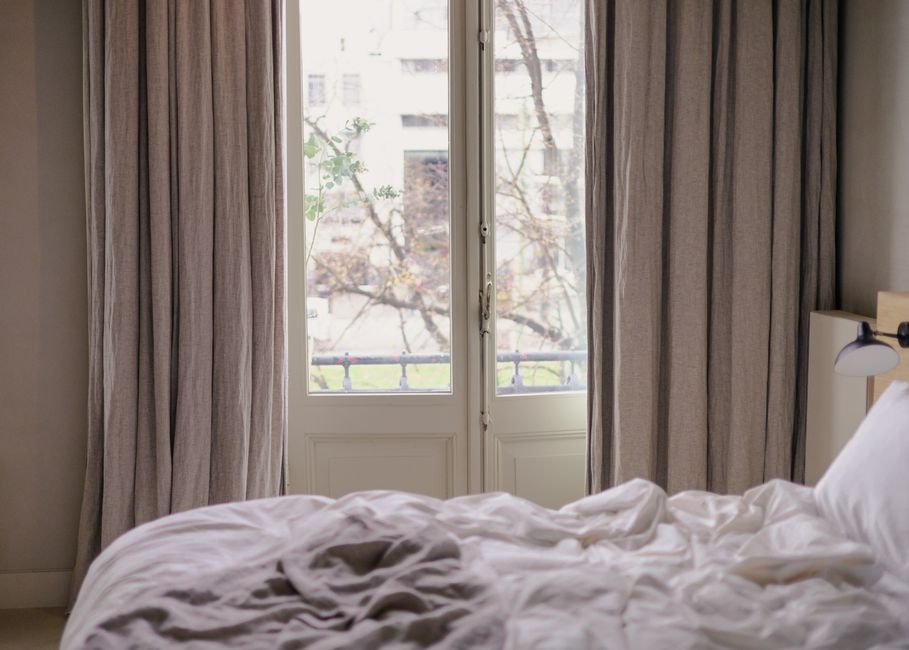
Linen is woven from flax fibers, one of the oldest known textiles in human history. Flax grows in cool climates, especially in Western Europe, and produces a fiber that is strong, lightweight, and naturally breathable. Linen curtains are prized for their slightly crisp texture, elegant slub, and lustrous sheen that softens with every wash. They evoke a sense of airy sophistication and work well in casual, coastal, or rustic interiors.
___PROTECTED_1___
What Are Hemp Curtains?
Hemp fabric comes from the bast fibers of the Cannabis sativa plant. It has been cultivated for thousands of years for rope, paper, and textiles. Hemp fibers are incredibly strong—often cited as being four times stronger than cotton—and naturally resistant to mold and UV rays. Hemp curtains have a more rugged, earthy feel, often with a slightly rougher hand-feel that gradually softens over time. They are popular in eco-conscious households and can complement industrial, bohemian, or minimalist interiors.
___PROTECTED_2___
Key Differences at a Glance
Before diving into the details, here's a quick comparison table to help you spot the main distinctions between these two natural fabrics.
| Attribute | Linen Curtains | Hemp Curtains |
|---|---|---|
| Fiber Source | Flax plant | Hemp plant |
| Texture | Soft, crisp, smooth with slub | Coarse, durable, slightly rough |
| Weight | Light to medium | Medium to heavy |
| Drape | Fluid and graceful | Stiffer, more structured |
| Durability | Good, but weaker than hemp | Excellent, very long-lasting |
| Breathability | Highly breathable | Breathable but denser |
| Moisture Wicking | Excellent | Excellent, mold-resistant |
| Light Filter | Sheer to medium | Heavier, more light-blocking |
| Eco-Friendliness | Very sustainable, low water | Extremely sustainable, even lower impact |
| Feel After Washing | Gets softer | Gets softer, but less than linen |
| Price | Moderate to high | Moderate, often similar |
Appearance and Aesthetics
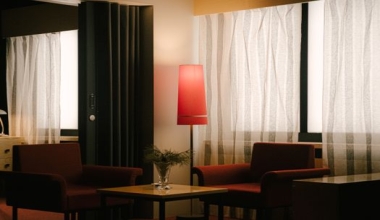
The visual character of a curtain often dictates the mood of a room. Linen curtains have an unmistakable charm: they feature a subtle, irregular slub that catches light beautifully, creating a soft, dimensional look. They hang with an easy, relaxed drape that feels light and airy. Linen is available in a wide range of colors and can be dyed easily, but it also shines in its natural ivory or oatmeal tones.
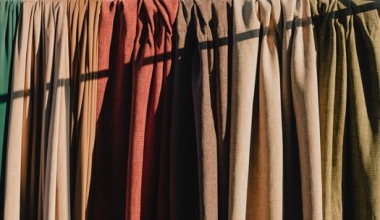
Hemp curtains, in contrast, have a more industrial, organic aesthetic. The weave is typically tighter and the texture is rougher, giving the fabric a canvas-like appearance. While hemp can be dyed, it often retains an earthy, muted quality. Hemp tends to hang more stiffly, which can be an advantage if you prefer a structured, tailored look. However, it lacks the graceful fluidity of linen.
Durability and Longevity
When it comes to sheer strength, hemp is the clear winner. Hemp fibers are renowned for their tensile strength and are often used in ropes and industrial textiles. Hemp curtains are resistant to abrasion, stretching, and tearing, making them an excellent choice for high-traffic homes, households with children or pets, and sunny windows where UV rays can degrade weaker fabrics.
Linen is also durable, but it has a lower breaking strength compared to hemp. Still, linen curtains can last for decades if cared for properly. The fabric softens and becomes smoother with each wash, developing a beautiful patina. Linen is more susceptible to creasing and may show wear in high-friction areas, but its natural resilience and quick-recovery properties make it a dependable option.
Weight and Draping
Weight is a major factor in how curtains hang and function. Linen curtains typically weigh less than hemp, which makes them feel breezy and light. With a natural fluidity, linen drapes beautifully in soft folds, allowing gentle movement with airflow. This airy quality makes linen ideal for spaces where you want a relaxed, elegant look, such as living rooms or bedrooms with light breezes.
Hemp curtains have a more substantial weight and denser weave. The added weight means they don't float or billow as much; instead, they hang in deeper, more structured folds. This can be beneficial for blocking light and noise, but it also requires a sturdier curtain rod or track to support the extra heaviness. If you prefer the crisp, heavy drape of high-end blackout curtains, hemp will be more to your liking.
Light Control and Insulation
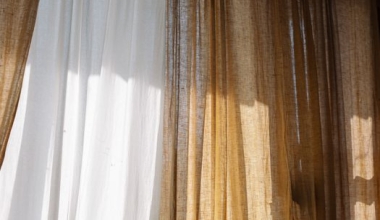
Both fabrics offer natural insulation, but their properties differ. Linen is highly breathable and lightweight, making it excellent for sheer-like filtering of daylight. Depending on the weave, linen curtains can range from semi-sheer to fairly opaque, but they typically do not provide complete blackout. Linen helps regulate temperature by allowing air circulation, keeping rooms cooler in summer and trapping a little warmth in winter.
Hemp, being denser and heavier, naturally blocks more light. It provides better privacy and can darken a room significantly. If you choose a tight weave or line the curtains, hemp can approach blackout performance. Hemp is also an excellent insulator; its thick fibers create a barrier against heat loss and outside noise. This makes hemp curtains a great choice for bedrooms, home theaters, and energy-conscious homes.
Moisture Wicking and Mildew Resistance
Both linen and hemp are derived from plant fibers, which makes them highly absorbent and breathable. They wick moisture away from the skin and dry quickly, which is why they are often used in clothing for warm climates. In the context of curtains, this property helps prevent condensation on windows and reduces the risk of mildew in humid rooms.
However, hemp has a distinct edge in antimicrobial resistance. Hemp fibers are naturally resistant to mold, mildew, and bacterial growth, even in damp conditions. This makes hemp curtains an outstanding choice for bathrooms, kitchens, or coastal homes with high humidity. Linen is also resistant to mildew, but to a slightly lesser degree; if you hang linen in an extremely damp environment, ensure there is adequate airflow to avoid musty odors.
Sustainability and Environmental Impact
In a world increasingly focused on eco-friendly home goods, both linen and hemp shine. Flax (for linen) requires relatively little water compared to cotton, uses fewer pesticides, and the entire plant can be utilized. It is also biodegradable and often grown without irrigation in many regions. But hemp is arguably the most sustainable fiber on the planet. It grows rapidly without synthetic fertilizers or pesticides, enriches the soil, and sequesters carbon dioxide. Hemp also yields more fiber per acre than flax.
Both fabrics are fully compostable at the end of their life cycle. However, the processing of both can vary; some manufacturers use chemical retting or bleaching, which can reduce eco-friendliness. Look for responsibly sourced, organic, and mechanically processed options to maximize sustainability. In general, if your primary concern is environmental impact, hemp takes the crown.
Care and Maintenance
Maintaining natural fiber curtains requires a gentle hand. Linen curtains can be machine washed on a delicate cycle with cold or lukewarm water, but they are prone to wrinkling. Air-drying is preferred to maintain shape, and ironing on a high heat with steam or pressing while slightly damp will give a crisp appearance. Many people embrace the wrinkle as part of linen's charm. However, if you prefer a perfectly smooth look, you'll need to dedicate time to ironing or use a steamer.
Hemp curtains are also machine washable, but they are more resistant to shrinking and distortion. They tend to wrinkle less than linen, which makes them slightly easier to care for. Hemp can be tumble-dried on low, though air-drying is gentler. Over time, hemp softens significantly, but it may initially feel rough. Avoid harsh bleach and fabric softeners, as they can weaken natural fibers.
Cost and Value
Price varies widely depending on brand, weave, and organic certifications, but generally, linen and hemp are comparable in price—often slightly higher than cotton or polyester. Linen is often considered a premium textile, and pure linen curtains can be quite expensive. Hemp, while traditionally niche, has become more affordable as production increases. In some markets, hemp fabric is slightly cheaper than linen because of lower resource costs.
When assessing value, consider longevity. Hemp's superior durability means it may outlast linen by a few years, making it a better long-term investment. On the other hand, linen's timeless elegance and softening quality can make it a sentimental favorite that owners are happy to repair rather than replace. You should also factor in the cost of linings, curtain hardware, and potential cleaning services if you prefer professional dry-cleaning for larger panels.
Which Fabric Should You Choose?
The choice ultimately depends on your priorities. Choose linen curtains if you value an airy, bright, and refined aesthetic, want a fabric that drapes fluidly, and don't mind a little ironing. Linen is ideal for living rooms, dining areas, and bedrooms where you want a soft, romantic atmosphere and moderate light filtering. It also pairs beautifully with sheer curtains and layered window treatments.
Choose hemp curtains if you need maximum durability, better light blocking, and superior mold resistance. Hemp suits homes with children and pets, as well as coastal, humid, or high-traffic environments. Its structured drape and textured weave work well in modern, industrial, or minimalist interiors. If energy efficiency and eco-impact are your top priorities, hemp's insulating properties and ultra-low environmental footprint make it a compelling choice.
Don't forget that blends exist too—linen-hemp blends offer a balanced combination of softness and strength. These can be a wonderful compromise, giving you the best of both worlds.
Tips for Shopping for Linen or Hemp Curtains
- Check Fiber Content: Ensure the fabric is 100% linen or 100% hemp, or at least a blend with a high percentage of your preferred fiber. Beware of synthetic blends that cheapen the feel.
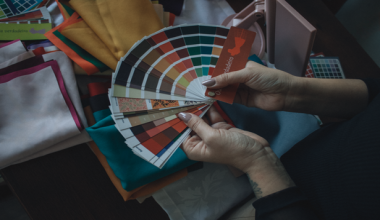
- Feel the Fabric: If possible, order swatches to feel the texture. Linen should feel smooth and slightly cool; hemp will feel more coarse and sturdy.
- Consider Lining: Choose a lining to enhance light-blocking, insulation, or to protect the natural fabric from sun damage. Unlined curtains will be more sheer and drape easier.
- Measure Twice, Buy Once: For curtains to puddle elegantly, add 3-6 inches to your length; for standard hanging, measure to the floor. Make sure your curtain rod can support the weight, especially for heavier hemp.
- Wash Samples: Before washing full panels, test a small swatch to see how the fabric shrinks, wrinkles, and softens. Linen and hemp both shrink slightly in the first wash.
- Embrace Imperfection: Natural fibers will never be perfectly smooth—wrinkles, slubs, and variations are part of their character. If you crave perfection, synthetic fabrics are a better (but less eco-friendly) choice.
Conclusion
Both linen and hemp curtains are outstanding natural choices for your home. Linen offers the beauty of a sophisticated, light-filled drape, while hemp brings unmatched strength and eco-credentials. By understanding the differences in texture, weight, durability, light control, and care requirements, you can make an informed decision that aligns with your lifestyle and design goals. Whichever you choose, you'll invest in a window treatment that not only looks stunning but also respects the planet.