Choosing the right curtain color can dramatically change the look and feel of a room. When it comes to the classic choice between black and white, there's far more to consider than just aesthetics. Both colors offer unique benefits and potential drawbacks in terms of light control, energy efficiency, maintenance, and mood. This comprehensive guide will compare black vs. white curtains to help you make an informed decision for your home or business.
Light Control and Privacy
The most immediate difference between black and white curtains is how they affect light entering a room. Both can provide excellent light blockage, but their behavior differs depending on the fabric and opacity.
Black Curtains for Maximum Darkness
Black curtains are the undisputed champions of light blocking. Their dark color absorbs both sunlight and artificial light, making them ideal for bedrooms, home theaters, and any space where you want complete darkness. If you work night shifts and need to sleep during the day, or if you're sensitive to early morning light, black blackout curtains are your best ally. Even in lighter fabrics like sheer, black will significantly reduce glare more effectively than white.
White Curtains for Soft Diffusion
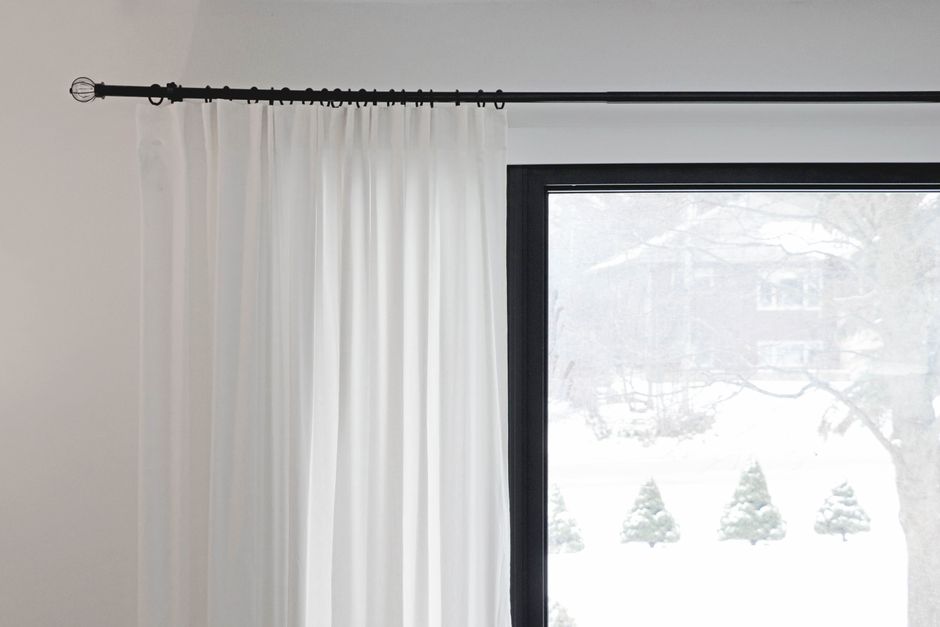
White curtains, on the other hand, are not as effective at blocking light as black, but they excel at diffusing it. A white sheer curtain will soften harsh sunlight, casting a warm, gentle glow across the room. White blackout curtains will block most light, but a small percentage may penetrate through the weave, especially if the fabric is not densely woven. For privacy, white curtains can still offer excellent cover, especially when closed, but they will have a 'daylight' feel. For total privacy at night with a white curtain, you will need to pair it with a lining.
___PROTECTED_1___
Heat and Energy Efficiency
Curtains are a key part of a home's insulation system, and color plays a significant role in how much heat they absorb or reflect.
Black Curtains: Absorb Heat
Black curtains absorb heat from sunlight. This means they can make a room warmer during the day, which is beneficial in colder months but a disadvantage in summer if you're battling high temperatures. If you choose black curtains, consider them for rooms with limited direct sun or pair them with a thermal lining to create an insulating air pocket. In winter, black curtains can help trap warmth inside, reducing your heating bills.
White Curtains: Reflect Heat
White curtains reflect sunlight and heat away from your windows. This helps keep your room cooler in the summer and reduces the load on your air conditioning. In warm climates, white curtains are the more energy-efficient choice. They are also better for rooms that receive direct sunlight for most of the day, preventing the fabric from fading and the room from overheating. However, white curtains won't do much to keep heat in during the winter unless they are thick and lined.
___PROTECTED_2___
Aesthetic and Interior Design Impact
The color of your curtains can either be a bold statement or a subtle backdrop. Both black and white have strong design implications.
Black Curtains: Drama and Sophistication
Black curtains add a sense of drama, luxury, and sophistication to any room. They create a strong visual anchor, making windows appear larger and drawing the eye. Black works exceptionally well in modern, minimalist, and industrial interior styles. They can also hide the appearance of dirt and stains better than white, and they create a cozy, intimate atmosphere in living rooms or bedrooms. The downside is that they can make a room feel smaller and darker if the rest of the space is not well lit.
White Curtains: Airy and Versatile
White curtains are the epitome of freshness, airiness, and versatility. They make a room feel larger, brighter, and more open. White is a neutral that pairs with any color scheme, from bold and vibrant to soft and serene. It's a safe choice for a clean, crisp, and timeless look. White curtains are particularly popular in Scandinavian, coastal, and farmhouse styles. The main challenge with white curtains is that they show dirt, dust, and stains more easily, requiring more frequent cleaning.
Maintenance and Dirt Visibility
When it comes to upkeep, the color of your curtains will heavily influence how often you need to clean them.
Pros and Cons of Black Curtains
Black curtains are more forgiving when it comes to normal dust and grime. They don't show dust as readily as white, but they do show lint, pet hair, and any light-colored dust very clearly. Additionally, black fabric can fade over time if exposed to strong sunlight, leaving blotchy patches. Black curtains also require careful washing, as some dyes may run. Use cold water and a mild detergent, and avoid over-drying to prevent creases.
Pros and Cons of White Curtains
White curtains are known for showing everything. Dust, pollen, and handprints are immediately visible. However, white is much easier to clean effectively because you can use bleach or oxygen-based whitening agents to keep them looking crisp. You can wash white curtains in hot water to kill dust mites and remove stains. The downside is that they may yellow over time if exposed to sunlight or cigarette smoke. Regular vacuuming with a soft brush attachment will help minimize washing frequency.
Fabric Choices: Blackout, Sheer, Velvet, and Acoustic
Your choice between black and white is also influenced by the fabric type. Here's how color plays out across the most popular curtain fabrics:
| Fabric Type | Best with Black | Best with White |
|---|---|---|
| Blackout Curtains | Excellent for 100% light blockage, creates a cave-like atmosphere ideal for sleep. | Blocks most light but lets a soft ambient glow through; keeps rooms feeling bright even when closed. |
| Sheer Curtains | Adds a moody, mysterious feel; reduces glare while allowing some day visibility. | Classic choice for bright, airy spaces; transforms sunlight into a warm, diffused light. |
| Velvet Curtains | Ultimate in luxury and drama; black velvet drapes are the epitome of opulence. | White velvet is stunning and gives a soft-textured elegance, but requires careful maintenance. |
| Acoustic Curtains | Black acoustic curtains help minimize light in media rooms while absorbing sound. | White acoustic curtains reflect a little more sound but are still effective; better for homes where you want a lighter look. |
Room-by-Room Recommendations
Different rooms have different requirements. Here's a guide to choosing between black and white based on the function of the room.
Bedroom
For most bedrooms, black curtains are the winner if you value sleep quality and complete darkness. For a more serene, hotel-like feel with a morning glow, white blackout curtains are a popular option, especially for children's rooms.
Living Room
White curtains are the go-to for living rooms as they make the space feel social and inviting. If you have a home cinema setup, black curtains are better to reduce reflections on the screen.
Home Office
Glare on a computer screen is a common issue. Both black and white can help, but white curtains are better as they balance natural light without making the room feel too dark.
Bathroom
White is the typical choice for bathrooms for its association with cleanliness, but black can make a bold statement and is actually more forgiving with water spots. If you're using a sheer fabric, white is best to let in light while maintaining privacy.
How to Choose the Right Color for Your Space
To make the final decision, consider these practical steps:
- Test with lighting: Order fabric swatches and hold them up to the window at different times of the day. See how they look in morning, noon, and evening light.
- Consider the orientation: North-facing rooms get little sun, so white curtains will help brighten them. South-facing rooms get a lot of light, so black can temper the brightness.
- Think about wall color: If your walls are dark, white curtains will create contrast and prevent the room from feeling like a cave. If your walls are light, black curtains can add depth.
- Hybrid approach: Do not limit yourself to one. A dual-rod setup with black and white sheers or layering a blackout black curtain behind a white sheer is both functional and stylish.
- Check the fabric's composition: Remember that the color is only one factor; the material, weight, and lining matter just as much. A black sheer will never block as much light as a white blackout.
Conclusion
There is no universal winner in the black vs. white curtain debate. The right choice depends on your priorities: if you crave total darkness and dramatic aesthetics, go with black. If you want to reflect heat, make your room feel airy, and create a versatile, timeless backdrop, white is your match. Consider the room's orientation, the fabric type, and your maintenance preferences. With the considerations outlined in this guide, you are now equipped to choose the perfect curtain color for your space, ensuring the ideal balance of style and function.