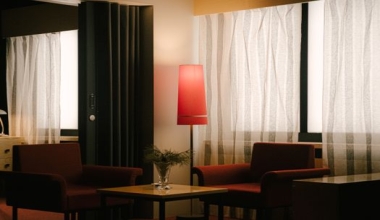
Choosing the right curtains for your home or office goes beyond simply picking a color that matches your sofa. The debate between patterned vs solid curtains shapes the entire feel of a room — influencing perceived space, light, mood, and even acoustic performance. This comprehensive guide digs deep into the pros, cons, and practical applications of both styles, helping you make a confident choice for any space.
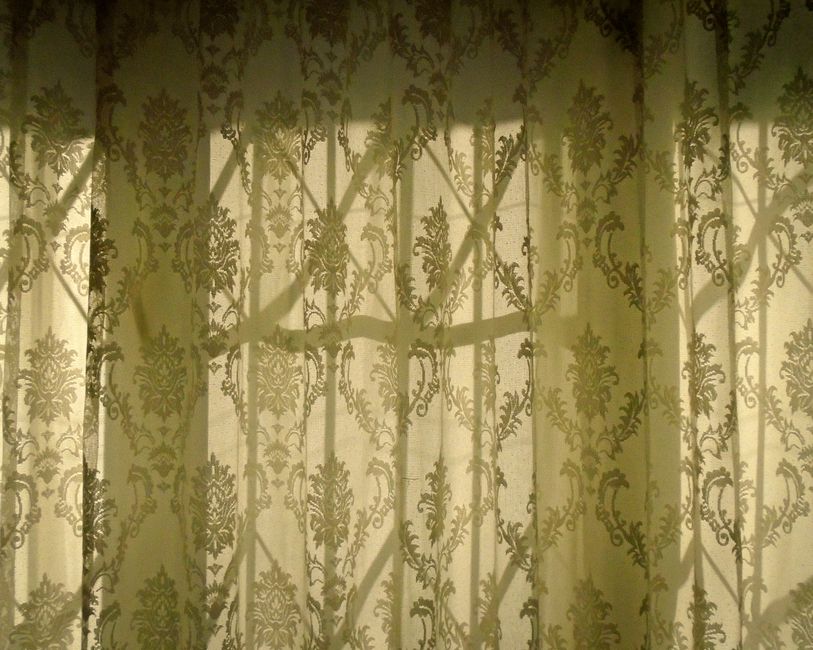
The Power of Patterned Curtains
Patterned curtains are the storytellers of interior design. They introduce visual interest, personality, and a strong focal point to a room. From subtle stripes to bold florals, geometric prints, or abstract designs, patterns can transform a plain window into a feature.
Visual Impact and Personality
A well-chosen pattern can inject energy into an otherwise neutral room. Large-scale patterns tend to draw attention and create a dramatic statement, while smaller, more frequent patterns like pinstripes or tiny polka dots offer texture without overwhelming the space. If you love maximalism or want a space to feel lived-in and curated, patterned curtains give you that artistic edge.
Hiding Imperfections and Stains
One practical advantage of patterned fabric is its ability to camouflage dirt, dust, and minor stains. In high-traffic areas or homes with children and pets, patterned curtains are far more forgiving than solid colors. This makes them a smart choice for living rooms, playrooms, and dining rooms where spills and splashes are inevitable.
Patterns and Room Proportions
Patterns can also alter the perception of space. Vertical stripes draw the eye upward, making ceilings feel higher. Horizontal stripes can widen a narrow window. Diagonals and abstract shapes add a dynamic flow. However, too much pattern in a small room can feel cluttered, so balance is key.
Popular Pattern Styles
- Geometric: modern, structured, works with minimalist decor
- Floral: romantic, timeless, adds softness
- Stripes: classic, versatile, creates optical illusions
- Toile: vintage, story-telling, for traditional spaces
- Ikat/Paisley: bohemian, intricate, adds global flair
___PROTECTED_1___
The Appeal of Solid Curtains
Solid curtains are the undisputed champions of simplicity and flexibility. A solid color creates a clean backdrop, letting other elements in the room — furniture, wall art, lighting — shine. They are the ultimate chameleons, adapting to changing decor trends and styling choices.
Timeless Elegance and Versatility
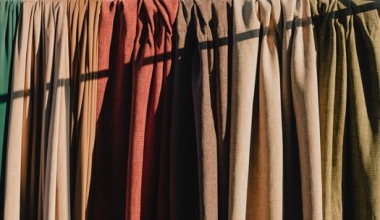
Solid curtains never go out of style. Whether you choose ivory, charcoal, navy, or sage, solid fabrics blend seamlessly with any interior theme. This longevity makes them a wise investment, especially if you like to refresh decorative accessories often. You won't need to replace the curtains every time you change a cushion or rug.
Enhancing a Minimalist or Modern Space
For lovers of minimalist, Scandinavian, or contemporary design, solids are the logical choice. They support the less-is-more philosophy by providing a calm, uncluttered backdrop. Solid curtains in textured fabrics like velvet or linen add depth without introducing bold patterns, preserving the serene atmosphere.
Creating a Sense of Height and Space
Solid curtains, especially in light shades, make a room feel larger and airier. Because there is no interruption in the visual flow, the eye travels smoothly from the window to the rest of the room. This is particularly useful in smaller apartments or rooms with limited natural light.
Psychological Calm and Focus
Solid colors are less stimulating than patterns, which can help create a restful environment. In bedrooms and home offices, solid curtains promote relaxation and concentration. They are also the safer choice if you have busy patterned sofas, area rugs, or wallpaper — they avoid the 'clash' that can happen with too many competing patterns.
___PROTECTED_2___
Key Considerations: Room Size, Lighting, and Decor Style
When deciding between patterned and solid curtains, context is everything. Here are the main factors to evaluate:
Room Size and Ceiling Height
- Small room: Solid curtains in light colors make it feel more spacious. If you love patterns, choose a subtle, small-scale pattern on a light background.
- Large room: Bold patterns can fill the space and add coziness. Horizontal stripes can make a very wide room feel more intimate.
- Low ceiling: Vertical stripes or solid floor-to-ceiling curtains elongate the wall.
- High ceiling: You have the freedom to experiment with both large patterns and rich solid colors.
Natural Light Levels
If your room receives abundant sunlight, patterned curtains can handle the brightness without washing out. In dark rooms, solid light-colored curtains are better at reflecting available light. Sheer fabrics in solid tones can create a soft, luminous glow; in patterns, they add texture but may darken the room slightly due to the print.
Existing Decor and Furniture
Look around the room. Does it already feature many patterns? If so, solid curtains will provide balance. If the room is very plain, a patterned curtain adds the missing focus. As a rule of thumb: choose patterned curtains to complement a neutral room, and solid curtains when your furniture or wallcovering is already busy.
Fabric Choices: Patterned vs Solid in Different Materials
The fabric you choose impacts performance and appearance. Here's how patterns and solids work across popular curtain fabrics from our collection:
| Fabric Type | Patterned Curtains | Solid Curtains |
|---|---|---|
| Blackout | Patterned blackout fabrics combine light-blocking tech with style. Great for bedrooms where you want both darkness and a design statement. | Solid blackout curtains are classic and blend into any decor. Ideal for nurseries, home theaters, or shift workers. |
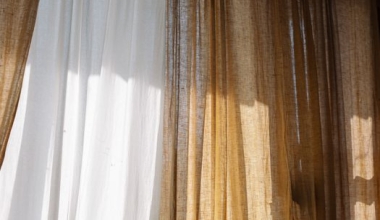
| Sheer | Patterned sheers add subtle intrigue and privacy without heavy coverage. They cast beautiful shadow patterns when sunlight shines through. | Solid sheers are the ultimate soft touch. They make rooms feel breezy and are perfect for layering underneath heavier curtains. |
| Velvet | Patterned velvet is luxurious and attention-grabbing. Often embossed or damask, it adds a regal vibe. | Solid velvet is plush and timeless. Its natural sheen offers visual interest without needing a print, making it a favorite for formal living rooms. |
| Acoustic | Acoustic curtain fabrics often have a waffle weave or grid structure; patterns can enhance sound absorption by adding surface area. | Solid acoustic curtains are discreet, blending into open-plan offices and studios while reducing echo. |
Practical Tips for Mixing and Matching
Who says you have to choose one or the other? Combining patterns and solids can yield a designer-level look. Here are some actionable tips:
- Layer them: Use a solid sheer underneath and patterned blackout on top. This gives you flexibility and a layered aesthetic.
- Use a pattern on the outer panels, solid on the valance or tiebacks.
- Match a pattern's base color to a solid curtain: For example, if your patterned curtain has a beige background, choose beige solid curtains for the rest of the room.
- Keep proportion in mind: In a small space, use patterned curtains on only one window; use solids on the others.
- Follow the 60-30-10 rule: 60% of the room in a dominant solid color, 30% in a secondary pattern or texture, and 10% in accent details.
How to Choose: A Step-by-Step Guide
Follow this simple process to arrive at the perfect decision:
- Determine the function: Is the room for sleep, work, entertainment, or dining? Identify the priority: light control, privacy, acoustics, or aesthetics.
- Assess the room's visual load: Count the number of patterns already present on walls, rugs, sofas, and art. If it's over 3, choose solid curtains.
- Decide on the mood: Do you want a calm, serene space? Pick solid colors. Do you want energy and vibrancy? Choose a pattern.
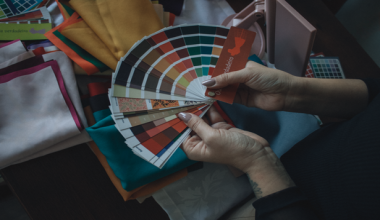
- Test samples: Always order fabric swatches. Place them against your wall and furniture in different daylight conditions.
- Consider the long term: Solids are easier to redecorate around. Patterns are more tied to a specific style. If you change decor frequently, go solid.
- Think about upkeep: If stains are a concern, pattern is your friend. If you prefer a crisp, clean look, solids may require more frequent washing.
Frequently Asked Questions
Do patterned curtains make a room look bigger or smaller?
Patterns can make a room feel smaller if they are busy and dark. However, large-scale vertical patterns on light backgrounds can actually make a room look taller. Solid light-colored curtains are the safest way to make a room feel larger.
Can I mix patterned curtains with patterned wallpaper?
Yes, but it requires skill. Keep one pattern dominant and the other subtle. For example, if the wallpaper has bold florals, choose curtains with a very tiny geometric pattern in a matching color. Alternatively, use solid curtains to avoid conflict.
What are the best curtain patterns for blackout curtains?
Geometric and striped patterns work especially well on blackout fabric because they disguise the necessary liner or coating. Avoid very large symmetrical patterns that might look distorted when the curtains are closed.
Are solid velvet curtains too heavy for small rooms?
Not if you choose the right color and hanging style. A light gray or ivory velvet in a small room adds luxury without overwhelming. Opt for slim rod and compressed panel width to reduce bulk.
Conclusion
There is no universal winner in the patterned vs solid curtains debate — only the right choice for your unique space and needs. Patterned curtains bring life, character, and the practical benefit of camouflage. Solid curtains offer timeless elegance, versatility, and a calming backdrop. By evaluating your room's size, lighting, decor, and function, and by understanding how different fabrics like blackout, sheer, velvet, and acoustic behave in each style, you can select curtains that elevate your space in both form and function.
Still unsure? Order a couple of samples from both categories. Hang them next to your window and live with them for a few days. You'll quickly notice which one makes you feel more at home.