When it comes to linen fabrics, the debate between European and Chinese linen is a hot topic among designers, manufacturers, and consumers alike. Both have their strengths, but understanding the differences can dramatically affect your project’s outcome, budget, and sustainability goals. In this in-depth guide, we’ll break down the key distinctions—from fiber quality and weaving techniques to price points and environmental impact. By the end, you’ll know exactly which type of linen is the right choice for your home, fashion line, or acoustic panel application.
What Is European Linen?
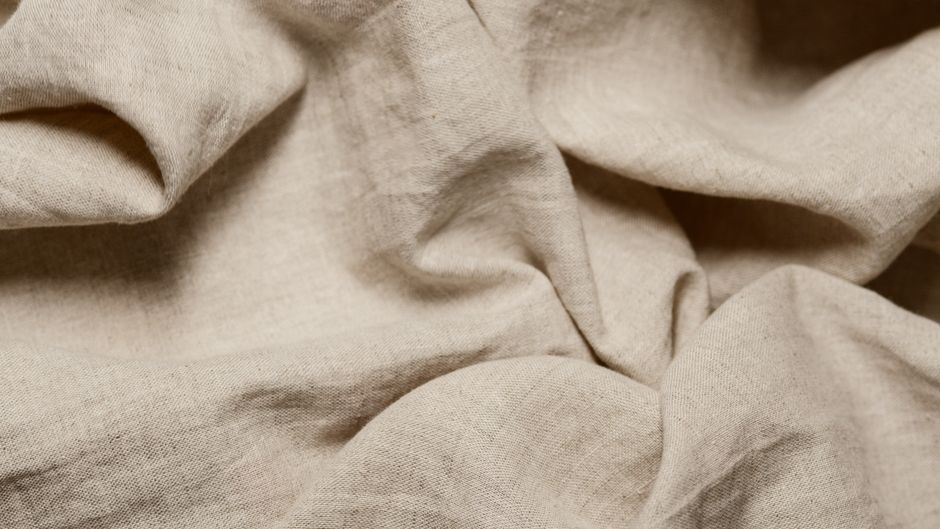
European linen is grown and processed primarily in Western and Northern Europe, with France, Belgium, and the Netherlands being the most renowned producers. The cool, humid maritime climate in these regions is ideal for growing flax, the plant from which linen is made. European flax is known for its exceptionally long, strong fibers, which result in a smooth, durable, and lustrous fabric. Strict agricultural regulations and quality control measures ensure that European linen meets high standards. It is often certified with labels like European Flax or Masters of Linen, guaranteeing traceability and sustainable practices.
___PROTECTED_1___
What Is Chinese Linen?
Chinese linen, as the name implies, is produced in China, which is actually one of the world’s largest growers of flax. However, the climate in China’s major flax-growing regions (such as Heilongjiang and Xinjiang) differs significantly from Europe. Chinese flax tends to be shorter and coarser due to less consistent rainfall and temperature. While some high-quality Chinese mills produce premium linen, the majority of Chinese linen is processed with heavier chemical treatments to compensate for the lower fiber quality. It is often more affordable, making it a popular choice for budget-conscious buyers.
___PROTECTED_2___
Key Differences: Fiber Quality and Processing
Fiber Length and Strength
The most critical distinction between European and Chinese linen lies in the length of the flax fibers. European flax fibers can reach lengths of 30–40 cm, while Chinese flax typically ranges from 15–25 cm. Longer fibers create yarns with fewer joins, resulting in a smoother, stronger, and more lustrous fabric. Chinese linen, with shorter fibers, may feel rougher and is more prone to pilling or breakage over time.
Weaving and Finishing
European linen is often woven on slower, more precise looms, and then undergoes rigorous finishing processes, including brushing, softening, and sometimes pre-washing. Chinese linen, due to cost pressures, is often woven at higher speeds, which can introduce irregular tension. Chemical softening agents are commonly used to mask the inherent stiffness of the fabric. As a result, Chinese linen may feel soft initially but can lose that softness after washing, whereas European linen typically becomes even softer with each wash.
Comparison Table: European vs Chinese Linen
| Aspect | European Linen | Chinese Linen |
|---|---|---|
| Fiber Length | Long (30–40 cm) | Short (15–25 cm) |
| Strength | High, durable | Moderate, prone to wear |
| Texture | Smooth, lustrous | Rough, uneven |
| Production Methods | Strict quality control, sustainable farming | More industrial, chemical-heavy processing |
| Price | Higher | Lower |
| Certifications | European Flax, Masters of Linen | Fewer standard certifications |
| Durability | Excellent, long-lasting | Good but may degrade faster |
| Environmental Impact | Lower, organic farming common | Higher due to agrochemicals and energy use |
Price and Availability
Unsurprisingly, European linen commands a premium price—often 30–70% more than Chinese linen. This is due to higher labor costs, more stringent environmental regulations, and slower, more careful production. Chinese linen is widely available and much cheaper, making it attractive for bulk orders and pick-up projects. However, keep in mind that “cheap” does not always mean “good value.” If you need linen that will hold up to heavy drapery, frequent washing, or high-traffic upholstery, the extra investment in European linen often pays off in the long run.
Sustainability and Environmental Impact
European linen is often considered the gold standard for sustainable textiles. The flax plant requires minimal irrigation—it thrives on rainfall alone—and the entire plant is used, leaving little waste. European farmers practice crop rotation, which naturally preserves soil health. Additionally, many European processors use mechanical retting (the process of separating fibers) instead of chemical retting, which saves water and reduces pollution. Chinese linen production, in contrast, may rely on pesticides, synthetic fertilizers, and chemical retting methods. While some Chinese mills are adopting greener practices, the overall environmental footprint is typically higher. For eco-conscious consumers, choosing European linen is a clear winner.
How to Choose the Right Linen
Your choice between European and Chinese linen should depend on your specific needs. Here are some practical tips:
- For luxury interiors or high-end fashion: Invest in European linen. Its superior drape, luster, and durability will justify the cost.
- For budget-friendly projects or temporary decorations: Chinese linen can work, but be prepared for a stiffer hand feel and more wrinkling. Opt for a blended fabric if you need to cut costs further.
- For acoustic panels and curtains: European linen’s natural thickness and density make it excellent for sound absorption. If using Chinese linen, choose a heavier weave to compensate for the thinner fiber.
- For bedding and apparel: Only European linen gives you the smooth, breathable comfort that makes linen famous. Chinese linen might feel scratchy against the skin.
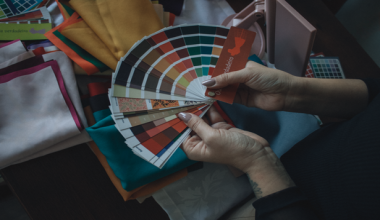
- When in doubt, request swatches: Always ask for fabric samples and feel them. That’s the most reliable way to judge quality.
Care Tips for Linen Fabrics
Regardless of whether you choose European or Chinese linen, proper care extends its lifespan and keeps it looking beautiful:
- Wash gently: Use cold or lukewarm water and a mild detergent. Hot water can cause shrinkage and weaken fibers.
- Air dry when possible: Tumble-drying on a low setting is okay, but air drying reduces wrinkles and prevents fiber damage.
- Iron while slightly damp: Linen wrinkles easily, but ironing it while it’s still a little moist makes the process easier.
- Avoid chlorine bleach: Use oxygen-based bleach for whites if needed.
- Store rolled, not folded: Folding can create permanent creases in linen. If you must fold, do so along the natural drape.
Conclusion
European linen and Chinese linen may share the same plant origin, but they are worlds apart in quality, sustainability, and price. European linen offers unmatched luxury, durability, and eco-friendliness—perfect for premium curtains, sheers, and clothing. Chinese linen provides an affordable alternative that can be suitable for certain applications, especially when budget is the primary constraint. By understanding the differences outlined in this guide, you can make an informed decision that aligns with your project’s requirements and values. When in doubt, always prioritize quality, because the fabric you choose defines the final product’s look, feel, and longevity.