When it comes to defining the ambiance and functionality of a luxury hotel, curtains play a pivotal role. They are not merely window coverings but integral elements that enhance guest experience, control light, provide privacy, and contribute to the overall aesthetic. In this comprehensive guide, we delve into the world of luxury hotel curtains, exploring the best fabrics, buying tips, care instructions, and real-world applications that set five-star properties apart.
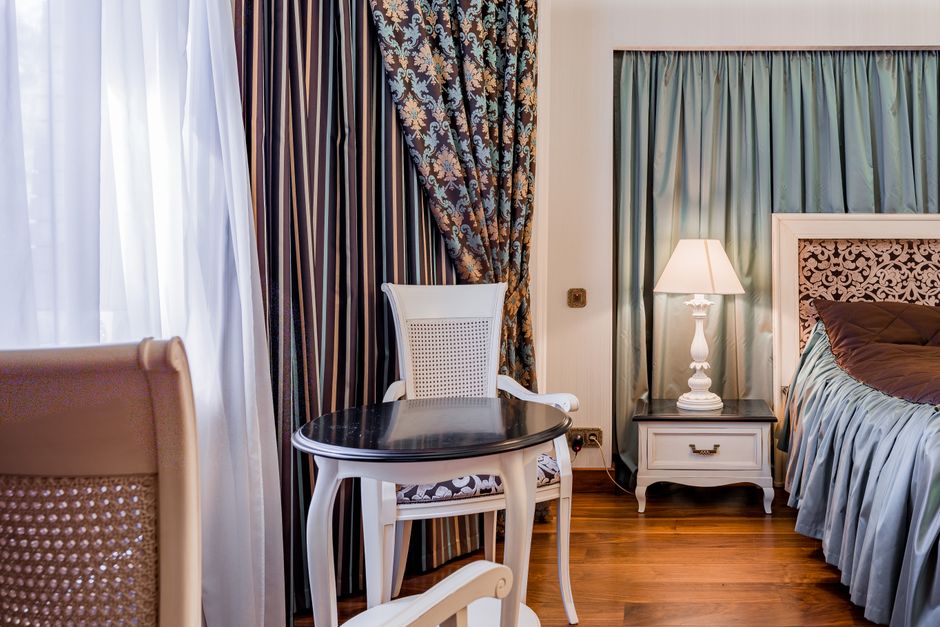
The Role of Curtains in Luxury Hotel Design
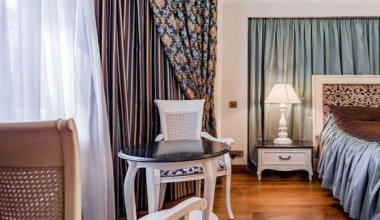
In high-end hospitality, every detail matters. Curtains influence the mood of a room, from the welcoming lobby to the serene guest room. They must balance elegance with practicality, offering light control, sound absorption, thermal insulation, and fire safety—all while complementing the hotel's design theme. Luxury hotel curtains are often custom-made to achieve a perfect fit and drape, and they are selected to align with brand identity, whether it's opulent vintage or sleek modern.
___PROTECTED_1___
Essential Curtain Fabrics for High-End Hotels
The choice of fabric is crucial. Four primary types dominate the luxury hotel segment: blackout, sheer, velvet, and acoustic fabrics. Each serves distinct purposes and can be layered for maximum effect.
Blackout Fabrics
Blackout curtains are a non-negotiable in luxury hotels. They block 100% of external light, ensuring guests enjoy undisturbed sleep regardless of the time of day. These fabrics are typically made with multiple layers—a dense weave, a foam or acrylic coating, and a backing—that also offer thermal insulation, reducing heating and cooling costs. Look for fabrics with a high opacity rating (e.g., 100% blackout) and fire-retardant properties, which are often required by building codes.
Sheer Fabrics
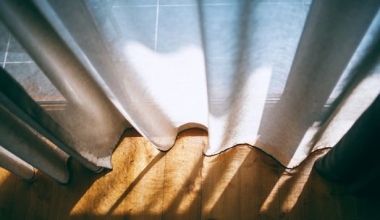
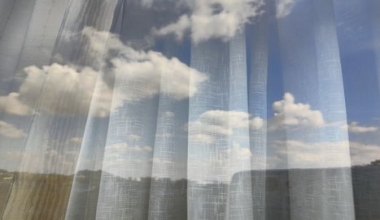
Sheer curtains are used to soften natural light while maintaining privacy. In luxury settings, they are often layered behind blackout drapes to create a dynamic look: during the day, the sheers filter light gracefully; at night, the blackouts provide total darkness. Sheer fabrics range from lightweight voiles to semi-transparent linens, and they add a touch of elegance. Choose materials that resist yellowing and have a silky hand feel.
Velvet Fabrics
Velvet is synonymous with luxury. Its rich pile and deep colors evoke opulence, making it a favorite for grand lobbies, suites, and dining areas. Velvet curtains also offer excellent sound absorption and insulation due to their density. However, they require careful maintenance to avoid crushing or fading. For hotels, synthetic velvet blends (e.g., polyester) are practical as they are more durable and stain-resistant than natural silk velvet.
Acoustic Fabrics
Noise control is a growing priority in luxury hotels, especially in urban locations. Acoustic curtains are designed to dampen sound transmission, improving guest comfort. These fabrics incorporate heavy layers, mass-loaded vinyl, or special acoustic felts. They are often rated with a Sound Transmission Class (STC) value—the higher the better. For best results, floor-to-ceiling installations with minimal gaps are recommended.
___PROTECTED_2___
Buying Guide: What to Look For in Hotel Curtains
Selecting the right curtains for a hotel involves evaluating several key factors beyond aesthetics. Here’s a checklist for procurement managers and designers:
- Light Control: Determine the required opacity. Use blackout liners or fabrics with a tight weave for bedrooms; sheers for common areas.
- Sound Absorption: For noisy environments, choose heavy, multi-layered fabrics or acoustic-rated materials.
- Fire Retardancy: Ensure all fabrics meet local fire safety codes (e.g., NFPA 701 in the US, BS 5867 in the UK). Certificates should be provided.
- Durability: Fabrics must withstand frequent opening, closing, and cleaning. Look for high rub tests (Martindale >30,000 cycles) and resistance to fading (UV rating).
- Ease of Maintenance: Opt for machine-washable or dry-cleanable fabrics, and consider removable linings for regular laundering.
- Thermal Insulation: Energy-efficient curtains with thermal backing reduce HVAC loads.
- Customization: Hotels often require tailored sizes, pleating styles (e.g., pinch pleat, ripplefold), and header types for motorization.
The table below compares the four main fabric types across these criteria:
| Fabric Type | Light Control | Sound Absorption | Fire Retardancy | Durability | Maintenance |
|---|---|---|---|---|---|
| Blackout | 100% | Good | Often inherent | High | Easy (some washable) |
| Sheer | Low | Low | Chemical treatment | Moderate | Gentle wash |
| Velvet | High (with lining) | Excellent | Often added | Moderate-High | Dry clean recommended |
| Acoustic | Variable | Very High | Yes | High | Vacuum/spot clean |
Installation and Care Tips for Longevity
Proper installation and maintenance extend the life of luxury curtains. Consider these best practices:
- Motorization: Automated curtain tracks are a hallmark of luxury hotels. They allow remote control scheduling and integration with room management systems.
- Professional Installation: Ensure curtains are hung with appropriate clearance (floor-to-ceiling) to avoid light gaps and maximize insulation.
- Regular Cleaning: Vacuum curtains weekly using a brush attachment to remove dust. Schedule professional cleaning every 3-6 months for heavy-use areas.
- Fabric Protection: Apply fabric guard sprays to resist stains, especially in dining areas. For velvet, use a steam cleaner to refresh pile without crushing.
- Inspect Hardware: Check tracks, rings, and motors periodically for wear and tear. Lubricate moving parts as needed.
Industry Application Cases: From Boutique Hotels to Five-Star Resorts
Real-world examples illustrate the impact of well-chosen curtains. For instance, a boutique hotel in Paris uses floor-to-ceiling blackout velvet drapes in deep navy to create a cocooning atmosphere in its guest rooms, paired with organza sheers for daylight diffusion. A beach resort in the Maldives employs acoustic curtains in its spa suites, reducing wave noise and enhancing relaxation. Meanwhile, a business hotel in Singapore installed motorized blackout and sheer layers to adapt to varying guest schedules and daylight hours.
In lobbies, lavish velvet drapes with gold trim evoke grandeur, while in restaurants, semi-sheer linen curtains soften sunlight and add texture. Each application demonstrates the synergy between fabric choice and design intent.
Conclusion
Luxury hotel curtains are a blend of art and science. By selecting the right fabrics—blackout for sleep, sheer for elegance, velvet for luxury, acoustic for silence—and adhering to stringent buying criteria, hoteliers can elevate guest satisfaction while meeting operational demands. For bespoke solutions, always consult with specialized curtain manufacturers who understand the hospitality sector. Ready to transform your property? Explore our collection of premium contract-grade curtain fabrics today.