Custom curtains are more than just window coverings—they define the ambiance, privacy, and functionality of a room. Whether you're seeking blackout darkness for better sleep, ethereal sheer drapes for diffused light, rich velvet for opulence, or acoustic panels for sound control, this guide covers everything you need to know. From fabric selection to installation and care, we’ll help you make informed decisions that transform your space.
1. Understanding Curtain Fabric Types
Blackout Fabrics
Blackout curtains are designed to block nearly 100% of external light. They typically feature a dense weave or a special coating (e.g., foam or acrylic) that prevents light penetration. Ideal for bedrooms, home theaters, or nurseries, they also offer thermal insulation, reducing heat loss in winter and heat gain in summer. Look for fabrics with a lining that's opaque and tightly woven. Some blackout fabrics have a triple-weave construction for maximum light blockage and noise reduction.
Sheer Fabrics
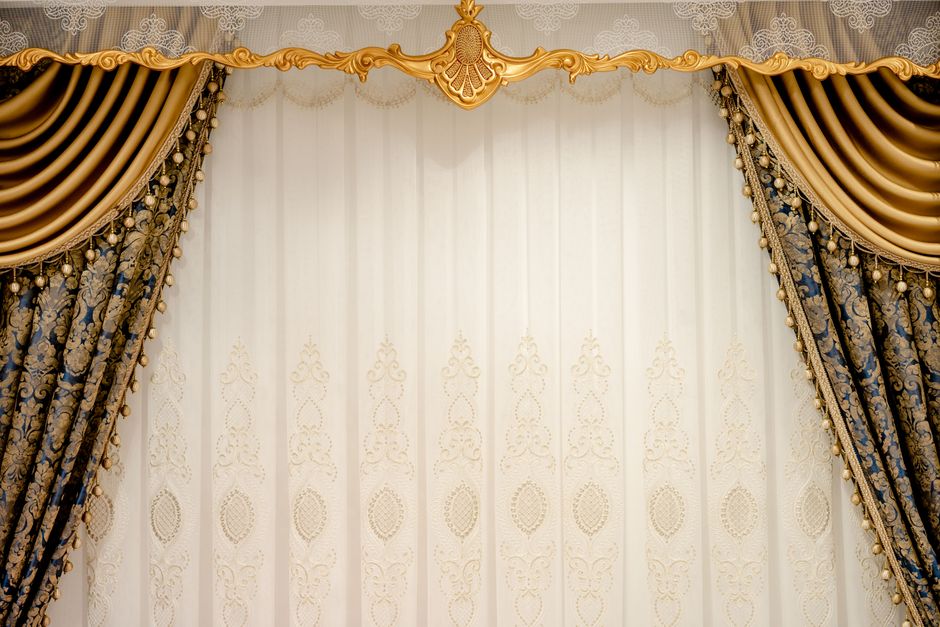
Sheer curtains are lightweight, translucent fabrics that soften sunlight while maintaining privacy. Common materials include voile, organza, and linen blends. They come in various opacities—from barely-there to semi-sheer. Use sheers alone in living areas for an airy feel, or layer them with heavier drapes for versatility. They also create a sense of height and openness in small rooms.
Velvet Fabrics
Velvet is synonymous with luxury. Its plush, dense pile gives a rich texture and excellent insulation. Available in synthetic (polyester, rayon) or natural (silk, cotton) fibers, velvet drapes heavily and adds drama. While it blocks a fair amount of light, it's not fully blackout unless lined. Velvet works best in formal living rooms, master bedrooms, or theaters where sound dampening is also desired. Be aware that velvet can attract dust and requires gentle care.
Acoustic Fabrics
Acoustic curtains are engineered to absorb sound waves, reducing echo and noise transmission. They are made from thick, multilayered materials—often a dense felt core surrounded by fabric. These curtains are perfect for open-plan offices, recording studios, or noisy homes near traffic. They also provide thermal insulation and some light control. While not as decorative as velvets, many acoustic fabrics come in modern neutrals and can be customized with pleats or grommets.
___PROTECTED_1___
2. The Custom Curtain Buying Guide
Measure Accurately
Always measure the width of your window or the entire wall if you intend floor-to-ceiling coverage. For fullness, multiply the window width by 1.5 to 3 times, depending on fabric thickness. Length should account for the rod placement: typically 4–6 inches above the window frame, and extend to the floor (with a 1-inch clearance or puddle on the floor for a luxurious look). Use a steel tape measure and record all dimensions in inches or centimeters.
Choose the Right Lining
Lining improves curtain performance. Options include:
- Light-blocking lining: Adds opacity for blackout versions.
- Thermal lining: Enhances insulation, often with a foam or flannel backing.
- Privacy lining: A white or neutral layer that prevents view from outside while letting light through.
- Acoustic lining: Specialized mass-loaded vinyl or felt layers for soundproofing.
Hardware and Mounting
Custom curtains require sturdy rods or tracks. For heavy velvet or acoustic curtains, use a metal rod with a 1-inch or larger diameter, supported by brackets at least 3 inches deep to avoid sagging. For bay windows or curved installations, flexible track systems work best. Consider motorization for hard-to-reach windows or smart home integration. Also, decide between header styles: pinch pleat for formal, grommet for modern, tab top for casual.
___PROTECTED_2___
3. Caring for Your Custom Curtains
Regular Maintenance
Dust curtains weekly using a vacuum with a brush attachment or a soft duster. For sheers, use a low-suction setting to avoid pulling threads. Spot-clean stains immediately with a mild detergent and cold water—never rub, just blot. Rotate exposure to sunlight to prevent fading on one side.
Washing and Dry Cleaning
Always check the care label. Most blackout and acoustic curtains should be dry-cleaned due to their linings. Hand-washable sheers (like cotton voile) can be gently machine-washed on a delicate cycle in cold water and hung to dry. Velvet should be dry-cleaned to preserve its pile. Never iron directly on the face of velvet; use a steamer or iron on the reverse side at low heat.
Deep Cleaning Schedule
Professional cleaning every 12–18 months prolongs fabric life. For homes with pets or smokers, consider semi-annual cleaning. Store spare panels in a cool, dry place, folded loosely in acid-free tissue paper to avoid creases.
4. Industry Applications
Hospitality
Hotels and resorts use blackout curtains for guest sleep quality and velvet for lobby grandeur. Acoustic curtains in meeting rooms reduce noise spill. Custom curtains with antimicrobial finishes are growing in demand.
Commercial Offices
Open-plan offices benefit from acoustic curtains to dampen sound, while sheer curtains manage glare on computer screens. Track systems allow flexible zoning. Some offices use motorized blackout curtains for presentation rooms.
Home Theaters
Dark velvet or specialized cinema blackout fabrics cover walls and windows to eliminate reflections. Acoustic panels can be integrated into curtain layers. Seamless floor-to-ceiling installation is essential for true immersion.
5. Cost Considerations and Value
Custom curtains vary widely in price based on fabric, lining, size, and labor. Simple sheers may start at $50 per panel, while designer velvet with acoustic backing can exceed $500 per panel. However, well-made custom curtains last 10–20 years, making them a worthwhile investment. Factor in installation costs ($100–$300) and hardware ($50–$200). Many companies offer free swatches—order several to compare color and texture in your lighting.
6. Final Tips for Perfect Custom Curtains
- Request a measurement home visit to avoid errors.
- Consider blackout linings for bedrooms even if the main fabric is sheer—dual-use.
- For high ceilings, order longer panels and hem them slightly to pool on the floor.
- Use return rods to stack curtains back neatly without blocking windows.
- Test a small swatch for light blockage by holding it against a bright window.
Custom curtains are a blend of art and science. With the right fabric, lining, and care, they enhance your home's comfort and beauty for years. Whether you’re outfitting a cozy reading nook or a professional studio, this guide ensures you make choices that align with your needs and style.