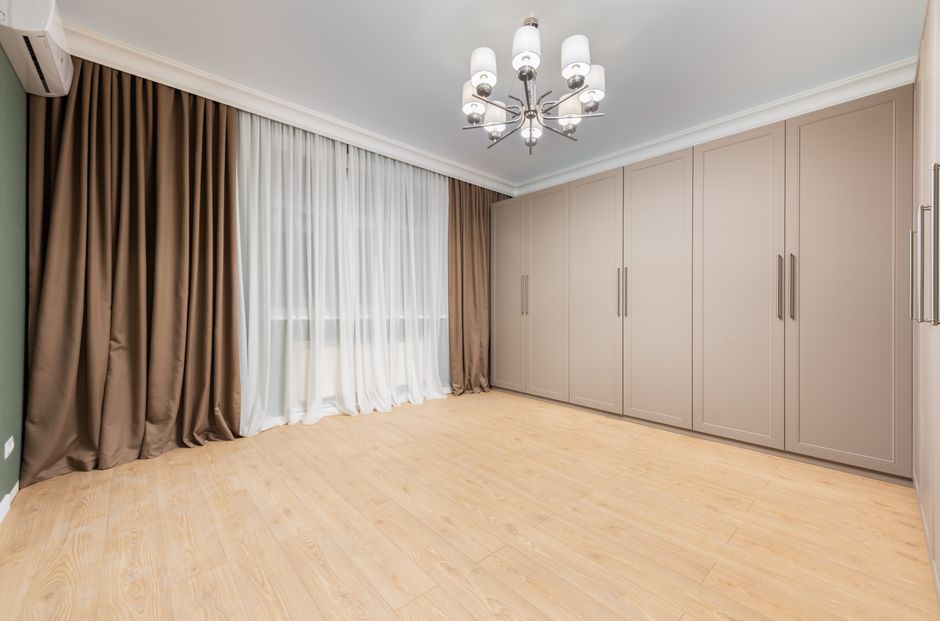
Introduction to Curtain Pleats
Curtain pleats are more than just a decorative element; they define the drape, fullness, and overall aesthetic of your window treatments. Whether you're dressing a cozy living room or a professional office, understanding pleats helps you tailor the look to your space. This guide covers everything from classic pinch pleats to modern wave pleats, ensuring you make an informed choice for your fabrics—be it blackout, sheer, velvet, or acoustic.
___PROTECTED_1___
What Are Curtain Pleats?
Pleats are folds of fabric that create structured bunching at the top of a curtain heading. They control how the fabric falls and how much light filters through. Different pleats offer varying levels of formality, fullness, and functionality. The type of fabric you choose—lightweight sheer or heavy velvet—also influences which pleat works best.
___PROTECTED_2___
Types of Curtain Pleats
Pinch Pleat
The classic pinch pleat features three or more folds stitched together at the top, forming a neat "pinch." It's ideal for formal settings and works beautifully with velvet and blackout fabrics, as it maintains structure. For best results, use a fabric with good body, like polyester blends.
Goblet Pleat
Goblet pleats form rounded shapes at the top, resembling wine goblets. They add a luxurious, traditional look perfect for velvet or heavy acoustic curtains. The pleats are often stiffened with interlining to hold their shape.
Pencil Pleat
Also known as standard pleat, pencil pleats create uniform, narrow folds using a tape with cords. This versatile option works with almost any fabric, including light sheers and medium-weight blackout materials. Adjustable fullness makes it a practical choice for DIY projects.
Wave Pleat
Wave pleats produce soft, continuous S-curves without sharp folds. They are modern and minimal, ideal for sheers and lighter fabrics. Wave pleats require a special track or rod system and are popular in contemporary interiors.
Tab Top Pleat
Tab tops feature fabric loops that slide onto the rod, creating soft gathers. They are casual and best for lightweight curtains in relaxed settings. Not recommended for heavy blackout or acoustic fabrics due to stress on the tabs.
Grommet Pleat
Grommet curtains have metal rings sewn into the fabric, allowing easy sliding on a rod. They produce uniform folds and are great for medium to heavy fabrics, especially in modern spaces. However, they may not offer the refined look of pinch pleats.
Box Pleat
Box pleats create flat, folded panels with a crisp, architectural appearance. They work well with mid-weight fabrics like cotton blends and are often used for sheers in clean-lined interiors.
| Pleat Type | Best Fabrics | Formality | Fullness Factor |
|---|---|---|---|
| Pinch Pleat | Velvet, blackout, acoustic | Formal | 2.5x - 3x |
| Goblet Pleat | Velvet, heavy polyester | Very formal | 2.5x - 3x |
| Pencil Pleat | Sheer, medium-weight | Informal to semi-formal | 2x - 2.5x |
| Wave Pleat | Sheer, light fabrics | Modern casual | 2x |
| Tab Top | Cotton, light linen | Casual | 1.5x |
| Grommet | Blackout, medium-weight | Contemporary | 2x |
| Box Pleat | Smooth cotton, sheers | Formal to casual | 2x |
How to Choose the Right Pleat for Your Fabric
Lightweight & Sheer Fabrics
Sheer fabrics like voile or lace benefit from wave pleats or pencil pleats, which allow soft, airy movement. Avoid heavy pleats that can pull the fabric downward. For sheers, a fullness factor of 2x is typical.
Velvet & Heavy Fabrics
Velvet and thick blackout materials require structured pleats like pinch or goblet. These maintain shape and prevent sagging. Use a lining to add body. For acoustic curtains, pinch pleats help reduce sound transmission by creating dense folds.
Blackout Fabrics
Blackout curtains often have a backing; choose pleats that don't crush the lining. Grommet or pencil pleats are practical, but pinch pleats offer better light blockage if properly constructed. Ensure the pleat depth accommodates the thickness.
Acoustic Curtains
Acoustic curtains are dense and heavy. Pinch pleats or goblet pleats work best to keep the fabric in uniform folds, enhancing sound absorption. Avoid tab tops or grommets that may stress the material.
Installation & Care Tips
Measuring for Pleats
To achieve proper fullness, multiply your window width by the fullness factor for your chosen pleat. For pinch pleats, use 2.5x to 3x; for pencil, 2x to 2.5x. Height: measure from the top of the rod to where you want the curtain to end. Add extra for hem allowances.
Curtain Heading Styles
The heading (top of the curtain) includes the pleats and any tape or rings. For a polished look, use a rod with finials that complement the pleat style. Wave pleats require special wave tracks. Ensure hooks or rings are compatible.
Care for Pleated Curtains
Most pleated curtains can be gently vacuumed or steamed. Avoid washing if possible; if you must, hand wash cold and lay flat. Reshaping pleats after cleaning is crucial—use a steamer on low heat. For velvet, professional cleaning is recommended. Blackout fabrics may shrink in hot water, so check labels.
Frequently Asked Questions
Which pleat is best for blocking light?
Pinch pleats and goblet pleats, when combined with blackout fabric, offer maximum light blockage because the folds create dense layers. Grommets let light through at the top, so they're less effective.
Can I change pleats on existing curtains?
Yes, but it requires sewing skills. You can convert a pencil pleat to a pinch pleat by adding new tape. However, if the fabric is delicate, it's safer to buy new curtains.
How do I calculate fabric for pleated curtains?
Use the formula: fabric width = window width × fullness factor. Add 6-8 inches for side hems. For lengths, add 8-10 inches for top and bottom hems. Always consult a DIY guide specific to your pleat type.
Conclusion
Choosing the right curtain pleat elevates your interior design while ensuring functionality. From the structured elegance of pinch pleats on velvet to the airy flow of wave pleats on sheers, each style serves a purpose. Consider your fabric, room use, and maintenance needs. With this guide, you're equipped to select and install perfect pleats for any space. For custom options, consult a professional to match your fabric type with the ideal pleat.