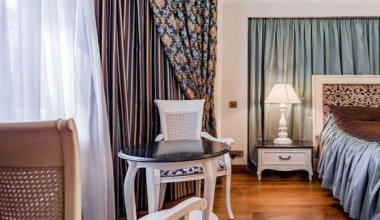
Bay windows are a stunning architectural feature that adds depth, light, and character to any room. But dressing them with curtains can be a daunting task. Unlike standard flat windows, bay windows consist of three or more panels set at angles, creating a cozy alcove. This unique shape demands a thoughtful approach to curtain selection, measuring, and installation. In this comprehensive guide, we'll walk you through everything you need to know about bay window curtains, from measuring and fabric selection to track systems and styling tips.
Understanding Bay Window Curtains
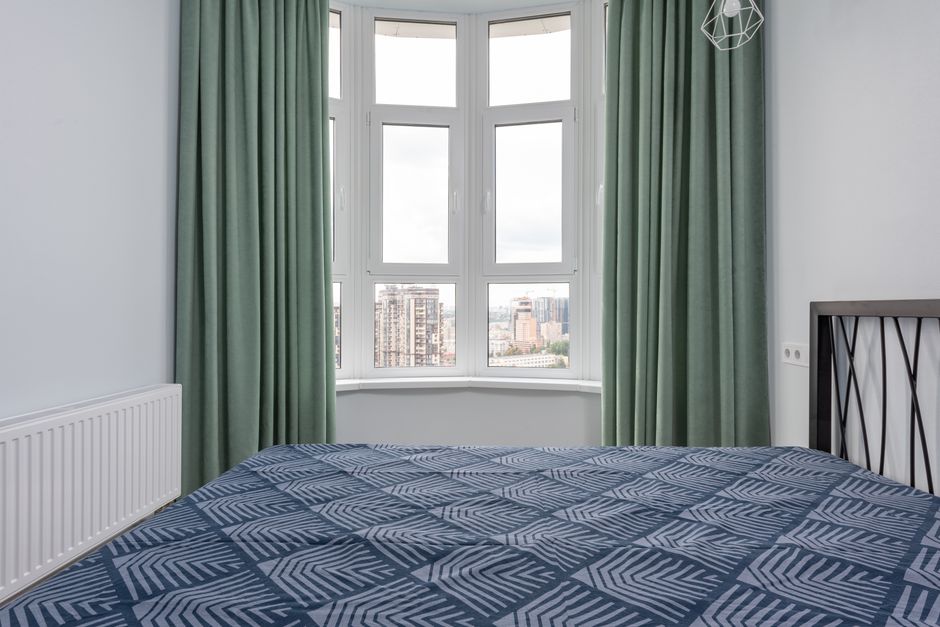
Bay windows typically feature a large central pane flanked by two angled side windows. They come in various configurations: box bays, bow bays, and angled bays. Curtains for bay windows serve multiple purposes: they provide privacy, control natural light, insulate the alcove, and enhance the room's aesthetic appeal. The challenge lies in the fact that each section of the window may require its own curtain treatment, or you can opt for a single continuous track that follows the bay's angles. The right choice depends on the style of your room, the type of bay window, and the functionality you need.
___PROTECTED_1___
Measuring Your Bay Window for Curtains
Accurate measurement is the most critical step when purchasing or making bay window curtains. A mistake here can lead to ill-fitting curtains and a frustrating installation. Follow this step-by-step guide to measure your bay window correctly.
Tools You'll Need
- Metal tape measure (fabric tape measures can stretch)
- Pencil and notepad
- Stepladder (if the window is high)
- Spirit level (optional but helpful)
Step-by-Step Measuring Process
First, decide whether you want your curtains to hang inside the recess (inside mount) or outside the frame (outside mount). Inside mounts look sleek and modern, but they reduce the amount of light that enters. Outside mounts allow you to draw the curtains completely clear of the window, maximizing light and making the window appear larger. For bay windows, outside mounts are the most common and versatile choice.
For an outside mount, measure the following:
- Width of each section: Measure the width of each window panel individually. For each section, measure at the top, middle, and bottom. Use the widest measurement for the curtain track or rod.
- Overall width: If you plan to install a single curved track, measure the total width from one outer corner to the other, following the bay's angles. Do this in at least three points, as bay windows can be uneven.
- Height: Measure from the top of the window frame to the desired curtain length. Standard options are sill length (just above the sill), below sill (around 4 inches below), or floor length (typically 1 inch above the floor, or pooling on the floor for a dramatic look). For a bay window, floor length used to be popular, but nowadays many designers recommend a short curtain that just grazes the sill to showcase the window seat area.
- Curtain drop: Decide whether you want the curtain track to be mounted at the top of the window opening or higher on the wall. Mounting the track 4-6 inches above the frame adds height and elevates the room.
Pro tip: Always measure twice. Also, account for the brackets if you are using a pole with finials; the finials extend beyond the brackets and can interfere with the curtain if not measured correctly.
___PROTECTED_2___
Choosing the Right Curtain Fabric
The fabric you choose for your bay window curtains affects light control, insulation, and the overall mood of the room. Your choice should be guided by the room's function and the direction the window faces.
| Fabric Type | Best For | Light Control | Insulation | Key Benefit |
|---|---|---|---|---|
| Blackout | Bedrooms, media rooms | Excellent (blocks out almost all light) | Good (thermal lining helps) | Privacy and sleep quality |
| Sheer | Living rooms, dining areas | Soft diffused light | Poor (no thermal benefit) | Airiness and unobstructed views |
| Velvet | Formal living rooms, bedrooms | Good (depending on interlining) | Excellent (thick, plush) | Luxurious look and sound dampening |
| Acoustic | Home offices, music rooms | Moderate to good | Good | Sound absorption |
Fabric Recommendations by Room
- Living room: If you have a bay window seat, consider sheer or semi-sheer fabrics to enjoy the view and let light in. For a more dramatic look, opt for velvet with a sheer under-layer.
- Bedroom: Choose blackout-lined curtains to ensure restful sleep and to prevent early morning light from waking you up. Velvet is an excellent choice for its opulence and insulating properties.
- Home office: Acoustic curtains can help reduce echo and external noise, improving concentration. They also offer good light filtering, reducing screen glare.
Don't forget to consider the pattern and color. In a bay window, the angle of the light will affect how patterns are seen. Large, bold patterns can sometimes look distorted on the angled sections; a small repeating pattern or a plain fabric with texture is safer for a seamless look.
Curtain Track and Pole Options for Bay Windows
Bay windows require flexible track systems or multiple rods to follow the window's angles. Here are the most common options.
Flexible Curtain Tracks
These are the most popular choices for bay windows. The track is made of a flexible material (usually plastic or a bendable metal) that can be curved to any angle. Flexible tracks are available in both ceiling-mount and wall-mount versions. They are ideal because they allow you to draw one continuous curtain across the entire bay, creating a seamless drape when open.
Bay Window Poles
For a more traditional or rustic look, you can install three separate curtain poles, one for each section. You'll need special angled brackets to connect them at the corners. This method is more affordable but does create a small gap where the curtains meet, which can affect light control and privacy.
Curved Curtain Rods
These are rigid rods that are custom-bent to match your bay window's exact angle. They are typically made of metal and are very sturdy, allowing you to hang heavier fabrics like velvet. However, they are often more expensive and require professional measuring and installation.
When choosing a track system, consider the weight of your curtains. For heavy velvet or multiple layered curtains, a reinforced track or a track with a built-in cord mechanism is recommended. Also, think about whether you want the curtains to open from the center or from the sides; some track systems allow for motorized operation for added convenience.
Popular Curtain Styles for Bay Windows
The style of curtain you choose will significantly impact the look of your bay window. Here are some timeless options.
Classic Two-Panel Curtains
This is the most straightforward approach: install a curtain track and hang two curtain panels (one on each end) that can be drawn to cover the entire bay when closed. When open, the curtains pull completely to the sides, maximizing the view. This style works well with flexible tracks and leaves the alcove unobstructed.
Window Seat Curtains (Dress Curtains)
If your bay window includes a built-in seat or you've placed a bench there, dress curtains (also called short curtains) are a charming choice. These curtains are usually hung at window height and fall to just above the sill, creating a cozy, tailored look. They are often paired with a valance or a pelmet to hide the track and add a decorative finish.
Layered Curtains
In a bay window, layering is both functional and visually appealing. For example, you can hang a sheer curtain on a flexible track close to the window for privacy while still allowing light in, and then a heavier blackout or velvet curtain on a second track (or the same track, with a little ingenuity) for full coverage. This gives you flexibility for different times of day.
Perfect Pinch Pleat Curtains
Pinch pleat curtains are a classic, elegant choice that suits formal living rooms and dining rooms. They hang in neat folds and hold their shape well, even on angled tracks. For bay windows, pinch pleats create a structured, refined look that complements traditional architecture.
Installation Tips and Common Mistakes
Installing bay window curtains can be tricky, but avoiding these common mistakes will ensure a smoother process.
Measure Accurately, But Account for Imperfections
Bay windows are rarely perfectly straight or level, especially in older homes. Don't assume that each mitered angle is exactly 45 or 90 degrees. Always measure each section independently, and if you're using a flexible track, don't be afraid to over-bend it slightly and then adjust. For custom curved rods, the manufacturer will need exact angle measurements.
Don't Forget the Bracket Positioning
The brackets that hold your track or poles need to be secured to a solid surface. On a bay window, the angled corners are often the best place for brackets, but you'll need to ensure the screw anchors are appropriate for the wall material. For drywall, use proper wall anchors; for plaster, use screws that bite well.
Consider the Curtain Stack
When curtains are open, they stack back against the wall. In a bay window, the stack can be quite bulky if the window is wide. Make sure there is enough wall space on either side for the open curtains to sit without covering the glass. If not, you might want to use a single opening (pulling to one side) or consider a different style like curtains that simply frame the window.
Avoid Skimping on Fabric Width
For a luxurious, full look, the total width of your curtains should be approximately 2 to 2.5 times the width of the window. If you have a 120-inch bay window (total across the sections), you'll need 240-300 inches of curtain fabric. This might seem like a lot, but it's necessary to achieve those beautiful, flowing folds when closed.
Professional Advice for Bay Window Curtains
We reached out to professional interior designers and curtain makers for their expert tips on dressing bay windows. Here's their advice.
Enhance the Architectural Lines
Designer Linda Hart from Curtain Elegance suggests, "Don't try to hide the bay window with heavy, overwhelming curtains. Instead, use the curtains to accentuate the shape. A simple, streamlined track that hugs the angles and curtains that are cut to frame the window will showcase the bay's unique geometry."
Use a Combination of Sheer and Blockout
Many designers recommend a dual track system: a sheer layer against the glass for daytime privacy, and a blockout or velvet layer for evening. This is especially useful in living rooms where you might want to enjoy the view during the day but need full privacy at night.
Hire a Professional for Complex Installations
If your bay window has a particularly unusual shape or you're installing heavy fabrics, consider hiring a professional. A custom track or rod that needs precise bending and fitting can easily go wrong if installed by someone without experience. The investment in a professional installation is often worth the peace of mind.
Think About the Curtain Heading
The heading (top) of your curtain plays a role in how it hangs. Eyelet curtains are easy to slide on a pole but can look too casual for a formal bay window. Pencil pleat or trench pleat headings are more classic and work well on tracks. For a clean, contemporary look, wave curtains (which use a special track) are an excellent choice for bay windows because the continuous smooth wave mimics the bay's angles.
Conclusion
Bay window curtains are an artful blend of form and function. By taking accurate measurements, choosing the right fabric, and selecting an appropriate track system, you can transform your bay window into a focal point that adds comfort and style to your home. Remember that the best approach depends on your specific window shape, the room's purpose, and your personal taste. Whether you opt for sheer elegance, sheer practicality, or plush luxury, a well-dressed bay window will enhance your living space for years to come. If you're uncertain about any step, don't hesitate to consult a professional curtain specialist.
Now that you're armed with this knowledge, you can confidently begin your bay window curtain project. Happy decorating!