Importance of Curtains in Schools
Curtains in schools are not just decorative elements; they serve critical functions in creating an optimal learning environment. Properly selected curtains can enhance student focus by controlling natural light, reduce noise levels in busy hallways, improve energy efficiency, and ensure safety with flame-retardant materials. This guide explores the key considerations, fabric types, and best practices for choosing curtains for educational facilities.
___PROTECTED_1___
Key Considerations for School Curtains
Light Control
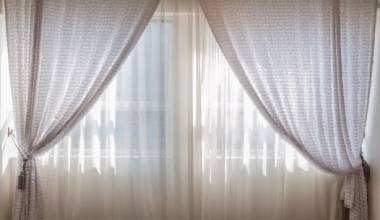
Classrooms, libraries, and auditoriums require varying levels of light control. Blackout curtains are essential for rooms with projector screens or for nap areas in early childhood education. Sheer curtains allow diffused light while maintaining privacy. Consider the room's orientation and time of day when selecting opacity.
Safety and Compliance
Schools must adhere to fire safety regulations. All curtain fabrics should be certified flame-retardant and meet local building codes. Additionally, avoid cords or chains that pose strangulation risks; opt for cordless or motorized systems.
Durability
School curtains endure frequent use and handling. Choose fabrics with high abrasion resistance, colorfastness, and easy cleanability. Velvet and heavy blackout fabrics are durable but may require professional cleaning. Acoustic fabrics are designed to withstand wear while providing sound absorption.
Acoustics
Noise control is crucial in schools. Acoustic curtains can reduce reverberation and echo in gymnasiums, music rooms, and open-plan areas. Thick, dense fabrics with multiple layers are most effective.
Aesthetics
Curtains contribute to the school's identity. Use colors that promote calmness (blues, greens) in classrooms and vibrant hues in creative spaces. Coordination with existing decor is important.
___PROTECTED_2___
Types of Curtain Fabrics for Schools
| Fabric Type | Key Features | Best Use |
|---|---|---|
| Blackout | Blocks 99% of light, thermal insulation | Smart classrooms, nap rooms, auditoriums |
| Sheer | Diffuses light, lightweight, moderate privacy | Lobbies, reading areas, hallways |
| Velvet | Luxurious, heavy, excellent draping, sound absorption | Principal's office, performance stages |
| Acoustic | Multiple layers, high sound absorption coefficient, durable | Music rooms, gymnasiums, open-plan classrooms |
Each fabric type offers distinct advantages. For schools, a combination may be used across different zones.
Practical Tips for Choosing and Installing School Curtains
- Measure accurately: Account for window dimensions, floor-to-ceiling height, and overlap requirements for light blockage.
- Select the right hardware: Use heavy-duty tracks or rods for heavy fabrics. Consider automated systems for larger spaces.
- Prioritize flame retardancy: Request certifications from suppliers. Regular testing ensures ongoing compliance.
- Consider maintenance: Choose fabrics that can be cleaned in-house or have easy removal for professional laundering.
- Control cords safely: Implement cord cleats or motorization to prevent accidents with young children.
Maintenance and Care Tips for School Curtains
Regular maintenance extends curtain life.Vacuum weekly with a brush attachment to remove dust.Spot clean stains immediately with mild detergent.Professional dry clean annually for blackout and velvet curtains. Acoustic curtains may require specialized cleaning to preserve acoustic properties. Inspect fading and wear every six months; replace if needed.
Industry Application Cases
Classrooms
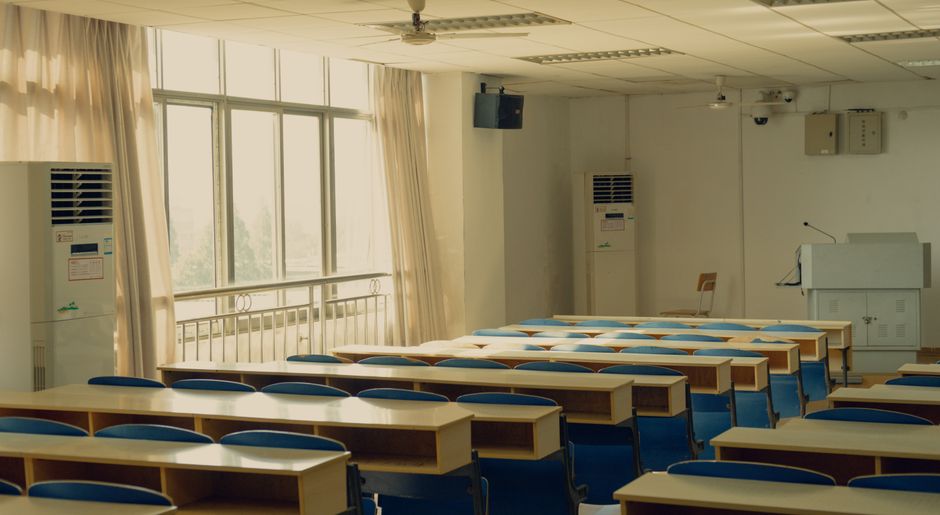
Elementary classrooms benefit from a combination of blackout curtains (for nap times) and sheer overlays. High school science rooms need blackout for lab demonstrations.
Auditoriums and Stages
Velvet curtains create a professional backdrop and absorb sound. Motorized blackout curtains control light during performances.
Libraries
Sheer curtains reduce glare while allowing natural light. Acoustic curtains in reading nooks minimize distractions.
Gymnasiums
Durable acoustic curtains improve sound quality and can be used to partition large spaces.
Conclusion
Selecting the right curtains for schools involves balancing functionality, safety, and aesthetics. By understanding the specific needs of each area and choosing appropriate fabrics like blackout, sheer, velvet, or acoustic curtains, educational facilities can enhance learning environments. For expert advice on curtain solutions, contact our team today.