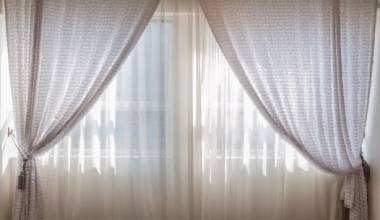
Hospitals require curtains that go beyond aesthetics. They must ensure patient privacy, control light for rest, reduce noise, and meet strict infection control standards. Choosing the right curtains can improve patient outcomes, staff efficiency, and overall facility management. This guide explores the key considerations, fabric types, buying criteria, maintenance, and real-world applications of curtains in healthcare settings.
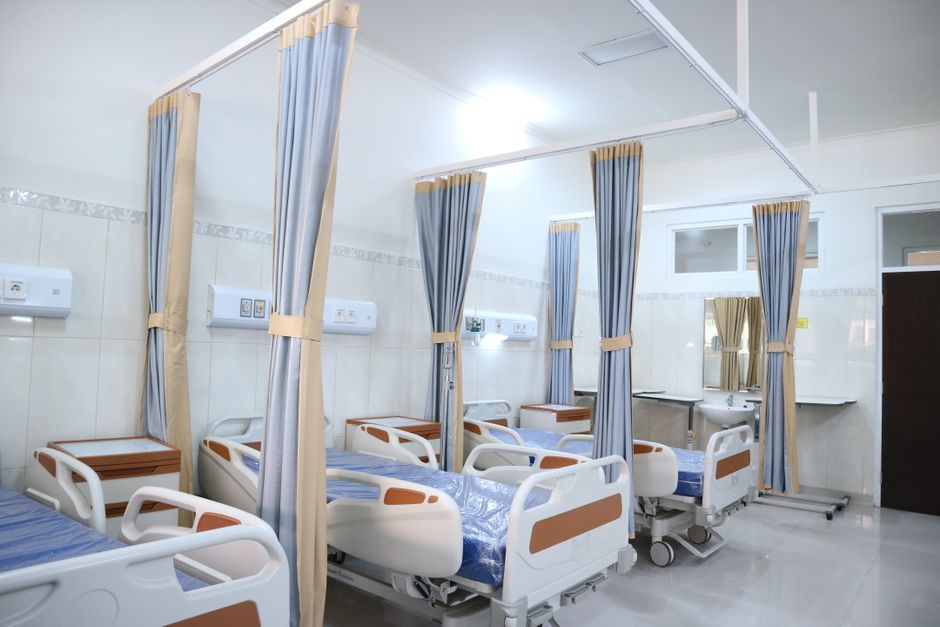
Key Considerations for Hospital Curtains
Before selecting any fabric, understand the specific demands of a hospital environment:
- Infection control: Curtains must be antimicrobial, easy to clean, and resistant to moisture to prevent mold and bacteria growth. Many hospitals require fabrics that pass AATCC 100 or ISO 20743 tests.
- Privacy: Patients need visual privacy. Curtains should be opaque enough to prevent see-through.
- Light control: In patient rooms, blackout curtains help regulate sleep cycles. In operating theaters, total light blockage is essential.
- Acoustic performance: High noise levels in hospitals cause stress. Acoustic curtains reduce sound transmission.
- Flame retardancy: All hospital curtains must meet local fire codes (e.g., NFPA 701 in the US, BS 5867 in the UK).
___PROTECTED_1___
Types of Curtain Fabrics for Hospitals
Blackout Curtains
Blackout curtains block 99% of external light, crucial for patient rooms, ICUs, and sleep studies. They are typically triple-woven or coated with a layer of acrylic foam. Look for fabrics that combine blackout properties with antimicrobial coatings. For example, a polyester blackout fabric with a polyurethane layer offers both light blockage and easy wiping.
Sheer Curtains
Sheer curtains allow natural light while maintaining privacy. They are often used as an outer layer in patient rooms to create a soft, welcoming environment. For hospitals, choose sheers made from inherently antimicrobial fibers like Trevira CS, which also meet flame-retardant standards.
Velvet Curtains
Velvet adds a touch of warmth and luxury, often used in mental health facilities or waiting areas to reduce the institutional feel. However, velvet can trap dust and bacteria unless treated with antimicrobial agents. Opt for velvet with a stain-resistant finish and easy-clean properties.
Acoustic Curtains
Acoustic curtains are designed to absorb sound and reduce echo. They are made from dense, multi-layered fabrics such as fiberglass or mass-loaded vinyl. In hospitals, they are ideal for open-plan wards, MRI rooms (no metal), and corridors. Ensure they still meet fire and infection control standards.
___PROTECTED_2___
Buying Guide: What to Look For
- Flame retardancy: Always verify certifications. NFPA 701 requires vertical flame spread and char length limits. BS 5867 is common in Europe. For UK, also check BS 476 Part 7 Class 1.
- Antimicrobial treatments: Look for built-in silver ion or copper oxide technologies that do not wash off. Some fabrics have a permanent biocidal finish.
- Ease of cleaning: Curtains should be able to withstand frequent washing at high temperatures (e.g., 85°C) without shrinking or losing functionality. Avoid dry-clean-only fabrics.
- Durability: Hospitals are high-traffic areas. Choose fabrics with a high abrasion resistance (Martindale rub count >50,000). Also, ensure the curtain track and hardware are robust.
- Custom sizing: Hospitals often have non-standard window and cubicle sizes. Work with suppliers who offer bespoke lengths and widths.
- Track systems: Curtain tracks should allow easy removal for cleaning. Ceiling-mounted tracks are best for infection control.
Care and Maintenance Tips
- Cleaning schedule: Patient area curtains should be cleaned every 3–6 months, or immediately after contact with blood or bodily fluids. Use a laundry disinfectant suitable for the fabric.
- Washing vs dry cleaning: Most hospital curtains are machine washable. Check the care label. For acoustic curtains, follow manufacturer instructions as some cannot be machine washed.
- Inspection: Regularly check for tears, loose hems, or stains. Replace damaged curtains promptly to maintain infection control.
- Replacement intervals: High-use curtains in ICUs may need replacement every 2–3 years. In lower-use areas, 5–7 years is typical. Always follow hospital policy.
Industry Application Cases
Patient Rooms
Standard patient rooms benefit from a combination: outer sheer curtains for soft natural light and inner blackout curtains for sleep and privacy. Acoustics can be managed with a medium-density fabric. For example, a hospital in Chicago reduced patient complaints by 30% after installing blackout curtains with antimicrobial coatings.
Operating Theaters
In surgical suites, curtains must be non-shedding, sterile, and capable of total blackout during procedures. Acoustic curtains also help reduce noise from ventilation. Many ORs use disposable curtains for infection control.
ICU and NICU
ICUs require easy access and constant monitoring. Curtains here should be antimicrobial, washable at high temperatures, and lightweight to avoid interfering with equipment. In NICU, blackout curtains are used to create day-night cycles for infants, improving development.
Mental Health Facilities
Safety is paramount. Use tear-resistant fabrics, breakaway curtain tracks, and anti-ligature designs. Velvet or soft fabrics can make the environment less harsh, but must be non-flammable and easy to clean.
Conclusion
Selecting the right curtains for hospitals involves balancing multiple requirements: infection control, fire safety, light management, acoustics, and durability. By choosing appropriate fabrics (blackout, sheer, velvet, or acoustic) and following best practices for maintenance, healthcare facilities can create a safer, more comfortable environment. Consult with a specialized healthcare curtain supplier to test samples and request certifications. Upgrade your hospital’s curtains today for better patient outcomes and operational efficiency.