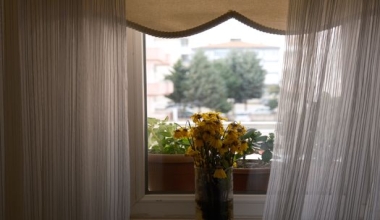
Curtains in schools face a unique set of challenges. They are exposed to constant use, classrooms full of children, and harsh environmental factors like chalk dust, food particles, and fluctuating temperatures. Without proper care, school curtains can quickly become faded, stained, and even harbor allergens or safety risks. This comprehensive guide provides school administrators, facility managers, and maintenance staff with practical, cost-effective strategies to extend the lifespan of their curtain investments while maintaining a healthy, safe, and conducive learning environment.

Why School Curtains Need Special Attention
Unlike residential curtains, school curtains operate in a high-demand environment. They are drawn and opened multiple times daily, subjected to curious hands, and often exposed to direct sunlight for long hours. This constant wear and tear means they accumulate dust, dirt, and grime much faster than home curtains. In addition, schools have a legal obligation to maintain fire safety and hygiene standards. Curtains that are dirty or damaged can become a safety hazard, and dusty curtains can aggravate asthma and allergies in children. Proper care is therefore not just about aesthetics; it is a matter of health, safety, and cost efficiency.
___PROTECTED_1___
Common Challenges with School Curtains
- Heavy Traffic: Many students pass by or touch curtains daily, leading to soiling and wear.
- Stains: Ink, paint, glue, food, and other school-related substances can cause stubborn marks.
- Dust and Allergens: Classrooms accumulate tiny particles that settle on fabric.
- Sun Damage: Prolonged exposure to UV light can fade and weaken fabric, especially on window-facing sides.
- Fire Safety Compliance: Fire-retardant treatments must be maintained; improper washing can strip these properties.
- Budget Constraints: Schools often have limited funds for professional cleaning or replacement, making proactive care essential.
___PROTECTED_2___
Essential Curtain Care Practices for Schools
Implementing a routine care plan can dramatically reduce the need for intensive cleaning and early replacement. Here are the core practices every school should adopt:
- Regular Vacuuming: Use a soft brush attachment to vacuum both sides of the curtain at least once a week. This removes loose dust and dirt before it embeds into fibers.
- Spot Cleaning: Address spills immediately with a clean, white cloth and a mild detergent solution. Blot—never rub—to avoid spreading the stain.
- Avoid Harsh Chemicals: Bleach or abrasive cleaners can damage fabric and affect fire-retardant finishes. Always test a small, hidden area first.
- Handle with Care: Pull curtains gently to avoid tearing at the fabric or damaging the heading tape. Ensure hooks or rings are properly aligned.
- Reduce Sun Exposure: Install UV-filtering window film or use liners for blackout curtains to minimize fading.
- Control Humidity: Keep classrooms well-ventilated to prevent mold and mildew, especially in curtain folds.
Cleaning by Fabric Type
Different curtain fabrics require specific approaches to maintain their function and appearance. Below are care guidelines for the most common types used in schools.
Blackout Curtains
Blackout curtains are essential in media rooms, science labs, and spaces that need light control. To maintain their light-blocking capabilities, follow these tips:
- Vacuum regularly: Use a low-suction vacuum with a brush attachment to remove dust without crushing the coating.
- Spot clean carefully: Use a damp cloth with mild soap, but do not saturate the fabric. Excess moisture can damage the blackout lining.
- Dry cleaning recommended: For thorough cleaning, professional dry cleaning is safest, as it preserves the coating and prevents shrinkage.
- Avoid ironing: High heat can melt or crack the blackout layer. If wrinkles appear, use a steamer at a distance.
Sheer Curtains
Sheer curtains add natural light and privacy in libraries and offices, but they are delicate and prone to tearing. Care includes:
- Gentle hand washing: Fill a basin with cool water and a mild detergent. Soak for 10 minutes, then swish gently. Rinse thoroughly.
- Machine washing with care: If machine washing, place curtains in a lingerie bag and use the delicate cycle with cold water. Use a gentle detergent without bleach.
- Never wring: Remove excess water by rolling in a towel. Hang to dry immediately to avoid deep creases.
- Steam for wrinkles: Use a garment steamer on a low setting while the curtain is hanging to remove wrinkles without stressing the fibers.
Velvet Curtains
Velvet adds a touch of sophistication to auditoriums and administrative offices, but it is one of the most demanding fabrics to care for. To keep it plush:
- Brush regularly: Use a soft-bristle brush to remove dust and restore the nap. Brush in the direction of the pile, usually downward.
- Avoid water and heat: Water can cause shrinkage or watermarks; heat can flatten the pile. Never use a hot iron.
- Professional cleaning: Ideally, velvet curtains should be professionally dry cleaned once a year. Inform the cleaner about the fabric type.
- Steam cautiously: A steamer held several inches away can lift wrinkles, but test on an inconspicuous spot first.
Acoustic Curtains
Acoustic curtains are specially designed to absorb sound and improve acoustics in music rooms, gyms, and open-plan areas. Their care is critical to maintaining performance:
- Vacuum with a soft brush: Weekly vacuuming prevents dust from clogging the micro-perforations or absorbing layers.
- Avoid moisture: Acoustic materials like felt or foam can lose their sound-absorbing properties if wet. Do not submerge or use any liquid cleaners.
- Professional dry cleaning only: If the fabric requires deep cleaning, send it to a professional experienced with acoustic fabrics. Incorrect washing may ruin the acoustic rating.
- Check from time to time: Ensure that the curtains retain their pleats and fullness; compressed fibers reduce sound absorption.
Dealing with Stains and Damage
Inevitably, school curtains will face stubborn stains and physical damage. Having a systematic approach can save money and time.
Common Stains and How to Treat Them
- Ink/Pen: Blot with rubbing alcohol (test first). Use a cotton swab in a circular motion, then rinse with clean water.
- Paint: For water-based paint, act fast. Blot with mild soap and water. For oil-based paint, you may need a solvent, but consult a professional to avoid damaging the fabric.
- Glue: Allow the glue to dry, then gently peel or scrape off. For residue, use a small amount of acetone, but only after testing.
- Food/Dirt: Pre-treat with a stain remover that is safe for the fabric type, then launder as recommended.
Repair or Replace?
Small tears or loose hems can often be repaired in-house if you have basic sewing skills. However, if the damage compromises the fire-retardant property or the curtain no longer functions (e.g., blackout gaps or acoustic holes), replacement is safer. Also, consider the cost of repair vs. new curtains. If a curtain is older than the expected lifespan (5-10 years for commercial fabrics), replacement might be more economical.
Creating a Maintenance Schedule for School Curtains
A predetermined schedule helps ensure no task is overlooked. Below is a suggested maintenance plan that can be adjusted based on your facility’s needs.
| Frequency | Tasks | Responsible Party |
|---|---|---|
| Weekly | Vacuum both sides of curtains; spot clean any small stains. | Custodial Staff |
| Monthly | Inspect headings, hooks, and tracks; remove any objects stuck in fabric; dust curtain rods. | Facilities Assistant |
| Termly (every 3 months) | Deep spot cleaning; check for sun damage; re-tension sheers if necessary. | Maintenance Team |
| Annually | Professional cleaning (for velvet, acoustic, and blackout); test fire retardancy; replace any worn components. | External Contractor + Facilities Manager |
Always document each cleaning and inspection. This helps track the condition of the curtains and proves compliance for audits.
Fire Safety and Compliance Considerations
School curtains must comply with local fire safety regulations. Most commercial fabrics are treated with fire-retardant chemicals, but these can degrade with washing or wear. Key points include:
- Know your standards: Check the fire safety standard that your curtains must meet (e.g., NFPA 701, BS 5867). These standards set limits on flammability.
- Do not wash away protection: Some fire-retardant finishes are not durable to washing. Always follow the care label. If you are unsure, treat washing as a last resort and use professional cleaners who know how to preserve fire-resistant properties.
- Regular checks: Inspect curtains for signs of damage like holes or fraying that could increase fire risk. Also, look for any visible “F” mark or certification label; if it is missing, re-certification may be needed.
- Re-retarding: After several cleanings or if tests show deficiency, your fabric may need to be re-sprayed with a fire-retardant solution. Hire a certified specialist to do this.
Professional Cleaning vs. In-House Care
While daily and weekly maintenance can be done in-house, some jobs are best left to professionals. Here is a comparison to help you decide:
| Option | Pros | Cons |
|---|---|---|
| In-House | Lower cost; immediate attention; no scheduling delays. | Risk of incorrect care; lack of equipment for large or delicate curtains; potential exposure to hazardous cleaning agents. |
| Professional | Expertise with various fabrics; proper extraction and drying; can apply fire-retardant re-treatment; often ensures better fabric preservation. | Higher cost; curtains are out of service; requires coordination and lead time. |
In practice, a hybrid approach works best: routine dusting and spot cleaning in-house, with annual professional cleaning for high-use or delicate curtains. This balance protects your investment and ensures compliance.
Conclusion: A Strategy for Long-Lasting School Curtains
Effective curtain care in schools is not a one-time task but a continuous commitment. By understanding the unique challenges, adopting fabric-specific care routines, following a structured maintenance schedule, and prioritizing fire safety, schools can maximize the lifespan of their curtains, improve indoor air quality, and create a more pleasant environment for students and staff. Remember: a small investment in regular care today can save thousands of dollars in premature replacement tomorrow. Start by implementing the practices outlined in this guide, and your school’s curtains will remain functional, safe, and presentable for years to come.