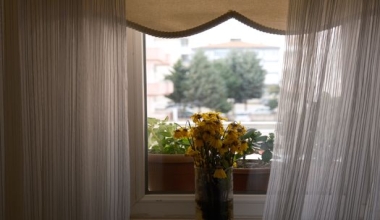
Fire retardant curtains are essential safety features in commercial spaces, hospitality venues, healthcare facilities, and even residential homes that prioritize fire safety. However, their protective properties are not permanent. Regular maintenance is critical to ensure they continue to meet fire safety standards and to extend their lifespan. This comprehensive guide will walk you through every aspect of fire retardant curtain maintenance, from cleaning and drying to re-treatment and industry-specific best practices.

The Importance of Fire Retardant Curtain Maintenance
Fire retardant curtains are designed to resist ignition, slow flame spread, and reduce heat release. But these qualities can deteriorate over time due to dust, dirt, grease, and improper cleaning. Regular maintenance does more than keep them looking good—it ensures compliance with fire safety regulations, protects building occupants, and avoids costly replacements. In many jurisdictions, failing to maintain fire retardant treatments can void warranties or lead to legal liabilities. Proper maintenance also preserves the aesthetic qualities of the fabric, whether it's blackout, sheer, velvet, or acoustic.
___PROTECTED_1___
Understanding Fire Retardant Treatments
There are two primary types of fire retardant treatments: inherent and applied. Inherently flame-resistant fibers (like modacrylic or certain polyester blends) have flame resistance built into the polymer structure, which lasts the life of the fabric. Applied treatments, on the other hand, are chemicals bonded to the surface. These can wash out or degrade over time. Most fire retardant curtains in industrial and commercial settings use either durable (wash-resistant) or non-durable finishes. Read the manufacturer's label carefully—washing instructions are directly tied to the type of treatment used.
Lifespan of Fire Retardancy
Even durable finishes gradually lose effectiveness after repeated cleaning. A typical durable treatment may withstand 30–50 wash cycles before requiring re-treatment. Non-durable finishes might need re-treatment after every wash or two. To determine if your curtains still meet standards, professional testing or a simple flame test (performed by qualified personnel) is recommended annually.
___PROTECTED_2___
General Maintenance Guidelines
Develop a routine that minimizes dirt accumulation and avoids damaging the fire retardant properties:
- Vacuum curtains gently every 2–4 weeks using a brush attachment to remove surface dust.
- Promptly address spills and stains to prevent them from setting in.
- Avoid using harsh chemicals, bleach, or fabric softeners, which can degrade fire retardant chemicals.
- Keep curtains away from direct heat sources, which can cause premature aging.
- Follow a regular cleaning schedule based on traffic and environmental conditions.
Cleaning Fire Retardant Fabrics: The Right Way
Cleaning methods vary by fabric type and the nature of the fire retardant finish. Always check the care label first. Here's a breakdown of options:
Machine Washing
If machine washing is allowed, use a front-loading machine to avoid the agitation of a top-loader with a center post. Wash in warm water (max 40°C/104°F) with a mild, liquid detergent free of chlorine bleach and fabric softeners. Use the gentle or delicate cycle. Do not overfill the machine; give curtains room to move. For heavily soiled curtains, a pre-soak in lukewarm water can help, but avoid soaking for more than 30 minutes to protect the treatment.
Hand Washing
For delicate fabrics like sheer or velvet, hand washing is often safer. Fill a large basin or clean bathtub with lukewarm water and a gentle detergent. Submerge the curtains and gently agitate by hand, then rinse thoroughly with clean water. Avoid wringing or twisting; press out water by rolling in a clean towel.
Dry Cleaning
Some fire retardant fabrics, especially those with complex pleats or linings, require professional dry cleaning. Inform the dry cleaner that the curtains are fire retardant so they use appropriate solvents and processes. Dry cleaning can be less harsh than washing, but it does not remove the need for periodic re-treatment—it simply slows the chemical depletion.
Drying and Ironing Do's and Don'ts
Drying methods significantly affect fire retardant properties:
- Air drying is the safest option. Hang curtains on a sturdy rod away from direct sunlight to prevent UV damage.
- If using a dryer, set it to no-heat or air-fluff. Heat can break down fire retardant chemicals and shrink fabrics.
- Never dry clean or tumble dry with heat if the label warns against it.
- Ironing should be done on the reverse side at a low temperature (synthetic setting). Do not iron directly on the fire retardant surface, especially if there is a coating.
- Steam finishing is preferred—use a handheld steamer to remove wrinkles without touching the fabric heavily.
Spot Cleaning and Stain Removal
Address stains immediately to avoid permanent damage. Use a clean, white cloth to blot (never rub) the stain. Mild soap and water are usually sufficient. For stubborn stains, a solution of white vinegar and water (1:3 ratio) can be tested on an inconspicuous area first. Avoid solvent-based cleaners or acetone, which can strip fire retardant finishes. After spot cleaning, allow the area to dry completely and check if the fabric's water repellency (if any) has been compromised. Re-treatment may be necessary if the spot cleaned area appears stiff or changed.
Re-Treating Fire Retardant Curtains
When washing no longer restores the fabric's flame resistance, it's time to re-treat. This involves applying a fire retardant spray or dip according to the manufacturer's instructions. There are two main methods:
- Spray application: Ideal for installed curtains. Spray evenly from a distance of 15–20 cm, ensuring complete saturation without soaking.
- Dip treatment: Better for removable curtains. Immerse them in a diluted fire retardant solution, then gently squeeze and air dry.
Always test a small area first. Professional re-treatment services are available for large commercial installations and often include certification of compliance.
Fabric-Specific Care Recommendations
Different curtain types require tailored care:
Blackout Curtains
These often have multiple layers or a foam coating. Avoid machine washing excessively; vacuuming and spot cleaning are preferable. If washing is needed, use cold water and mild detergent, then air dry. Heat can damage the blackout layer, making it crack or delaminate.
Sheer Curtains
Sheers are delicate. Hand wash gently or use a mesh laundry bag on a delicate cycle with cold water. Do not wring—hang immediately to avoid creases. Use a low-heat iron if necessary, or better, hang them wet and let gravity smooth them.
Velvet Curtains
Velvet is luxurious but challenging. Vacuum with a soft brush to remove dust. For stains, use a professional cleaning service specialized in velvet. Steam cleaning is effective for refreshing the pile, but avoid water saturation. Never immerse velvet in water unless the label explicitly states it's washable.
Acoustic Curtains
Acoustic curtains are thick and often heavy, with sound-absorbing properties. They should be cleaned less frequently to preserve the dense weave. Vacuum both sides regularly. If washing, use a commercial-size washer with a gentle cycle. Because acoustic curtains are often large, professional cleaning may be more practical.
Industry-Specific Maintenance Practices
Fire retardant curtains are used across various industries, and each has unique demands:
| Industry | Recommended Cleaning Frequency | Key Considerations |
|---|---|---|
| Healthcare | Every 3–6 months | Hygiene standards demand frequent cleaning. Use disinfectants that are compatible with fire retardant finishes. Regular re-treatment required. |
| Hospitality | Quarterly or seasonally | High turnover and food stains require prompt attention. Professional dry cleaning + re-treatment yearly. |
| Education | At least twice a year | Wear and tear from children. Heavy-duty cleaning and periodic re-treatment essential. |
| Theatre/Auditoriums | Annually | Dust accumulation is high. Use vacuuming with HEPA filters and inspect for damage before events. |
Creating a Maintenance Schedule
Implementing a documented maintenance schedule ensures no curtain is overlooked. For each set of curtains, record:
- Date of installation
- Type of fabric and fire retardant treatment
- Cleaning history (dates and methods)
- Last fire retardant inspection/re-treatment date
- Any repairs or notes
A simple tracker can be managed with a spreadsheet or a maintenance logbook. Annual professional inspection is highly recommended to validate fire resistance.
Common Mistakes to Avoid
Avoid these pitfalls to keep your curtains both beautiful and compliant:
- Using chlorine bleach or ammonia-based cleaners.
- Over-washing beyond the recommended frequency.
- Drying curtains in direct sunlight for extended periods.
- Ironing with high heat, which can melt or scorch synthetic fibers.
- Ignoring the care label, especially regarding professional cleaning.
- Patching with non-fire-retardant fabric or thread.
- Skipping re-treatment after heavy washing or when water beading disappears.
Final Thoughts: Safety First, Aesthetics Second
Fire retardant curtain maintenance is not just a chore—it's a crucial safety practice. By following the guidelines in this article, you'll ensure your curtains remain effective, look professional, and last for years. Remember that when in doubt, consult the manufacturer or a professional fire safety specialist. Regular care, proper cleaning, and timely re-treatment are the keys to maintaining the integrity of your fire retardant curtains.