Running a restaurant demands attention to detail in every corner—from the kitchen's hygiene to the dining room's atmosphere. Curtains play a vital role in creating a welcoming ambiance, controlling light, and even enhancing acoustics. However, they are also prime targets for grease, food splatters, dust, and odors. Proper curtain care is not just about aesthetics; it's essential for maintaining a clean, safe, and inviting dining space. This comprehensive guide will walk you through every aspect of curtain care for restaurants, ensuring your investments look great and last long.
Why Restaurant Curtain Care Matters
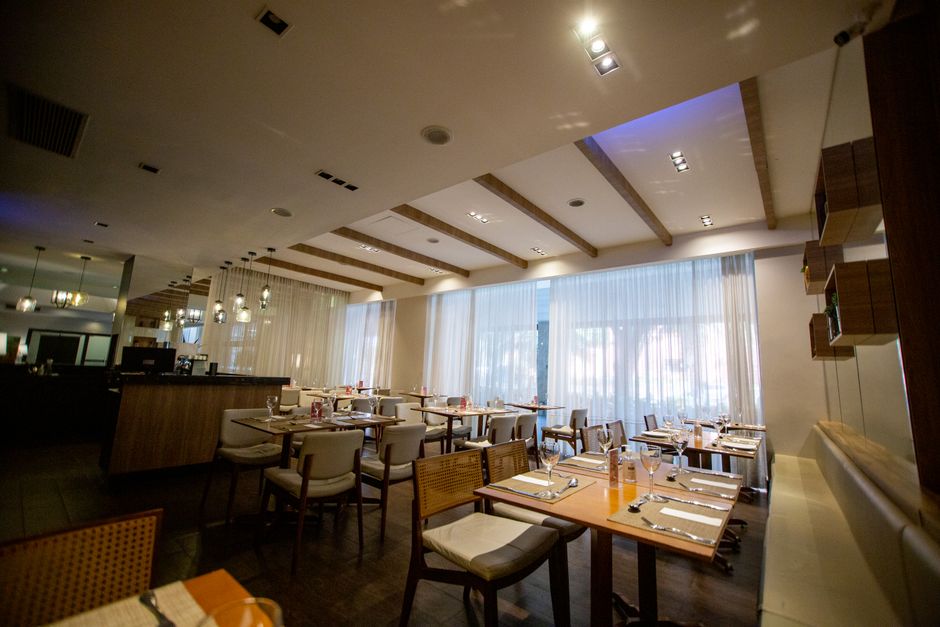
In a restaurant, curtains are exposed to a unique set of challenges. Cooking fumes carry grease that settles onto fabric, diners may accidentally spill drinks or food, and high traffic means more dust and dirt tracked in. Neglecting curtain care can lead to a dull, stained appearance that instantly lowers the perceived quality of your establishment. Moreover, fabric curtains can harbor bacteria, allergens, and unpleasant odors, which is both a health hazard and a turn-off for guests. Regular and correct maintenance not only preserves the curtain's look and functionality (like blackout or acoustic performance) but also contributes to a hygienic environment that complies with health and safety standards.
___PROTECTED_1___
Understanding Fabric Types in Restaurant Curtains
Different curtain fabrics require different care approaches. Using the wrong cleaning method can permanently damage the material, leading to costly replacements. The four most common types in restaurants are:
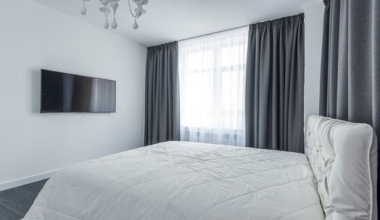
- Blackout Curtains: These have a special coating (often acrylic or foam) that blocks light. The coating is sensitive to heat and harsh chemicals.
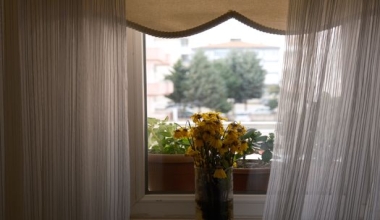
- Sheer Curtains: Delicate, lightweight, and often made of polyester, cotton, or linen blends. They require gentle handling.
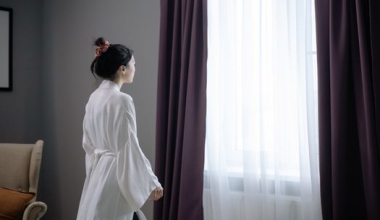
- Velvet Curtains: Luxurious and heavy, typically made from cotton, silk, or synthetic blends. They are prone to crushing and require special care.
- Acoustic Curtains: These are dense, pleated, and designed to absorb sound. They are often made of heavy fabrics like velvet or multiple layers, and their acoustic properties can be compromised by improper cleaning.
___PROTECTED_2___
General Curtain Care Guidelines for Restaurants
Regular Maintenance Routine
In a busy restaurant, curtains should be included in the daily or weekly cleaning checklist. Here are some basic steps:
- Dust Weekly: Use a soft brush attachment on a vacuum cleaner or a microfiber duster to remove surface dust. Work from top to bottom to prevent dust from settling back.
- Vacuum Bi-Weekly: For deeper cleaning, vacuum both sides of the curtain, especially the pleats and hem where dirt accumulates.
- Check for Spots: Inspect curtains after each shift for visible stains or marks. Address them immediately—the longer a stain sits, the harder it is to remove.
- Ventilate: Air out curtains regularly by opening windows or using exhaust fans to reduce trapped odors and moisture.
Professional Cleaning Frequency
Even with regular dusting, curtains in a restaurant environment should be professionally deep-cleaned at least every 3 to 6 months. High-volume establishments may need more frequent cleaning. Professional cleaners have the equipment and expertise to handle delicate and heavily soiled fabrics without causing damage.
Step-by-Step Washing and Drying Instructions
Before washing any curtain, always check the manufacturer's care label. Some curtains are dry-clean only, while others are machine washable. Here is a general guide for washable curtains:
- Remove Hardware: Take down the curtains and remove hooks, rings, or weights.
- Shake Off Dust: Take them outside and give them a good shake to remove loose dust and dirt.
- Pre-treat Stains: Apply a gentle stain remover to spots and let it sit for 10–15 minutes.
- Machine Wash: Use cold water and a mild detergent. Choose the gentle or delicate cycle. For sheer or lightweight fabrics, place them in a mesh laundry bag to prevent snagging.
- Hand Washing: For extremely delicate curtains, fill a bathtub with cold water and a mild detergent. Gently agitate the fabric, then rinse thoroughly.
- Drying: Air drying is always safest. Hang the curtains back on the rod while still slightly damp to allow them to stretch back into shape. Avoid using a tumble dryer unless the label states it is safe, and then use low heat only.
- Ironing/Steaming: If needed, use a steamer to remove wrinkles. Avoid ironing directly on blackout coatings or velvet, as heat can damage them. Iron sheers on a low setting with a pressing cloth.
Stain Removal Strategies for Common Restaurant Stains
In a restaurant, curtains are exposed to a variety of stains. Here’s how to treat the most common ones:
| Stain Type | Treatment |
|---|---|
| Grease & Cooking Oil | Blot with a paper towel, then sprinkle with cornstarch or baking soda. Let it sit for 15 minutes, then brush off. Apply a degreasing dish soap and gently rub. Rinse with cold water. |
| Wine or Fruit Juice | Blot the stain with a clean cloth. Mix equal parts white vinegar and water, apply to the stain, and blot. Rinse thoroughly. |
| Tomato Sauce | Scrape off excess sauce. Apply cold water and a little dish soap. Launder as usual. |
| Smoke Residue | Fill a spray bottle with equal parts water and white vinegar. Lightly mist the curtain and allow it to air dry. This helps neutralize odors. |
| Ink or Pen Marks | Use rubbing alcohol on a cotton ball to dab the mark, then blot with a clean cloth. |
Always test any cleaning solution on a small, hidden area first to ensure it doesn’t affect the color or finish.
Maintaining Blackout Curtains
Blackout curtains are a popular choice in restaurants for private dining rooms or to block out harsh sunlight. However, their light-blocking coating requires special care:
- Avoid Ironing: The heat from an iron can melt or crack the coating. Use a handheld steamer on a low setting, keeping the nozzle at least 6 inches away.
- No Harsh Chemicals: Bleach, chlorine, and strong detergents can degrade the coating. Stick to mild cleaners.
- Spot Clean Only: For general cleaning, spot clean with a soft, damp cloth and a gentle soap solution. Do not rub aggressively.
- Professional Cleaning: For a full clean, always opt for professional dry cleaning or a specialized fabric cleaner who knows how to treat coated fabrics.
- Dust Regularly: Use a vacuum with a brush head to keep dust from embedding into the coating.
Caring for Sheer Curtains
Sheer curtains add an elegant, airy feel to a restaurant, but they are prone to snags and yellowing. To keep them looking pristine:
- Gentle Washing: Always hand wash or use the delicate cycle with cold water. Place them in a mesh bag to protect them from snagging on other items.
- Mild Detergent: Use a gentle, bleach-free detergent. Harsh chemicals can weaken the fibers and cause discoloration.
- Avoid Wringing: Never wring out sheer fabric. Instead, press out excess water with a clean towel.
- Air Dry: Hang sheer curtains to dry. If they are wrinkled, use a cool iron with a pressing cloth or a steamer.
- Protect from Sun: Prolonged direct sunlight can weaken and fade sheers. Consider using a liner or UV-protective window film.
Velvet Curtain Maintenance
Velvet brings opulence and sound absorption to a restaurant, but it demands a little extra TLC:
- Brush Often: Use a soft-bristled brush (like a clothes brush) to keep the pile upright and remove dust. Brush in one direction to avoid crushing the velvet.
- Steam, Don’t Iron: Steam is excellent for removing wrinkles and reviving the pile. Hold a handheld steamer slightly above the fabric and move in sweeping motions.
- Dry Clean Only: Most velvet curtains—especially those with a silk or viscose base—should be dry cleaned. Water can cause shrinkage or watermarks.
- Spot Cleaning: If a spill occurs, blot immediately with a dry, clean cloth. Avoid using water unless absolutely necessary, and always test a hidden area first.
- Mind the Weight: Velvet is heavy; ensure your curtain rods and hardware can support the weight without sagging.
Acoustic Curtain Care and Longevity
Acoustic curtains are increasingly used in restaurants to reduce noise echo and create intimate dining areas. These curtains are often made of dense, multi-layered fabrics that need careful handling to preserve their sound-absorbing properties:
- Vacuum Regularly: Use a vacuum with a soft brush head to remove dust from both sides of the fabric. Dust can clog the acoustic fibers and reduce their effectiveness.
- Avoid Over-Wetting: Excessive moisture can compress the acoustic padding or cause mold. Use minimal water when spot cleaning.
- Professional Cleaning: For deep cleaning, always use a professional service experienced in acoustic fabrics. Steam cleaning is often preferred over washing.
- Check for Sagging: The weight of acoustic curtains can cause them to stretch or sag over time. Inspect the headings and re-hang as needed.
- Allow to Breathe: Periodically open the curtains fully and let air circulate to prevent moisture buildup, especially in humid restaurant environments.
Extending the Life of Restaurant Curtains
Rotate Curtains
If your restaurant has multiple sets of curtains for the same windows, rotate them every few months. This allows each set to rest and reduces wear from constant exposure to light and air.
Use Liners
Consider adding liners to curtains, especially for heavier fabrics like velvet or acoustic types. Liners protect the main fabric from sunlight and dust, and they are easier to remove and wash regularly.
Proper Hanging Hardware
Invest in sturdy, rust-resistant curtain rods and rings. This prevents tearing at the top and ensures the curtains hang evenly. Use drapery weights if the fabric is prone to bowing.
Keep a Cleaning Log
Track when each set of curtains was last professionally cleaned. This helps you stay on schedule and identify any problem areas that need extra attention.
When to Replace vs. Repair
Even with impeccable care, restaurant curtains will eventually need to be replaced. Look for these signs:
- Persistent Stains: If stains cannot be removed after several professional cleanings, replacement is more cost-effective.
- Fading: Sun damage that has significantly faded the color—especially if it is uneven—may be unfixable.
- Structural Damage: Rips, tears, or holes that are beyond simple mending.
- Loss of Function: For blackout curtains, if the coating starts to crack or peel, the curtain no longer blocks light effectively. For acoustic curtains, if the fabric has become thin or matted, sound absorption is compromised.
But don’t be too quick to discard. Simple repairs like re-hemming, replacing torn grommets, or mending small tears can extend the life of your curtains and save money. A good seamstress or upholsterer can often perform these repairs.
Frequently Asked Questions (FAQ)
Can I wash restaurant curtains myself?
Some curtains can be machine washed at home, but always check the care label. Large, heavy curtains or those with special coatings are best left to professionals to avoid damage.
How often should I clean restaurant curtains?
Daily dusting is recommended, with a vacuuming session weekly. Professional deep cleaning should be done every 3–6 months, depending on the cooking output and ambient conditions.
What is the best way to remove grease stains from curtains?
Blot the stain with a paper towel to absorb excess grease, then apply a small amount of dish soap mixed with warm water. Gently blot, rinse, and let air dry. For stubborn stains, consult a professional.
Can I steam acoustical curtains?
Yes, steaming is generally safe for acoustic curtains, as long as you don’t soak the fabric. Use a handheld steamer on a low setting and keep the nozzle moving to avoid moisture accumulation.
Proper curtain care in a restaurant is a non-negotiable part of maintaining a clean, attractive, and functional dining space. By understanding the specific needs of your curtain fabrics and establishing a regular maintenance routine, you can significantly extend their lifespan and keep your restaurant looking its best. Remember, a clean curtain is not just a visual asset—it's an investment in your establishment's reputation and the comfort of your guests.