Why Hospital Curtain Care Demands a Higher Standard
Hospital curtains are not just decorative partitions. They are critical components of infection control, patient privacy, and the overall healing environment. Unlike residential drapes, these fabrics are exposed to constant use, frequent laundering, and stringent hygiene regulations. Proper curtain care for hospitals reduces cross-contamination, extends fabric lifespan, and ensures compliance with healthcare standards. In this guide, we explore every step and best practice for maintaining blackout, sheer, velvet, and acoustic curtains in medical settings.
___PROTECTED_1___
Understanding Hospital Curtain Fabrics and Their Unique Needs
Different hospital zones require different curtain fabrics. Each material has specific care requirements that directly affect durability and hygiene. Let’s break down the most common types:
Blackout Curtains for Patient Rooms and Sleep Units
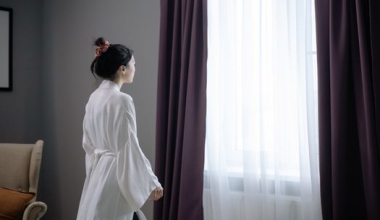
Blackout fabrics block external light, supporting patients’ circadian rhythms and improving rest. They are often thicker and may have multiple layers or coatings. When laundering blackout curtains, avoid fabric softeners, as they can break down the light-blocking backing. Use mild detergents and low-heat drying cycles. High heat can cause the acrylic coating to crack or peel, permanently reducing its effectiveness.
Sheer Curtains for Daylight Areas and Waiting Rooms
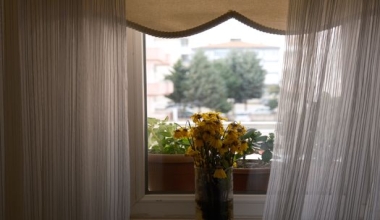
Sheer curtains provide natural light while maintaining a degree of privacy. They are generally lightweight and more delicate. Because they collect dust easily, they require gentle machine washing in mesh bags. Never wring or twist sheers. Instead, hang them to dry on a padded hanger to avoid creases. If using a dryer, use the 'air fluff' setting with no heat.
Velvet Curtains for Executive Suites and Sound Dampening
Velvet curtains add a sense of warmth and quiet to administrative areas and private suites. Their plush pile traps dust, dander, and airborne particles, making regular vacuuming essential. For washing, velvet should ideally be dry-cleaned to prevent crushing the pile. If machine washing is unavoidable, use a gentle cycle with cold water and tumble dry on low with dryer balls. After drying, hang immediately and gently brush the fabric with a lint roller to restore its soft texture.
Acoustic Curtains for Noisy Areas and Open Wards
Acoustic curtains are engineered to absorb sound, improving speech privacy and reducing noise stress. They are often heavy and multilayered, with a dense core. These fabrics should be vacuumed weekly with a brush attachment to prevent dust buildup in the sound-absorbing layers. Acoustic curtains generally tolerate industrial washing, but must never be dry-cleaned, as solvents can damage the acoustic backing. Always follow the manufacturer’s wash-temperature limits, usually 60°C for infection control, but verify the fabric’s heat tolerance first.
___PROTECTED_2___
Infection Control: The Core of Hospital Curtain Care
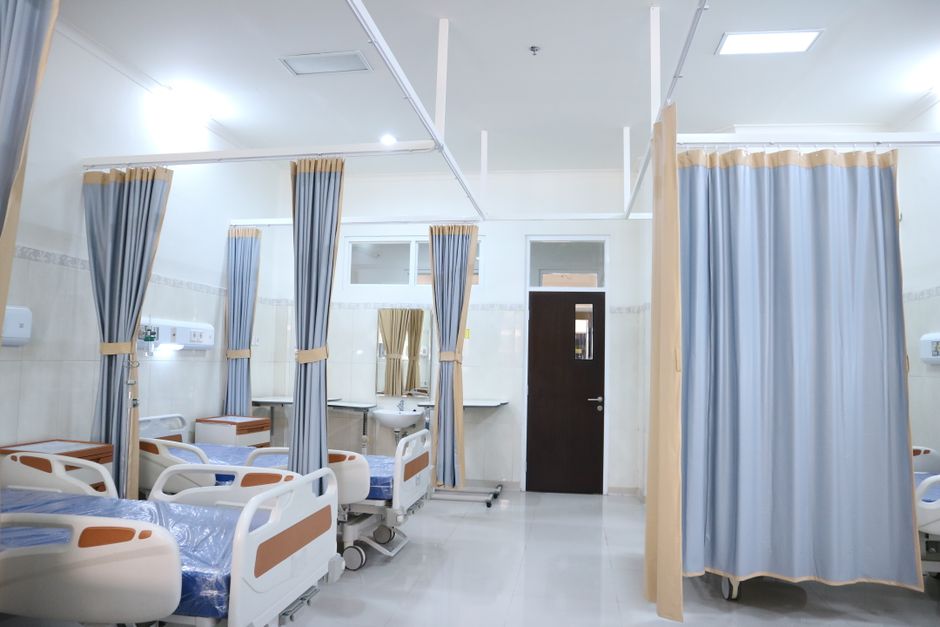
Hospital curtains are high-touch surfaces that are often overlooked during routine cleaning. Studies show that curtains can become contaminated within 24 hours of installation. To minimize risk, hospitals should implement a clear laundering schedule and use antimicrobial fabric treatments where possible. Here are key infection control practices:
- Frequency: Curtains in patient areas should be changed at least every 3 months, or more often if visibly soiled, exposed to communicable diseases, or after patient discharge.
- Color Coding: Use color-coded curtain clips or bands to indicate installation dates, making it easy for housekeeping staff to know when a curtain is due for replacement.
- Touch-Free Tracking: Implement a digital barcode or RFID system to track each curtain’s wash cycle and location, ensuring high-risk zones receive priority.
- Isolation Precautions: Curtains in isolation rooms should be changed after the patient is discharged and before the next patient is admitted. Use disposable curtains as an alternative in these high-risk areas.
Professional Laundry Protocols for Healthcare Textiles
In-house hospital laundries must follow strict protocols to ensure all microbial life is eliminated. Hospital curtains should be laundered separately from patient clothing and bed linens to avoid cross-contamination. The following steps outline a robust professional washing cycle:
Pre-Washing: Inspection and Stain Treatment
Inspect each curtain for rips, missing grommets, or heavily soiled spots. Pre-treat stains with a hospital-grade enzymatic cleaner. Always remove any non-washable accessories, such as hook clips or metal rings, to protect both the fabric and the washing machine.
Washing Temperature and Detergent
For most hospital curtain fabrics, a wash temperature of 60°C to 70°C is sufficient to kill bacteria and viruses. Use a high-quality low-foaming detergent with a neutral pH. Bleach is only recommended for white cotton curtains and should be avoided on colored or coated fabrics. Add a disinfectant that is compatible with the fabric type, following the manufacturer’s concentration instructions.
Drying and Finishing
Tumble dry on medium heat for most synthetic blends; keep heat low for blackout and velvet fabrics. Remove curtains from the dryer while slightly damp to avoid deep wrinkles. Hang them immediately on the correct curtain track or bar. For sheer curtains, air drying is always safer. Ironing is typically not needed if you use a steam finishing process, which also helps to refresh the fabric and reduce static.
Everyday Maintenance and Spot Cleaning
Routine maintenance extends the life of hospital curtains and reduces the frequency of full laundering. Housekeeping staff should incorporate the following tasks into their daily schedules:
- Daily vacuuming: Use a low-suction vacuum with a brush attachment to remove dust, hair, and debris from the fabric surface and folds.
- Immediate spot cleaning: For spills or splashes, blot (do not rub) the area with a clean, damp microfiber cloth and a mild detergent solution. Rinse with a separate cloth, then press dry.
- Check hardware: Ensure curtain tracks and carriers are clean and lubricated. Dirty tracks can transfer grease to the fabric, and damaged carriers can tear curtains.
- Monitor for damage: Look for frayed edges, pulled threads, or broken loops. Small repairs made early can save the cost of full replacement.
Damage Prevention: How to Avoid Common Curtain Failures
In a busy hospital, curtains get yanked, caught in wheelchairs, and pulled by equipment. To prevent premature failure, consider these practical strategies:
Use Proper Curtain Carriers
The correct gliders, hooks, or rings are essential. For heavy fabrics like velvet and acoustic, use carriers rated for at least twice the curtain’s weight. Avoid plastic carriers that can crack under constant weight. Metal or nylon ball-bearing carriers offer smoother movement and less stress on the fabric.
Install Curtain Guards
In patient rooms, install a clear plastic guard between the curtain and the bed rail or IV stand. This prevents curtains from being caught in equipment and reduces the chance of tearing.
Train Staff on Proper Handling
Nurses and housekeeping staff should be trained to open and close curtains with two hands, grasping the fabric evenly rather than pulling on a single edge. This simple habit reduces fabric strain and keeps the curtain aligned on the track.
Replacement Intervals and End-of-Life Assessment
No hospital curtain lasts forever. Even with meticulous care, the fabric’s integrity will degrade. Here’s a practical guide for evaluating when a curtain should be retired:
| Sign of Wear | Recommended Action |
|---|---|
| Visible stains that cannot be removed | Replace immediately to maintain a hygienic appearance and prevent odor. |
| Frayed edges or torn fabric | If the tear is small (under 2 inches), repair with a patch. Otherwise, replace. |
| Loss of flame-retardant properties | Check the label. If the fabric has been laundered more than 50 times, it may no longer meet safety standards. Replace. |
| Blackout coating peeling or cracking | Immediate replacement, as the fabric becomes a dust collector and loses its function. |
| Sound absorption reduced | If acoustic panels have collapsed or thinned, replace to maintain acoustic performance. |
It is also wise to replace curtains after any known outbreak of a highly contagious disease, even if they appear clean, to guarantee elimination of pathogens.
Regulations and Compliance for Hospital Curtains
Healthcare facilities must adhere to local and national regulations regarding flame retardancy, infection control, and waste disposal. In the United States, hospital curtains must meet NFPA 701, while in Europe, EN 13773 applies. During laundering, always verify that the fabric’s flame-retardant finish remains intact. The washing process and detergent chemistry should be validated by the textile manufacturer. If you use an external laundry service, ensure they are certified for healthcare textiles (e.g., through the Healthcare Laundry Accreditation Council).
Choosing a Curtain Care Service Provider
When outsourcing curtain care, select a provider with specific experience in healthcare. Ask about their wash formulas, temperature monitoring systems, and how they prevent mix-ups between different fabrics. Request a certificate of analysis after each batch, and maintain a log of all laundering cycles. A reliable provider will also help you track the number of washes per curtain so you can schedule replacements proactively.
Conclusion: A Clean Curtain Is a Healing Asset
Effective curtain care in hospitals is a multidimensional responsibility that combines infection control, fabric science, and facility management. By understanding the unique needs of blackout, sheer, velvet, and acoustic curtains, and by implementing professional laundry protocols, hospitals can create a safer, more comfortable environment for patients, staff, and visitors. Regular maintenance and timely replacement are not optional extras; they are essential pillars of modern healthcare operations. Use this guide as your standard reference, and always consult textile manufacturers when in doubt about specific care instructions.